



Fruit Trees For Edible Landscaping
Explore fruit trees for edible landscaping to bring homegrown fruit into your yard or garden. When comparing options, consider mature size, sunlight requirements, local growing conditions, and whether a tree needs a pollination partner to help you choose the right fit for your space.
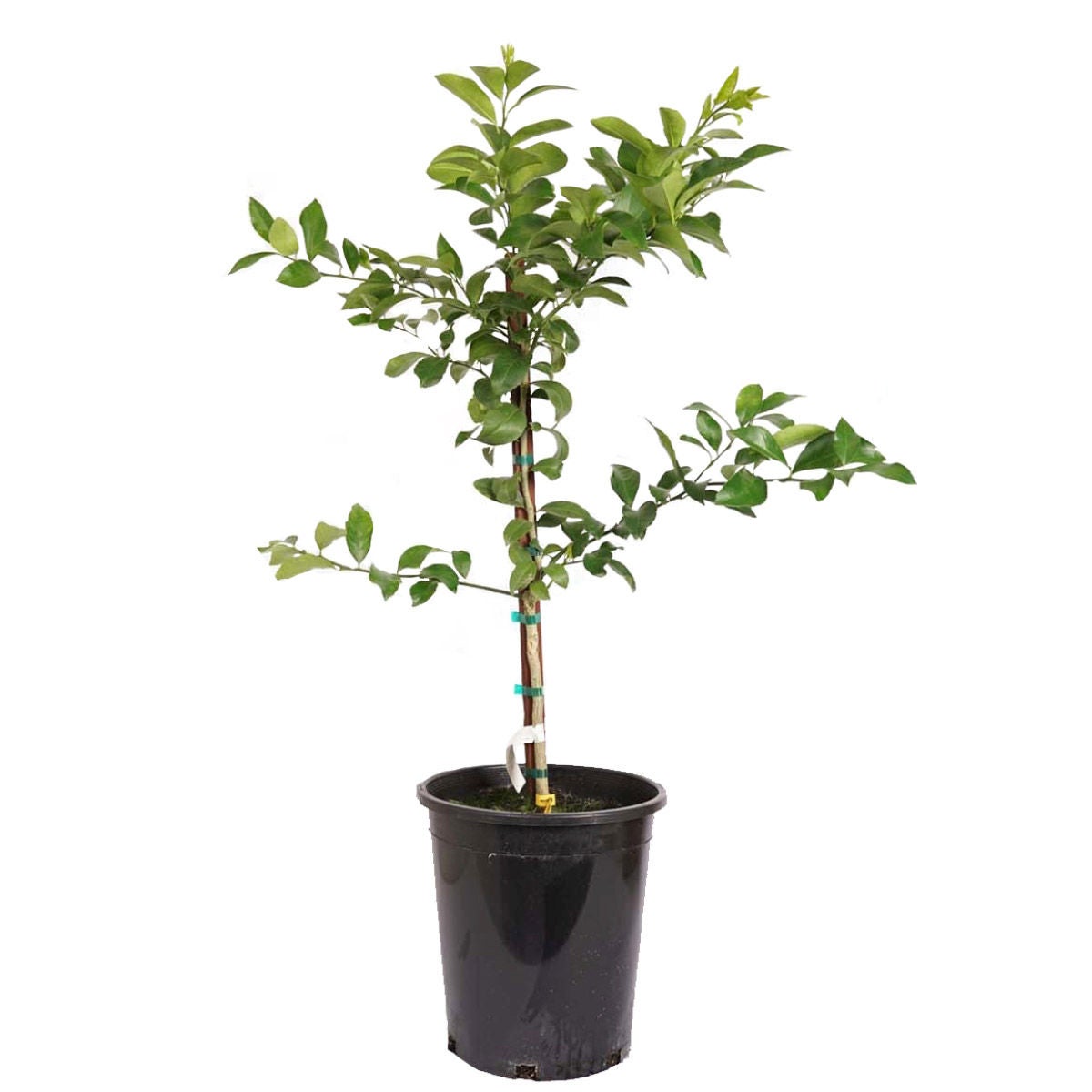
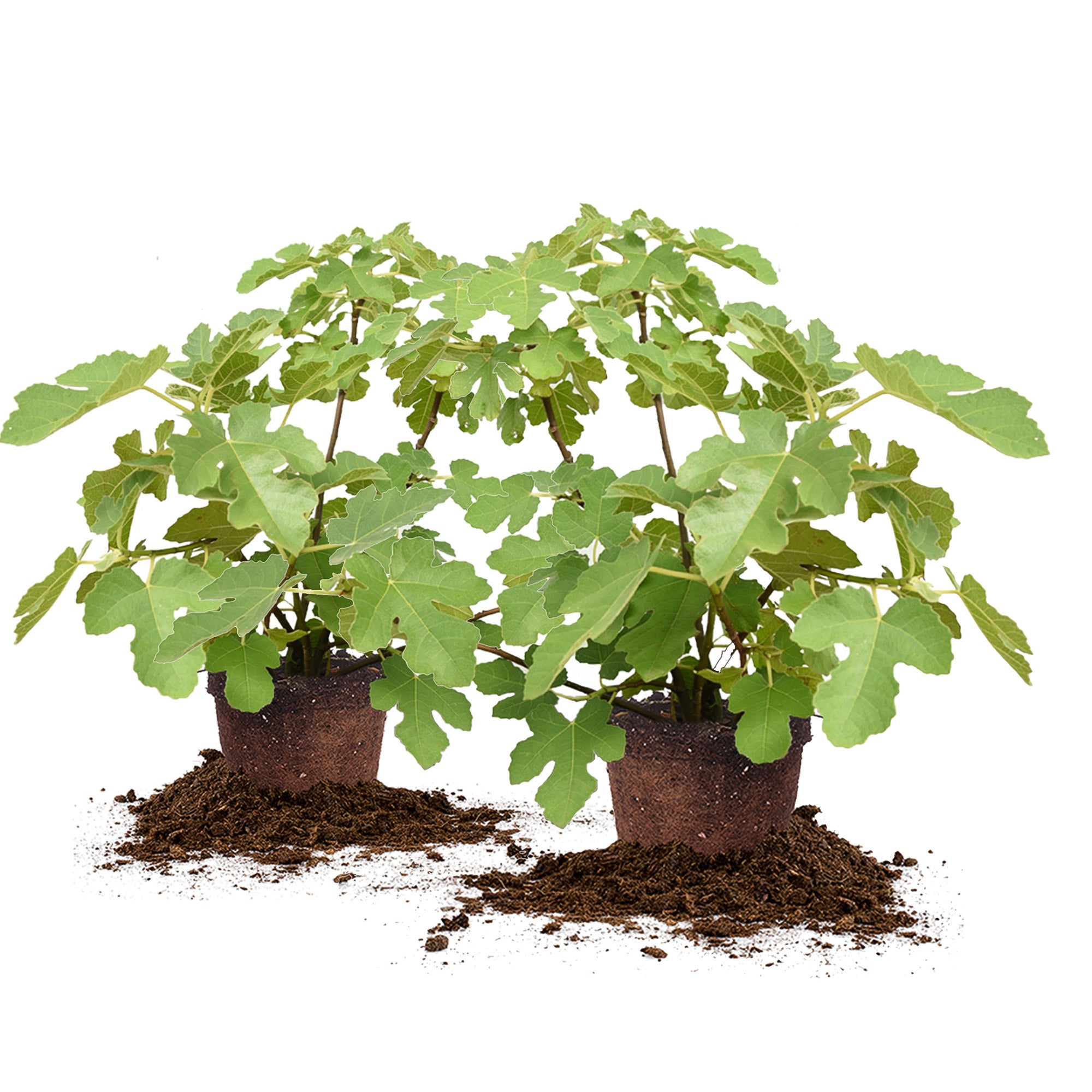
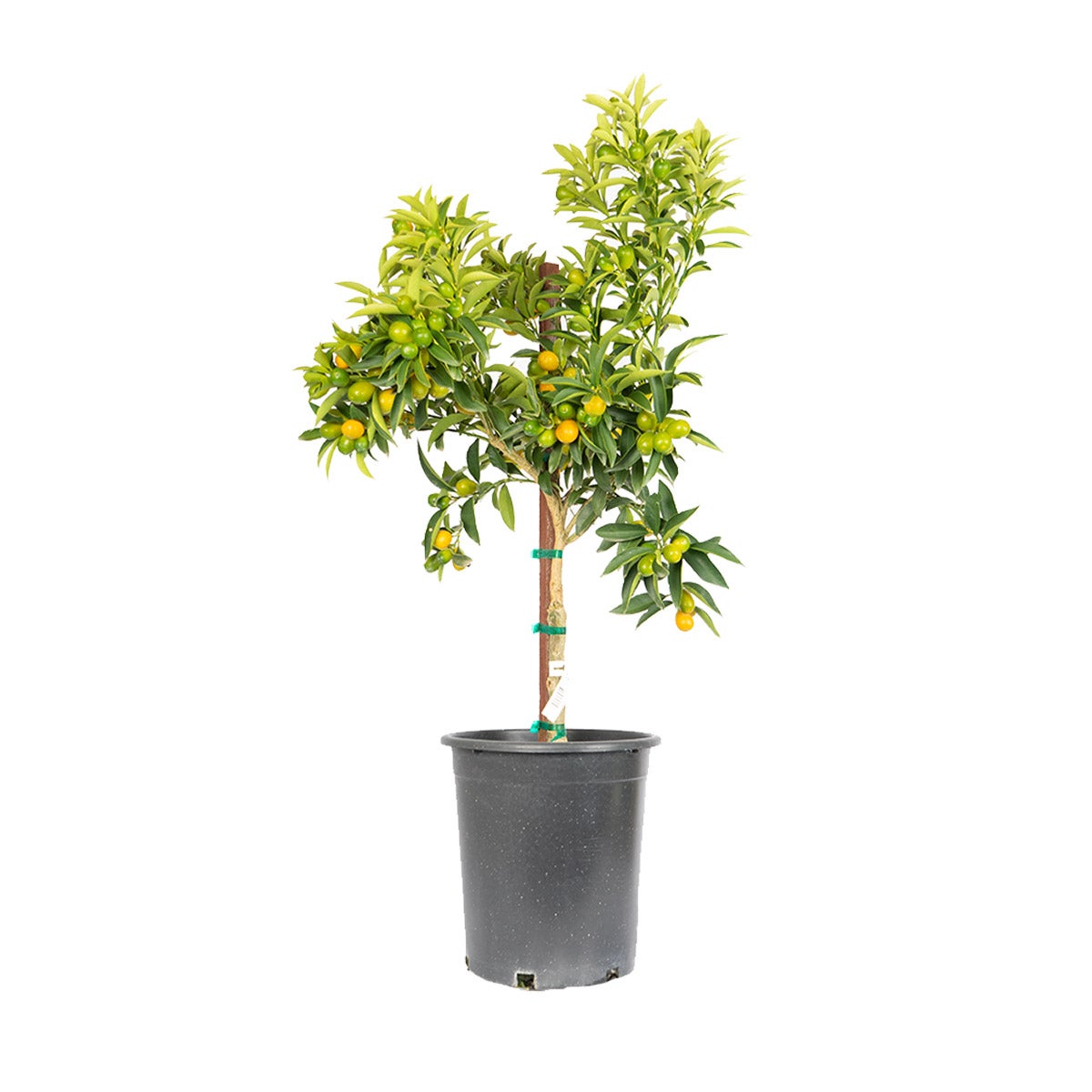
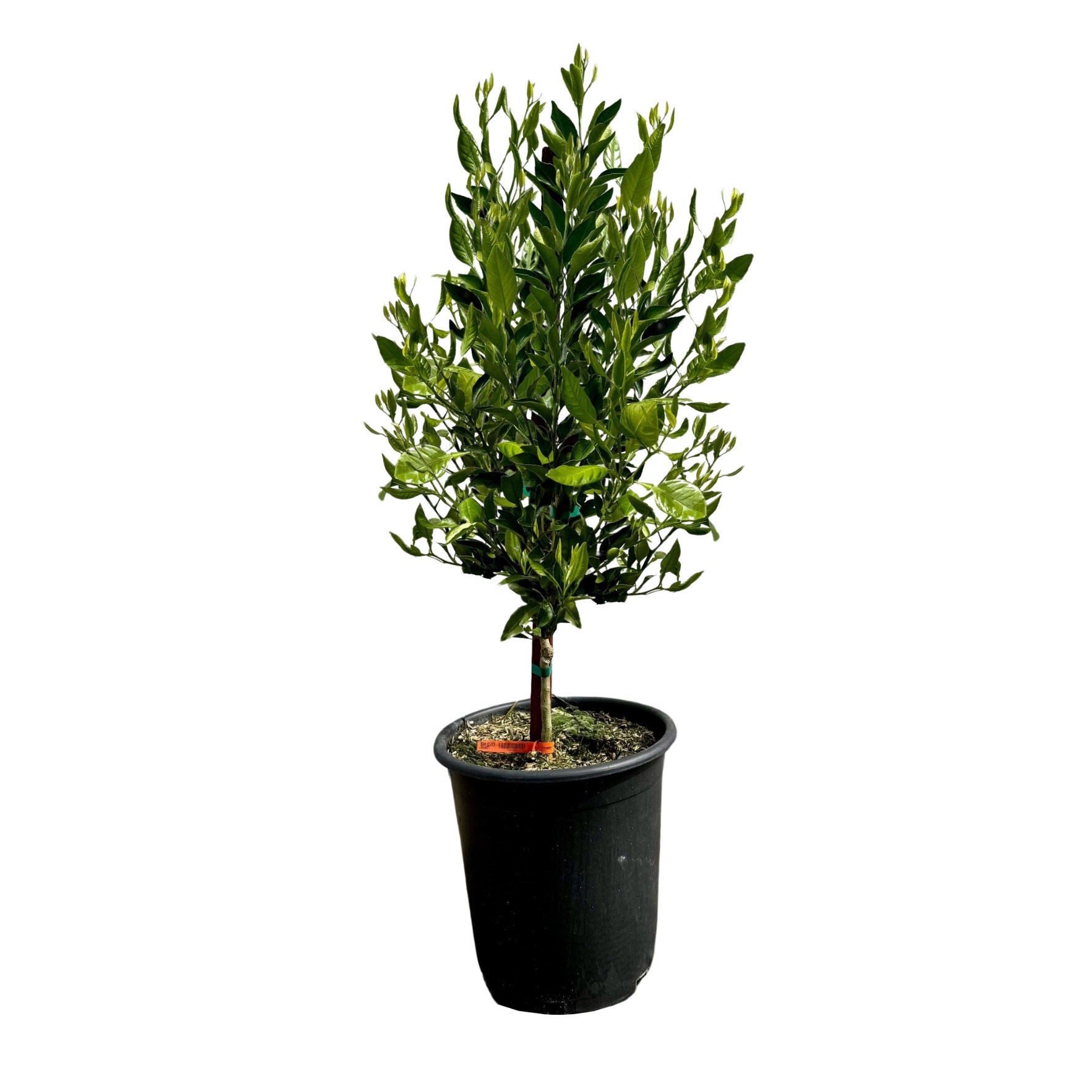
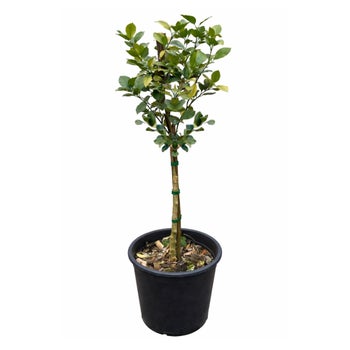
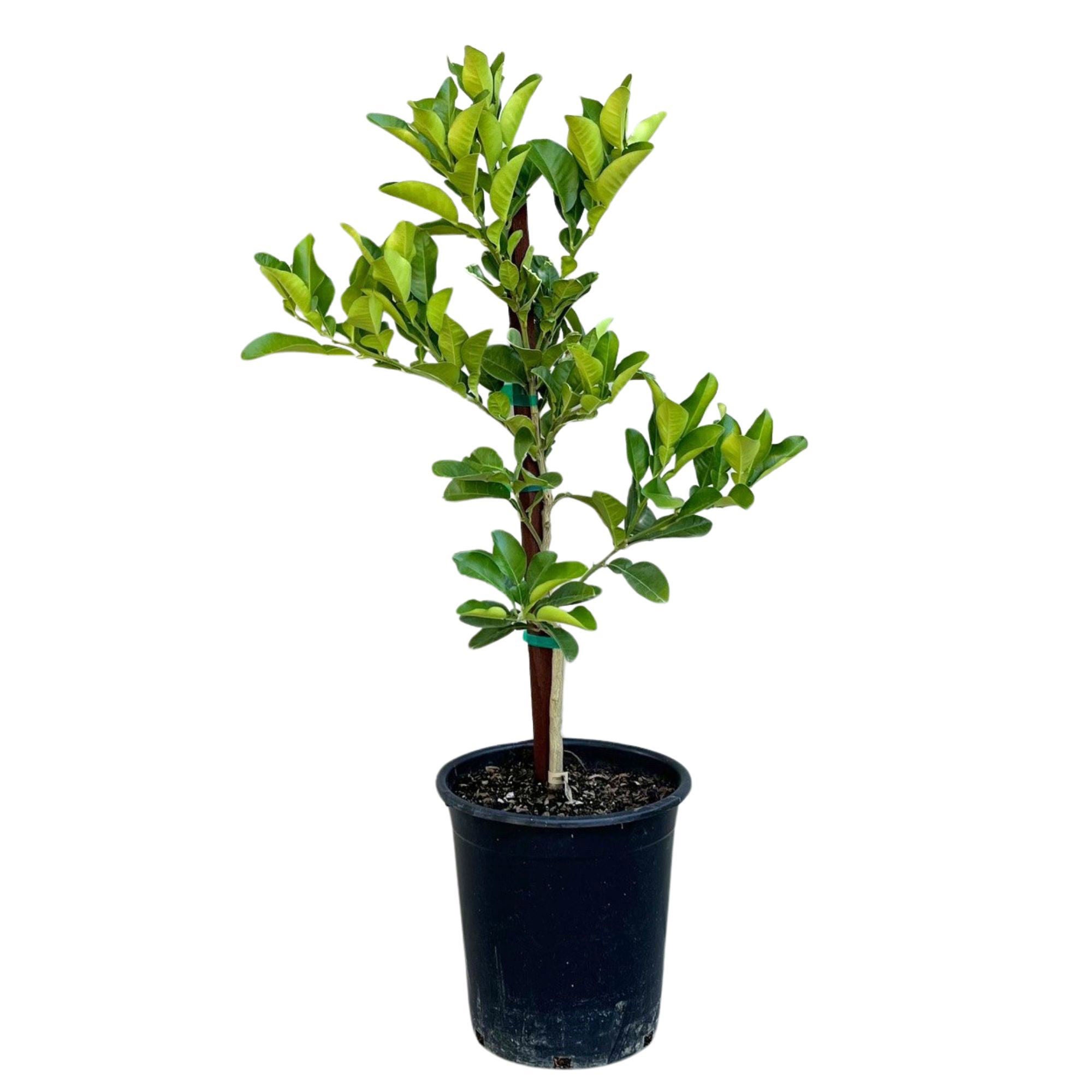
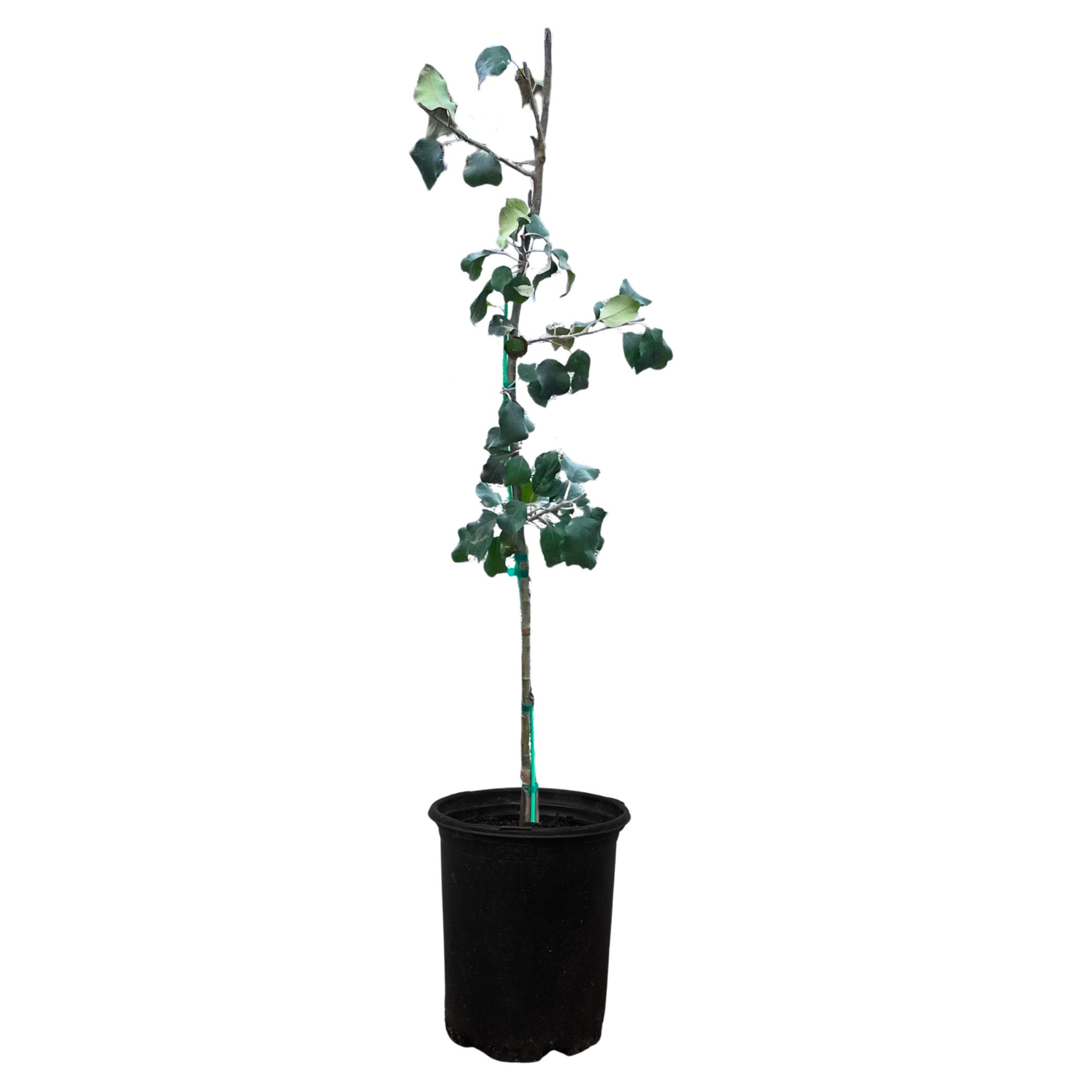
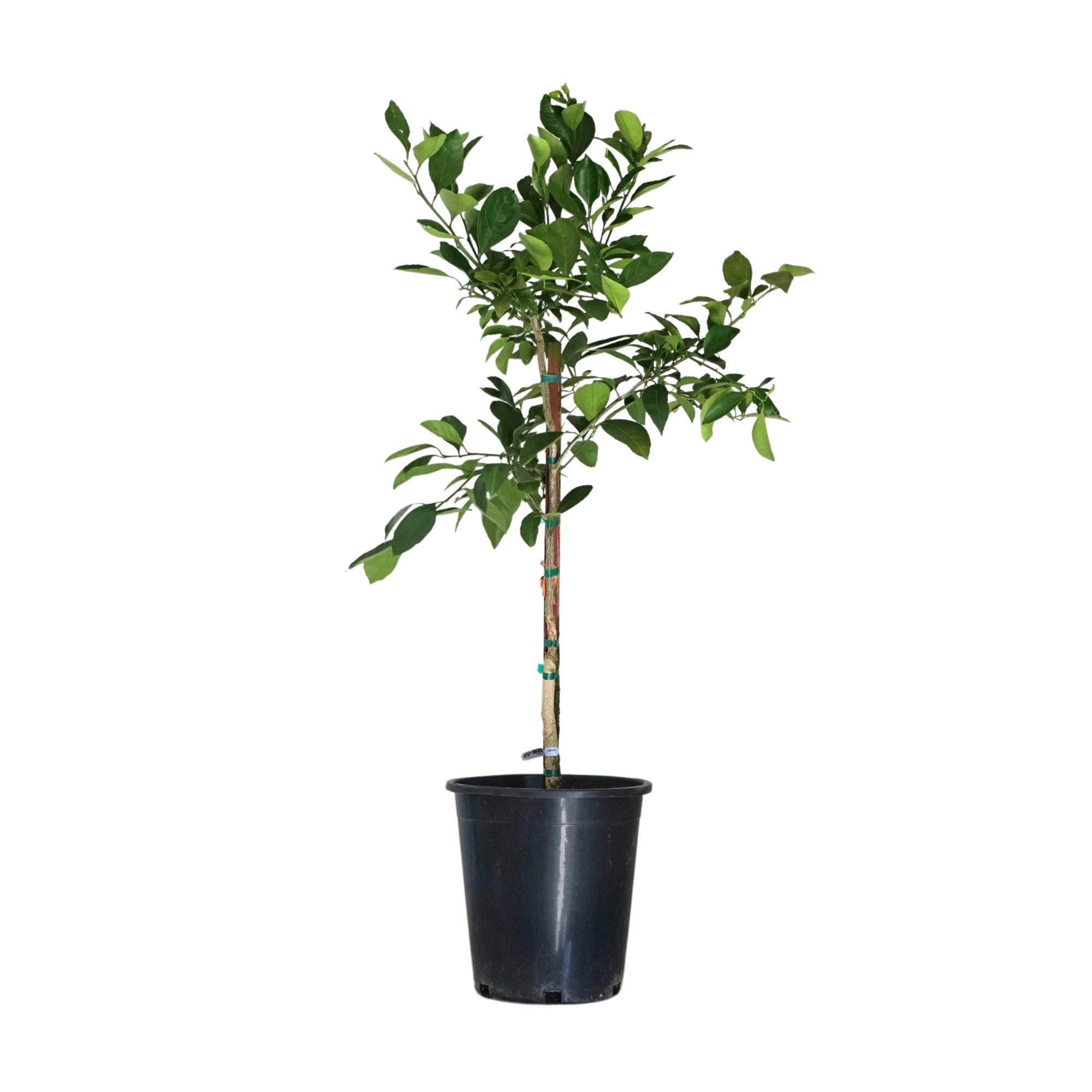
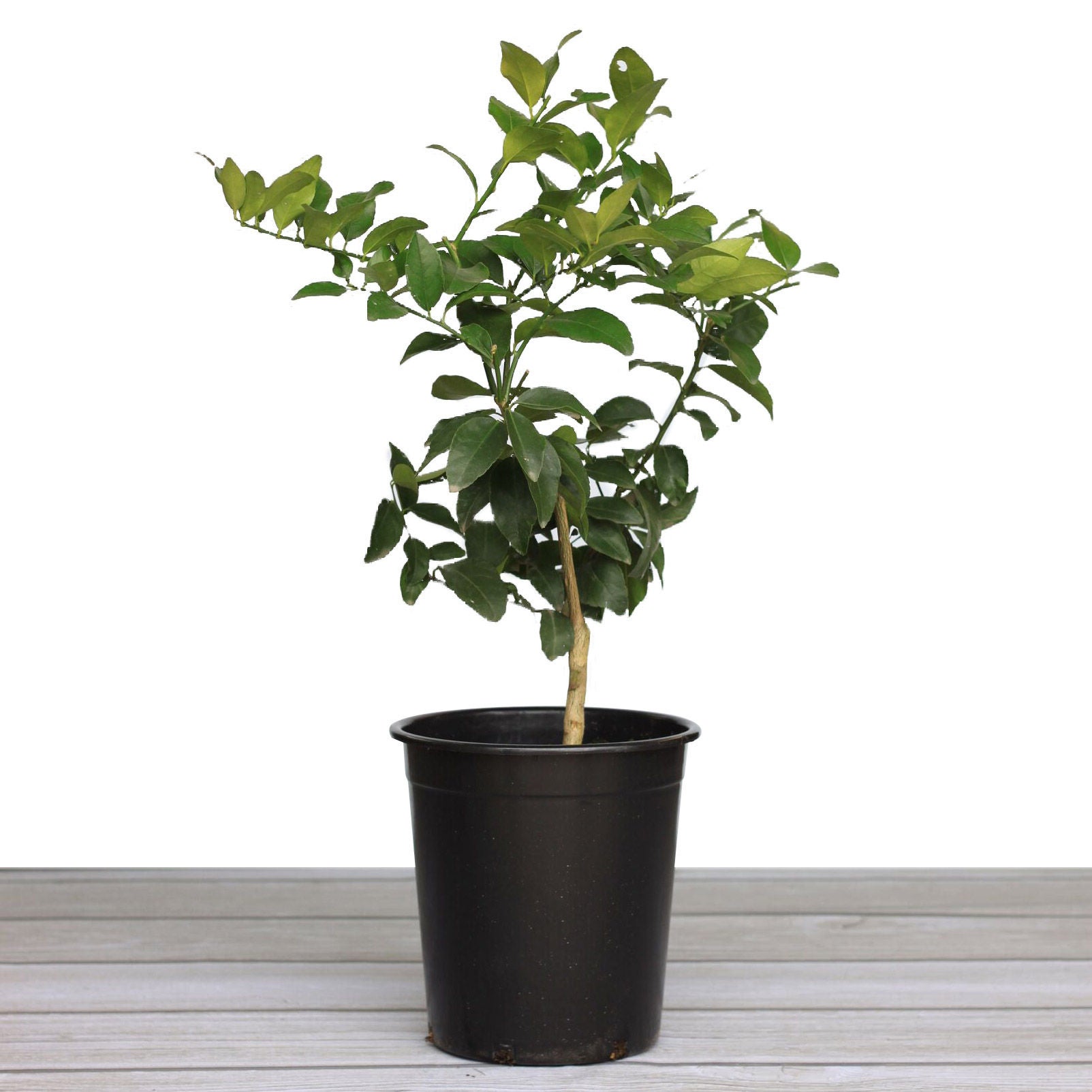
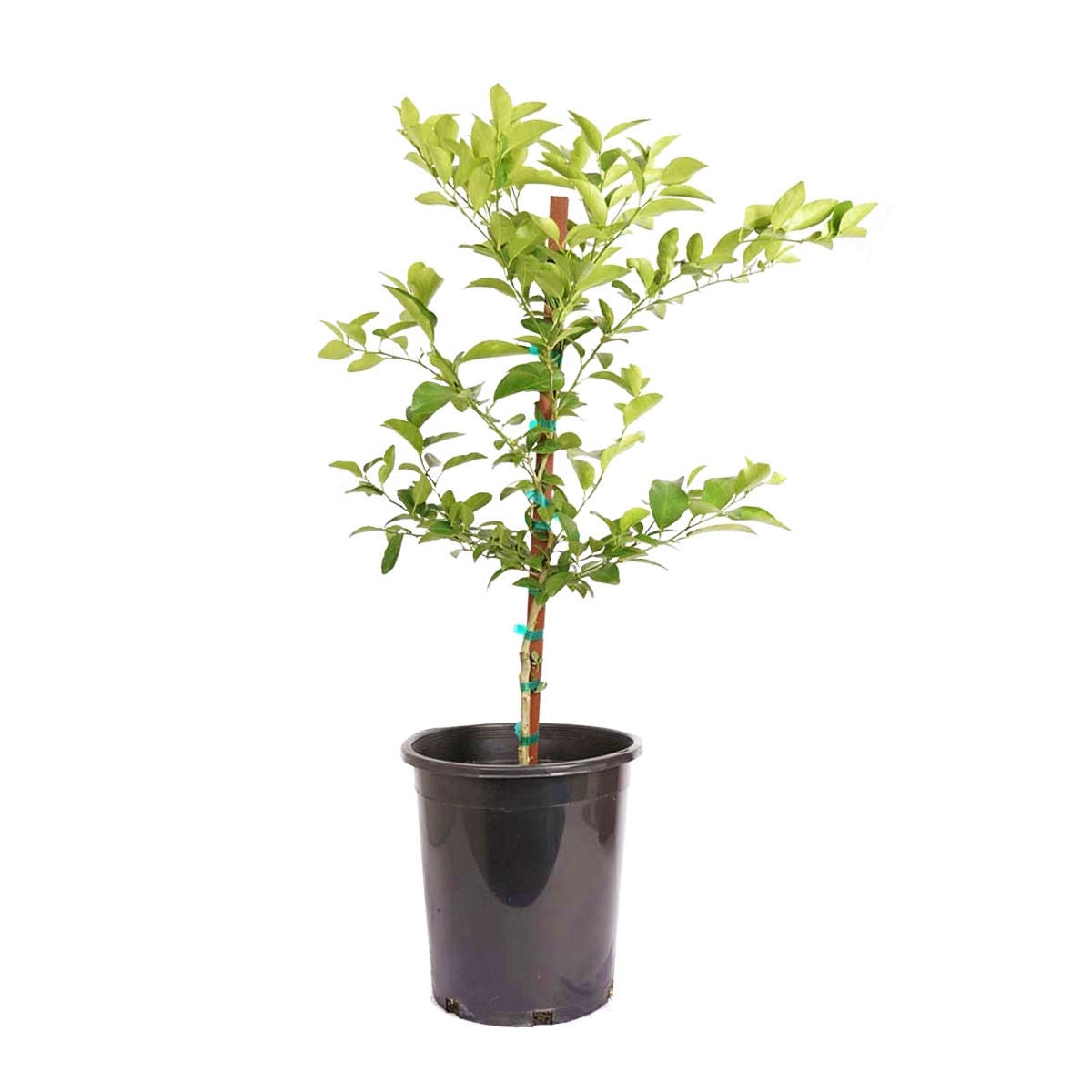
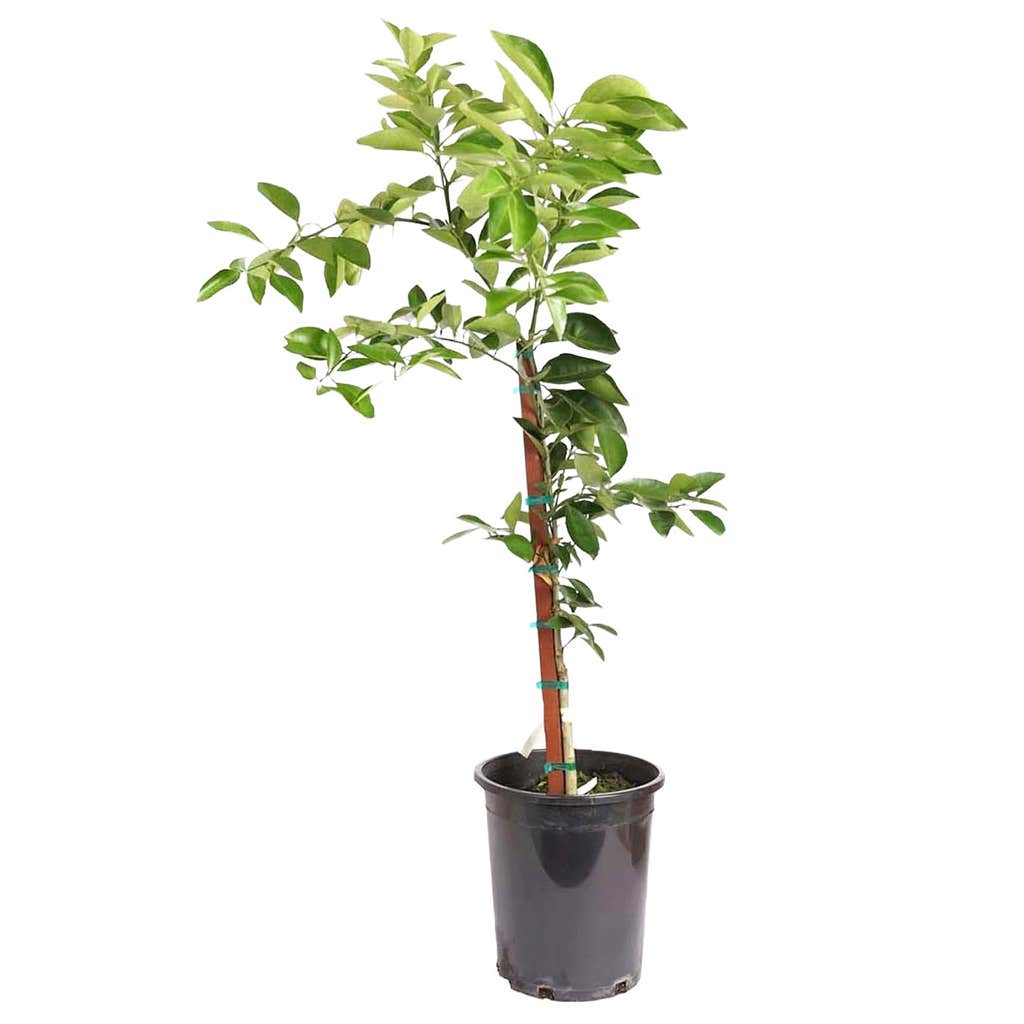
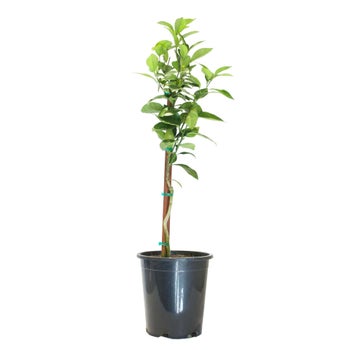
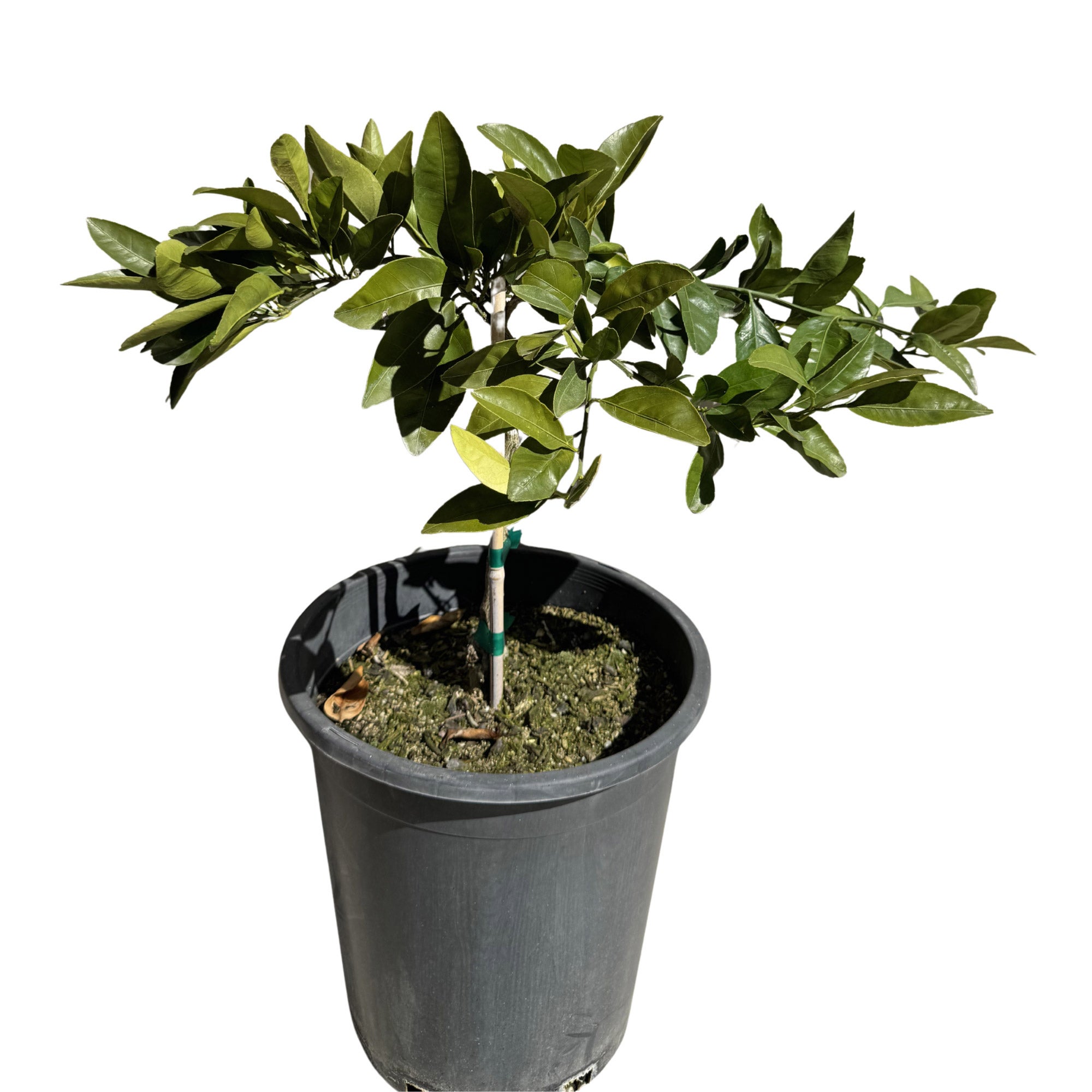
Fruit Trees For Edible Landscaping
FAQs
-
Edible landscaping incorporates food-producing plants into an ornamental garden. Fruit trees bring blossoms, foliage, and seasonal harvests to the landscape, blending practical use with visual appeal.
-
Consider your local climate, sunlight, soil drainage, and the fruits you enjoy eating. Check each variety's USDA hardiness zone and winter chill requirements, which describe the cool-season conditions needed before spring growth.
-
Some fruit trees are self-fruitful, while others need a compatible variety nearby for cross-pollination. Many apple and pear varieties require a pollination partner with an overlapping bloom period. Check the variety's pollination requirements when planning your landscape.
-
Fruit trees can serve as focal points, anchor mixed garden beds, or form rows along garden paths. Choose a location with the variety's recommended sunlight and well-drained soil, and leave access for routine tending and harvesting.
-
Fruit trees offer changing features throughout the year, from spring blossoms and summer foliage to ripening fruit and winter branching patterns. Combining varieties with different bloom and harvest periods can create a landscape that changes across the seasons.