



Fruit Trees For Full Sun
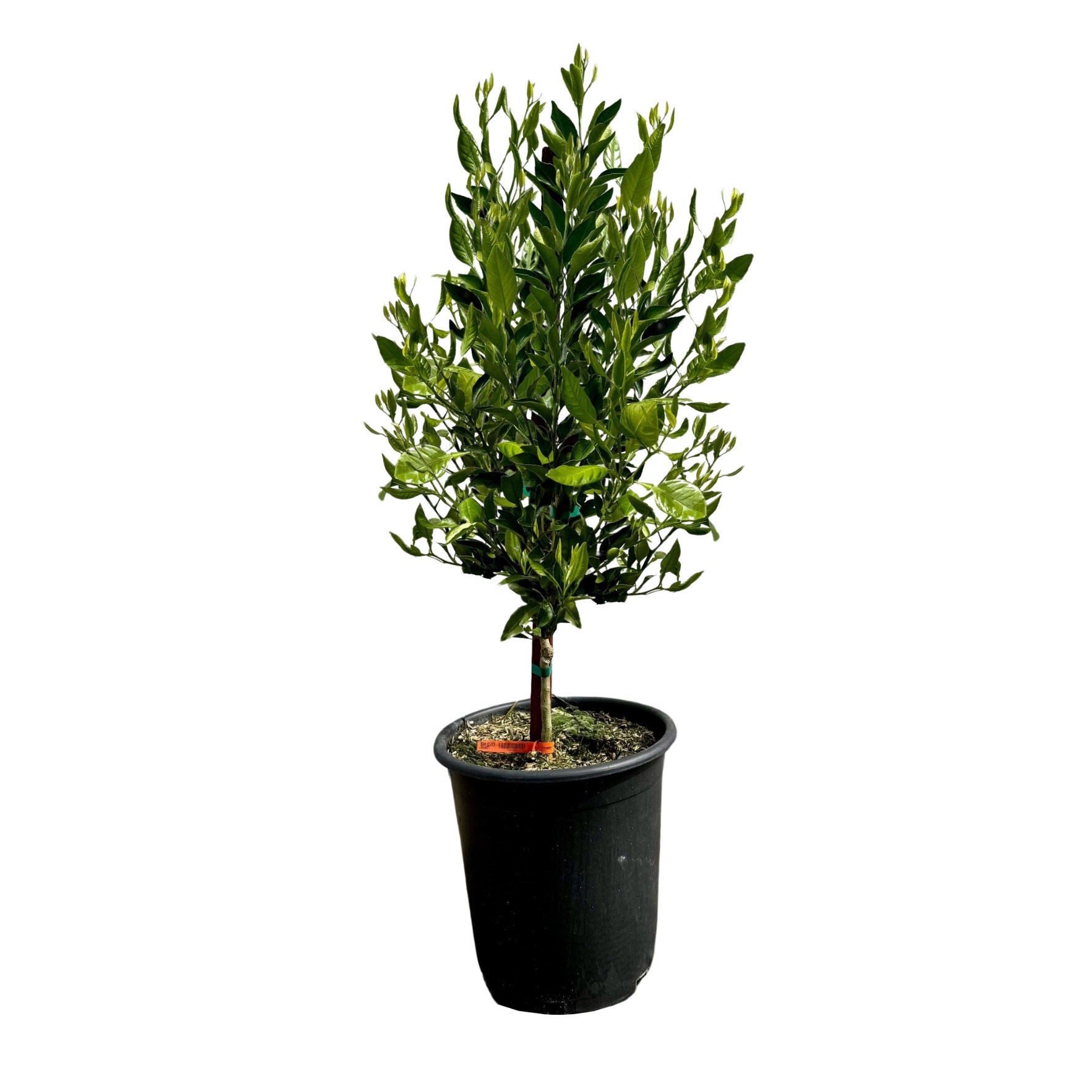
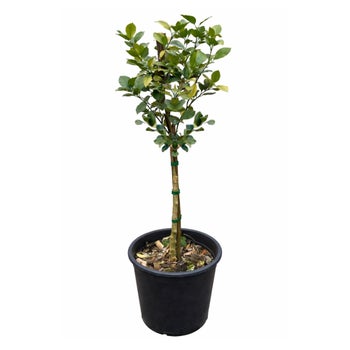
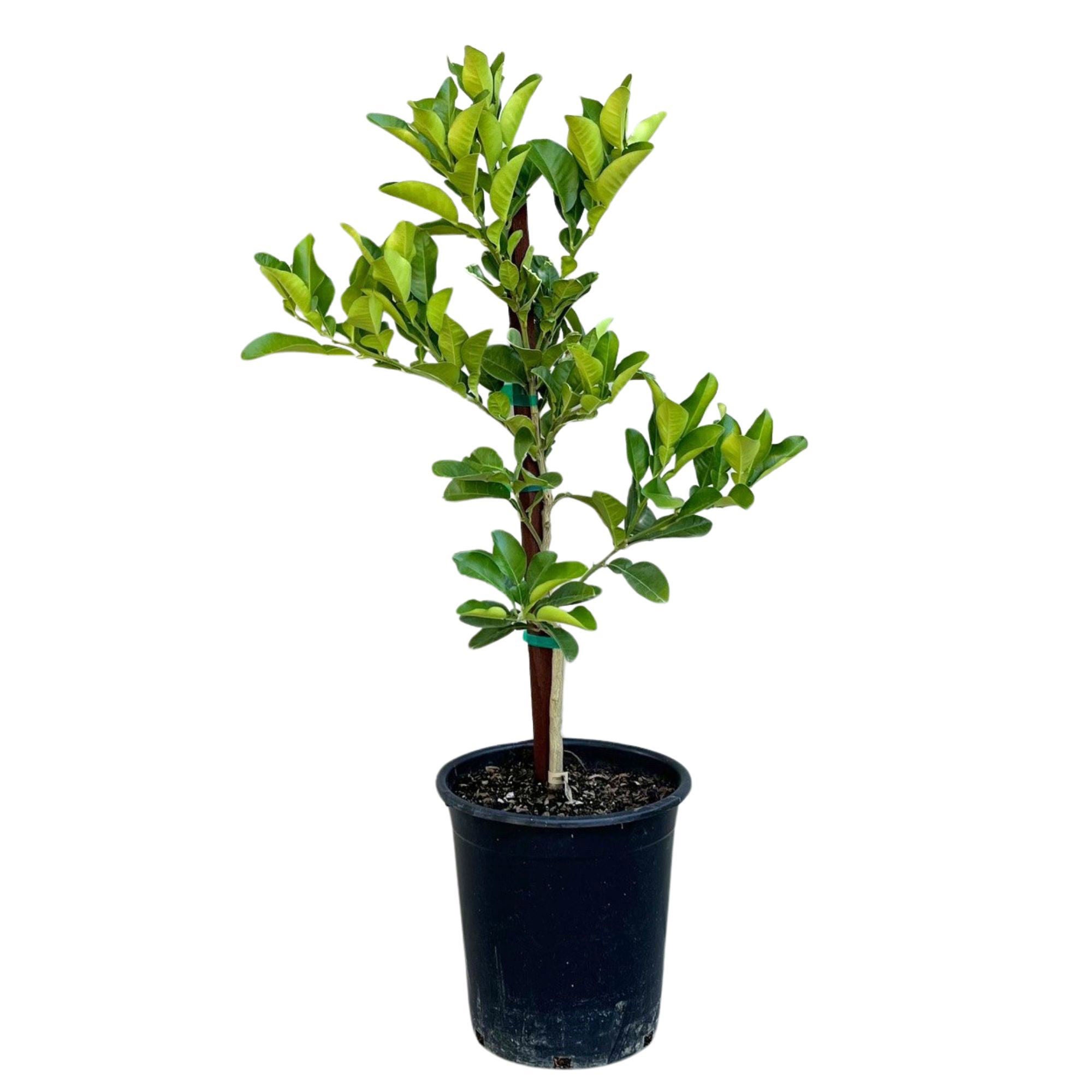
Explore fruit trees for full sun to find options for a sunny spot in your yard or garden. As you compare trees, check each variety’s growing zone, mature size, and pollination requirements to choose one suited to your space and local growing conditions.
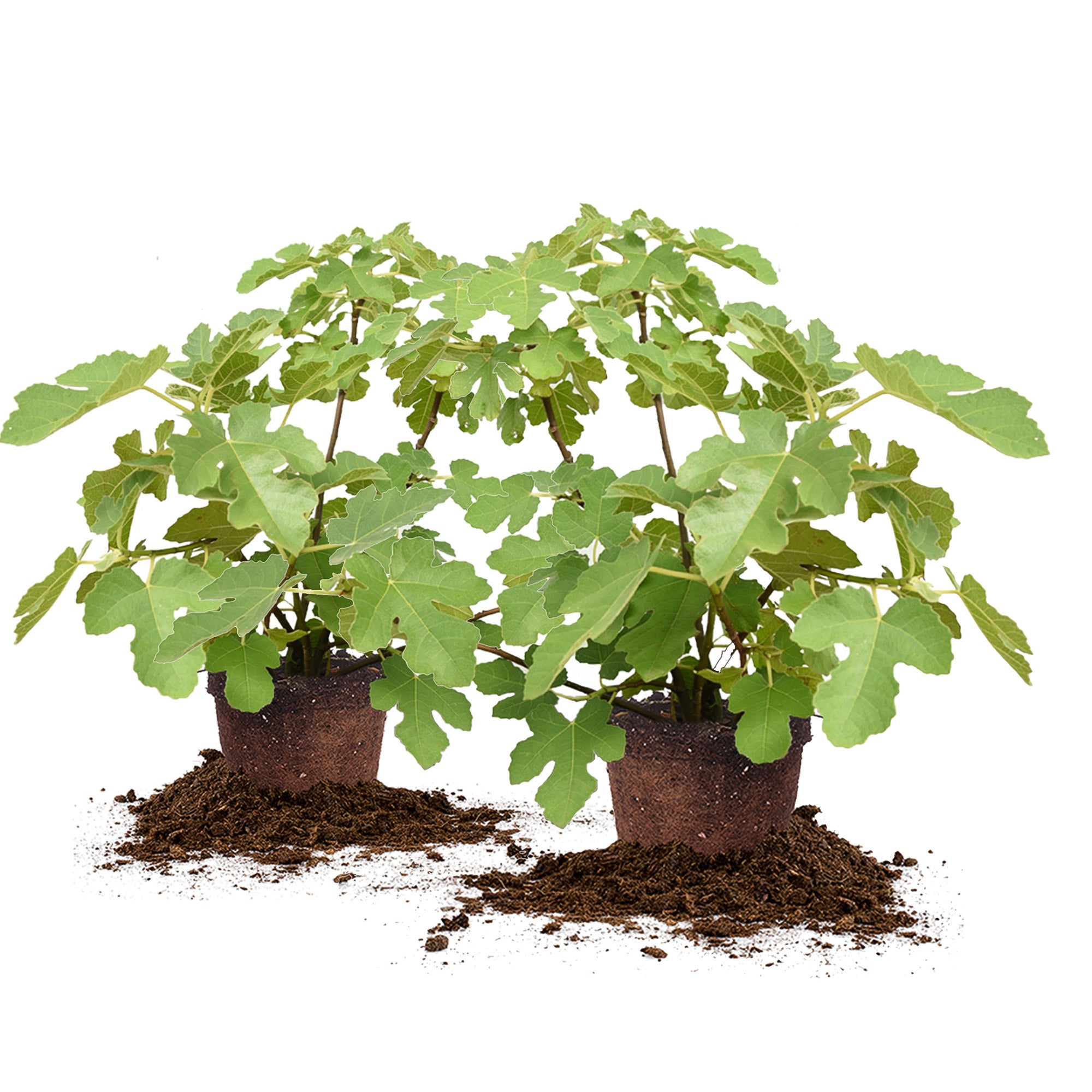
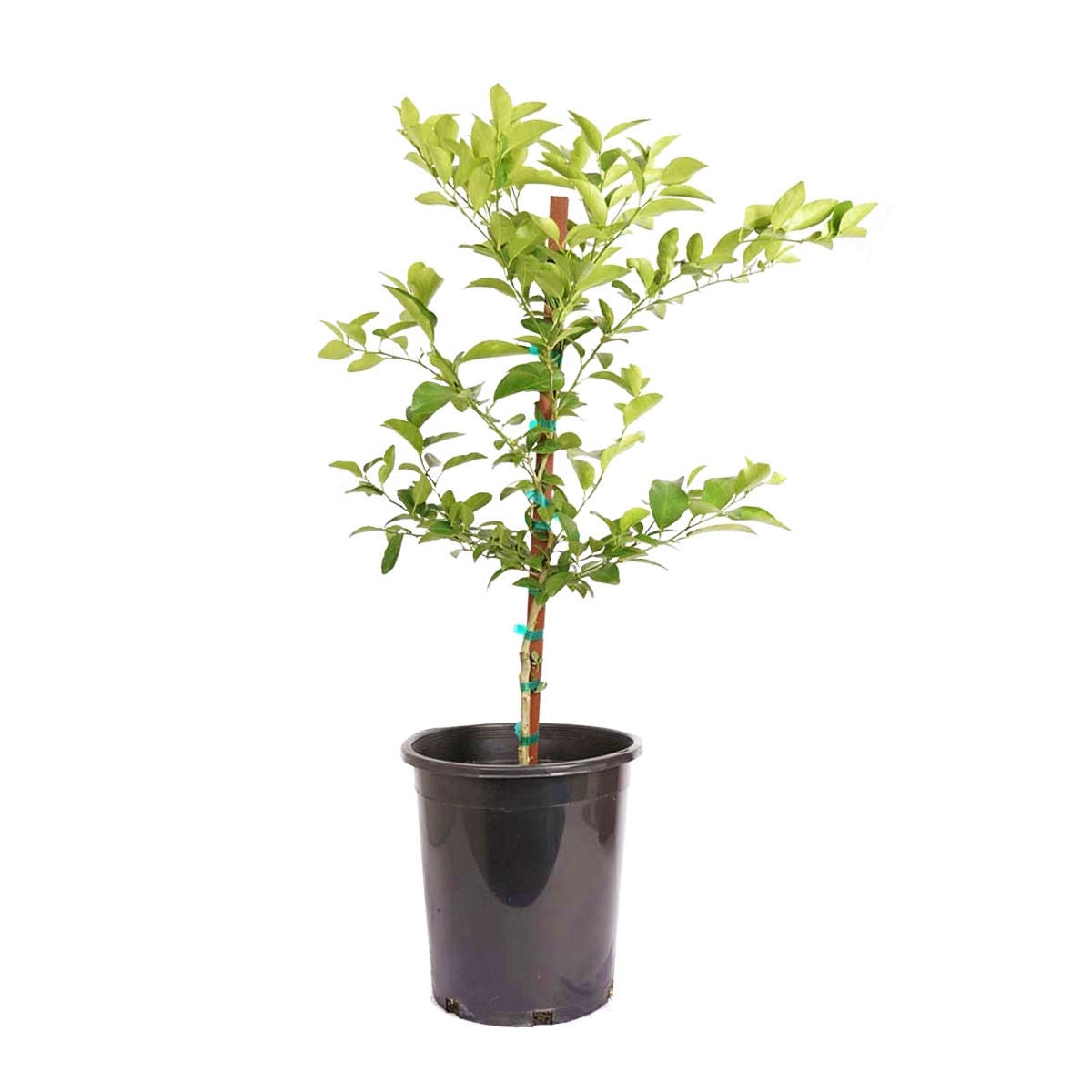
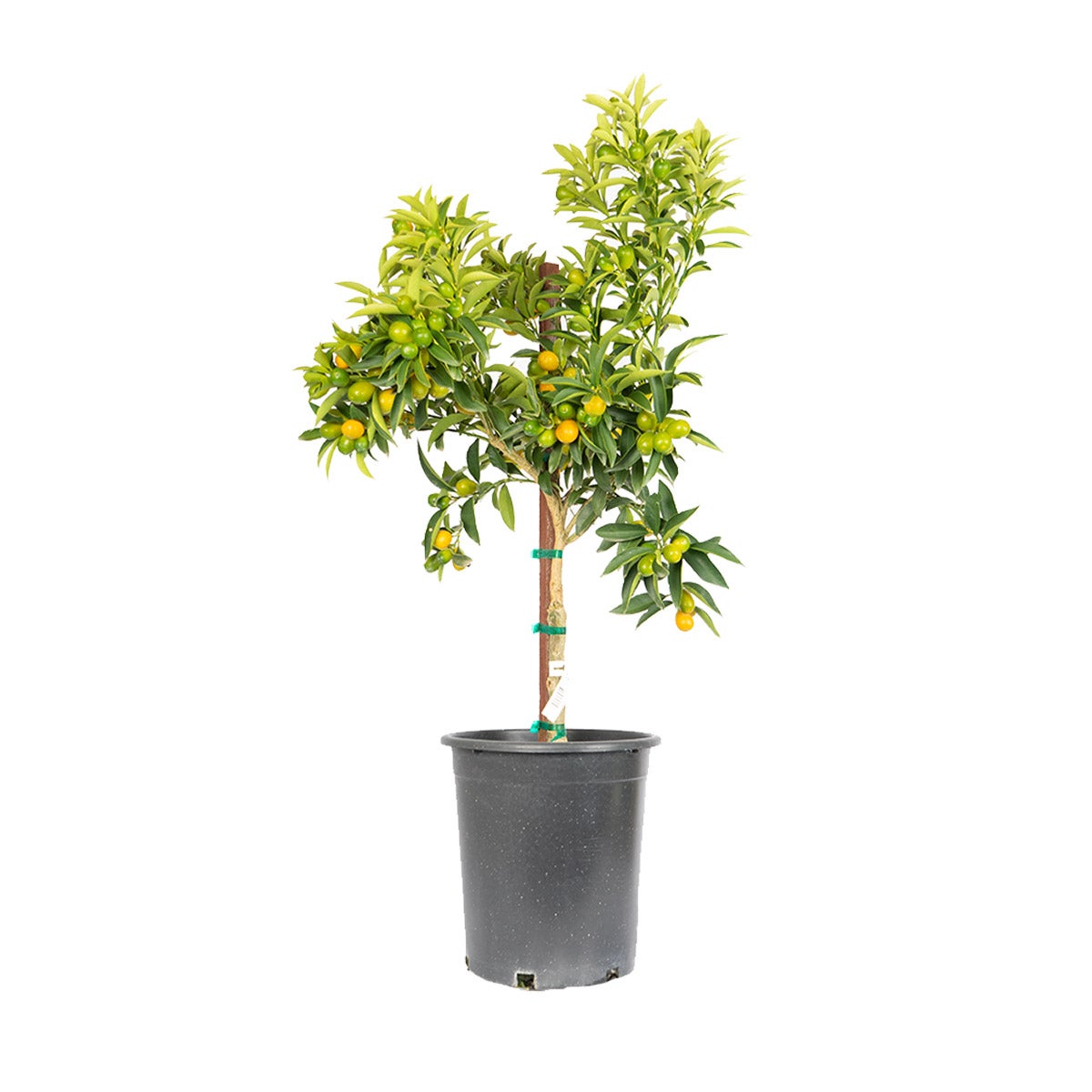
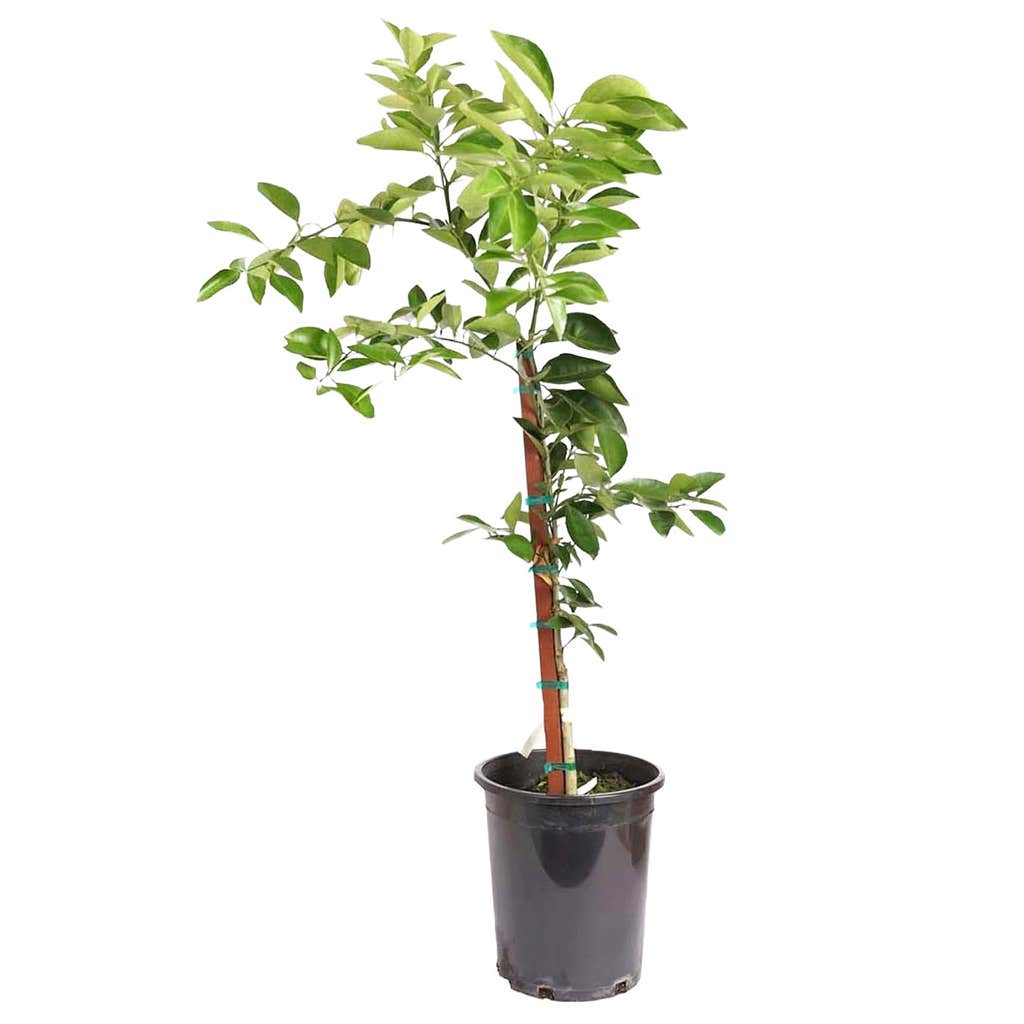
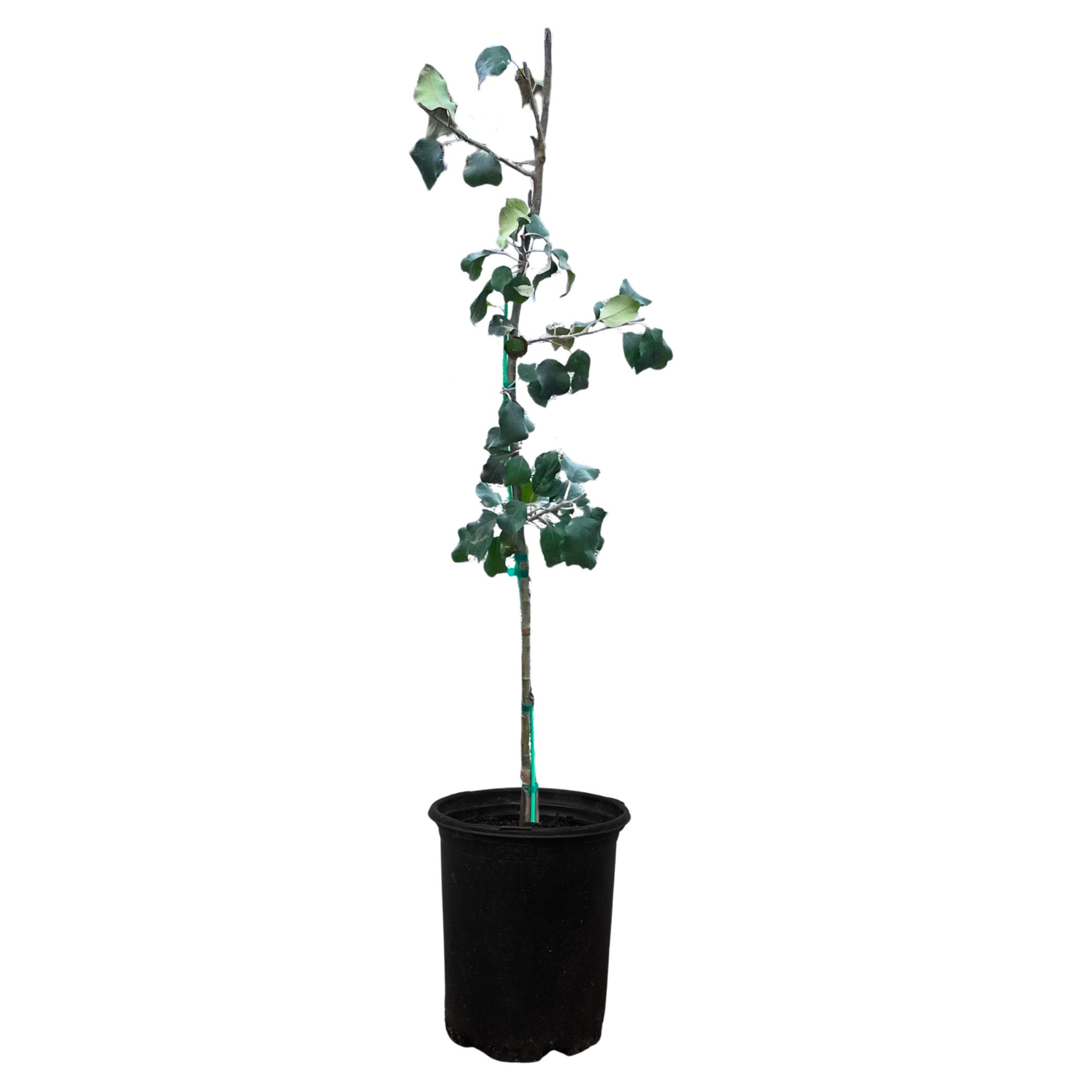
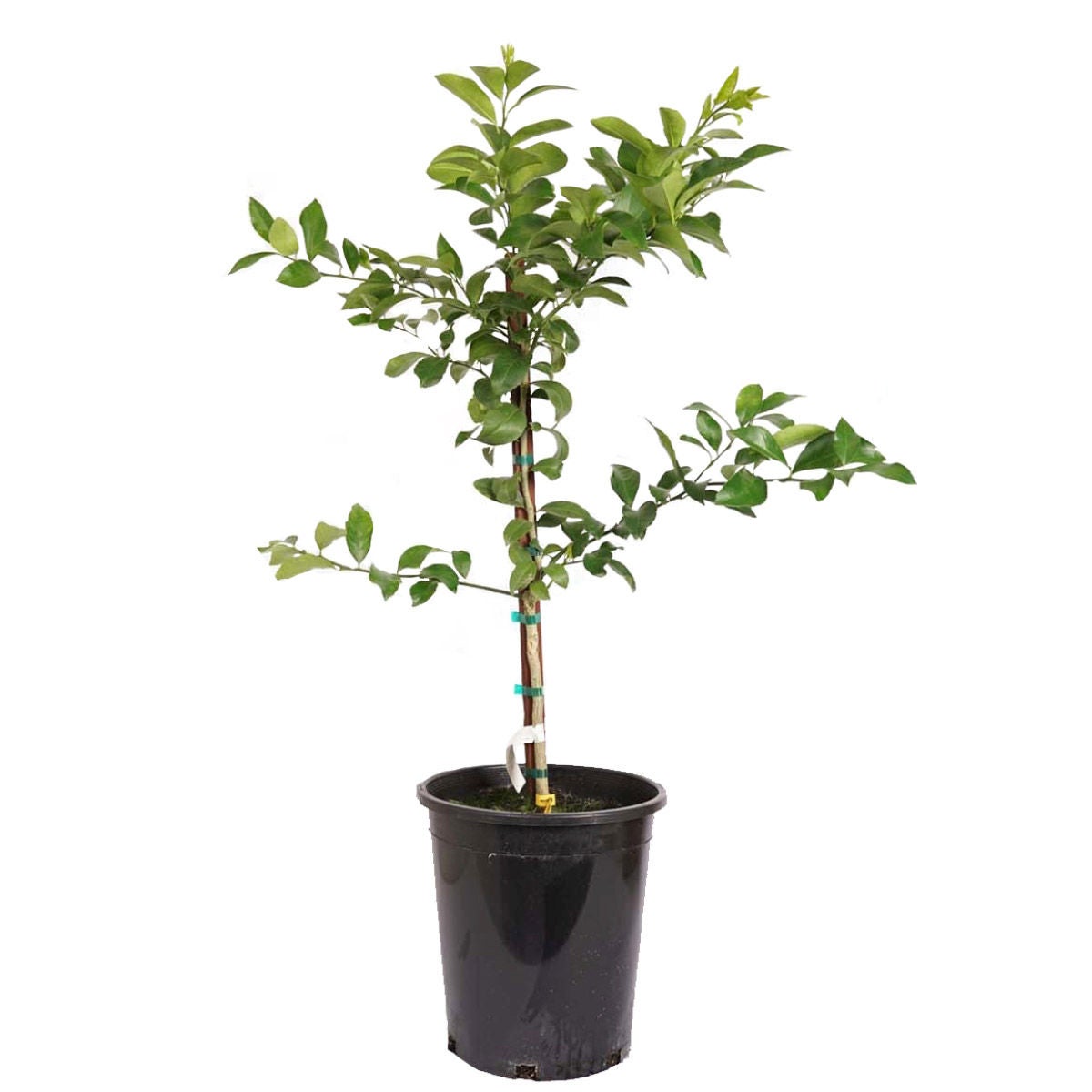
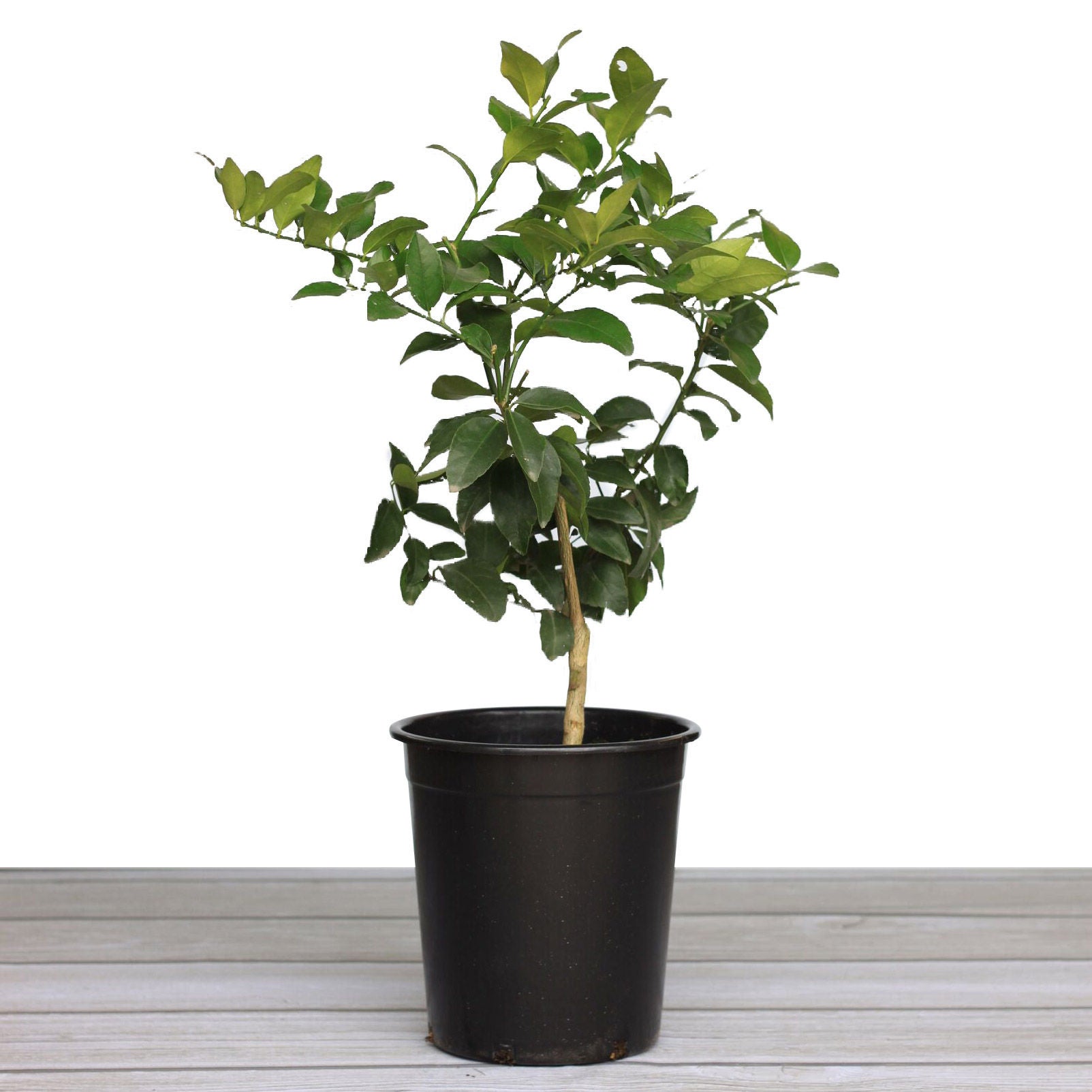
Fruit Trees For Full Sun
FAQs
-
Full sun generally means at least six to eight hours of direct sunlight each day. When choosing a planting spot, consider how nearby buildings and other trees cast shade throughout the day and across seasons.
-
Apple, peach, pear, plum, cherry, fig, and citrus trees commonly grow in full-sun locations. The best choice depends on your local climate, winter temperatures, and growing season. Check the variety’s USDA Hardiness Zone recommendations before choosing a tree.
-
Most fruit trees prefer well-drained soil with organic matter. Soil pH preferences vary by fruit type, so a soil test can help guide preparation. Avoid planting locations where water regularly pools after rain.
-
Some fruit trees are self-fertile, while others need pollen from a compatible variety. Many apples and pears require a pollination partner, while many peaches are self-fertile. Check the variety’s pollination requirements and whether potential partners bloom at the same time.
-
Planting time depends on your climate and whether the tree is bare-root or container-grown. Bare-root trees are typically planted during dormancy, before new growth begins. Container-grown trees are often planted in spring or fall, when temperatures are moderate and the ground is workable.