



Fruit Trees For Small Gardens
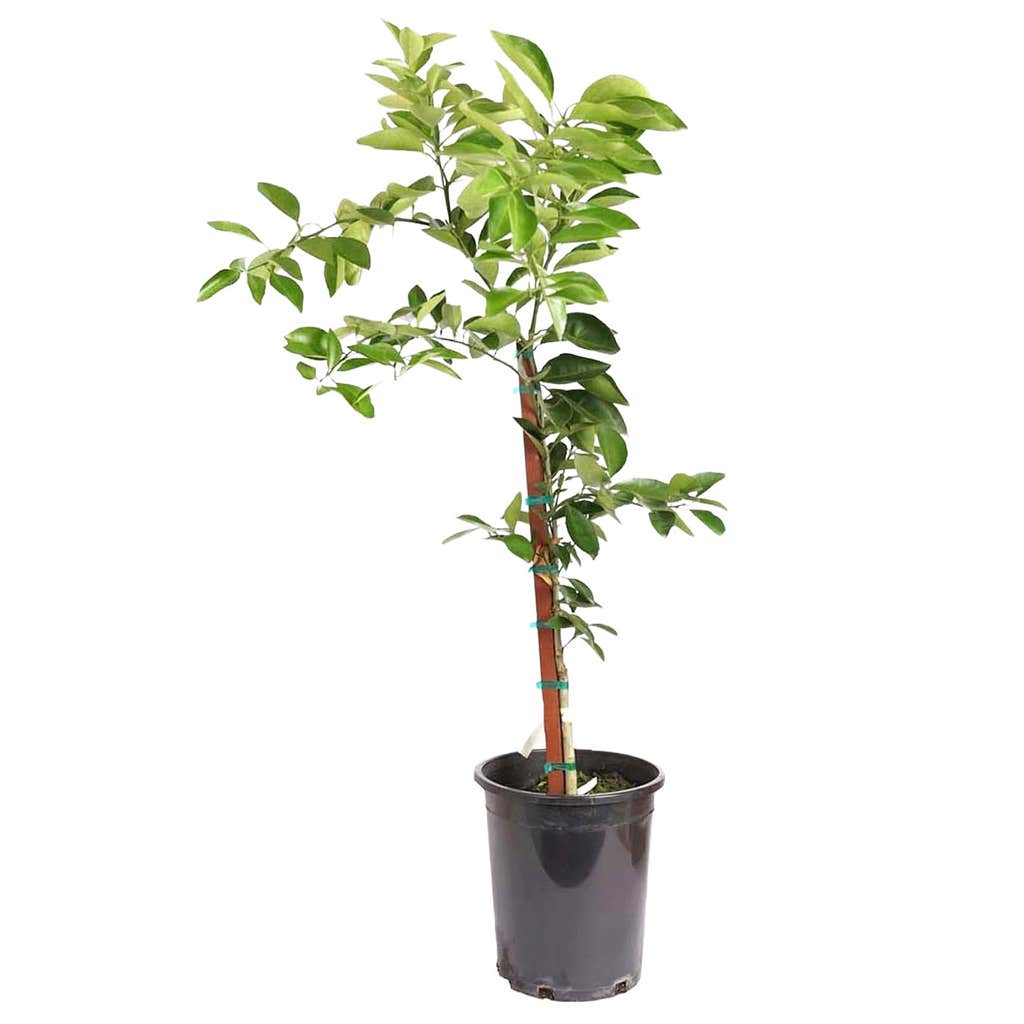
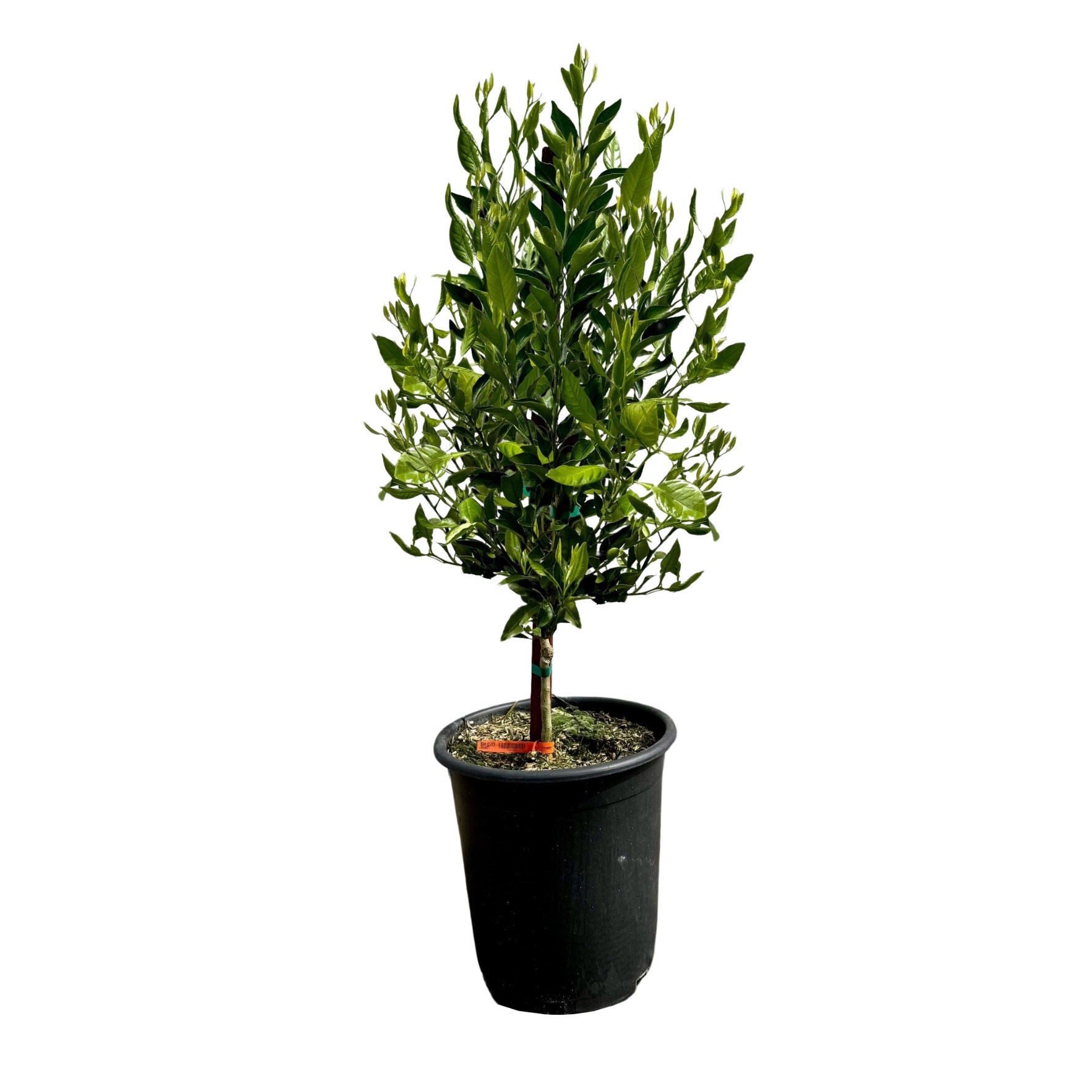
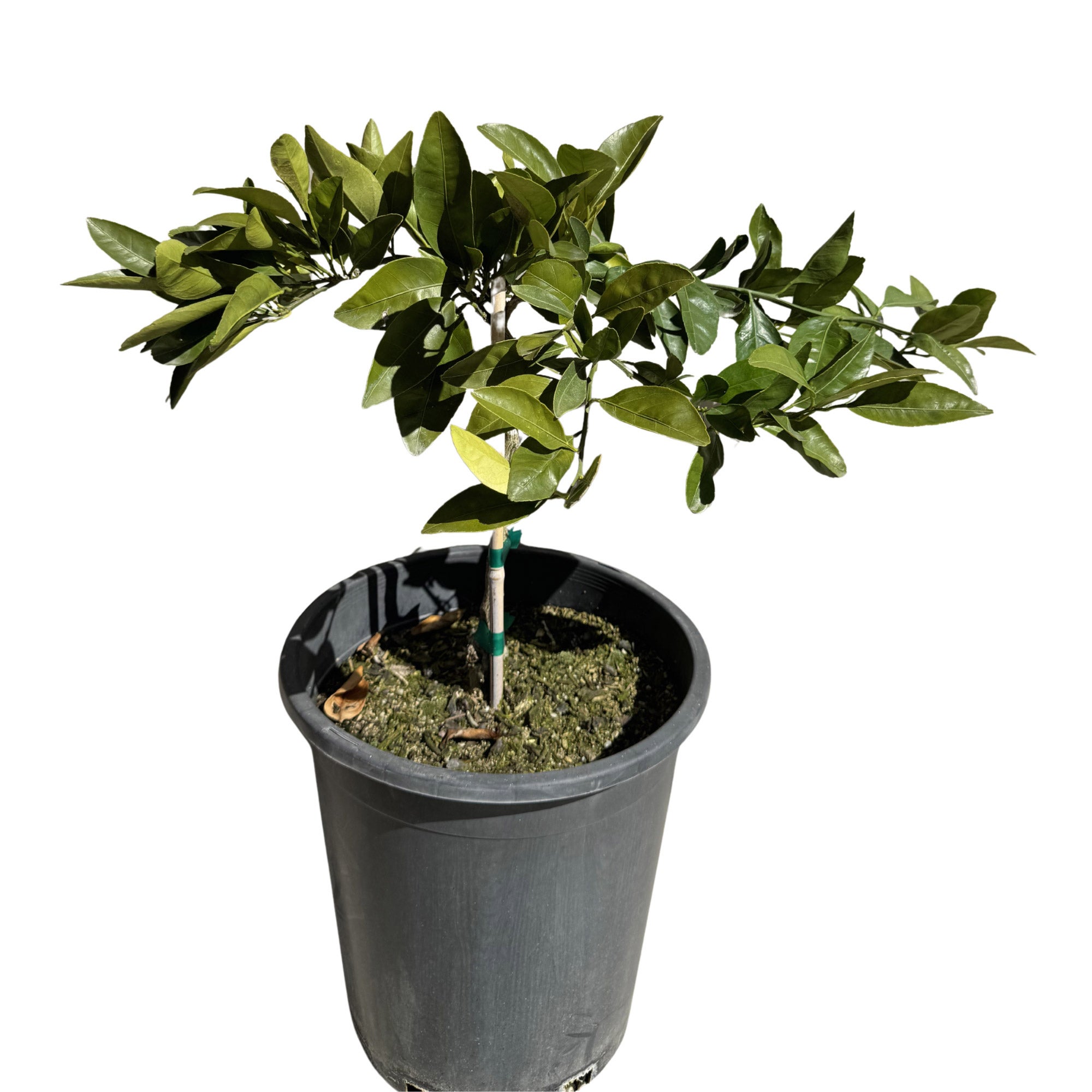
Find fruit trees for small gardens by comparing mature height and spread with your available planting space. As you browse, check each tree’s sunlight needs, growing zone, and pollination requirements to help choose an option suited to your yard.
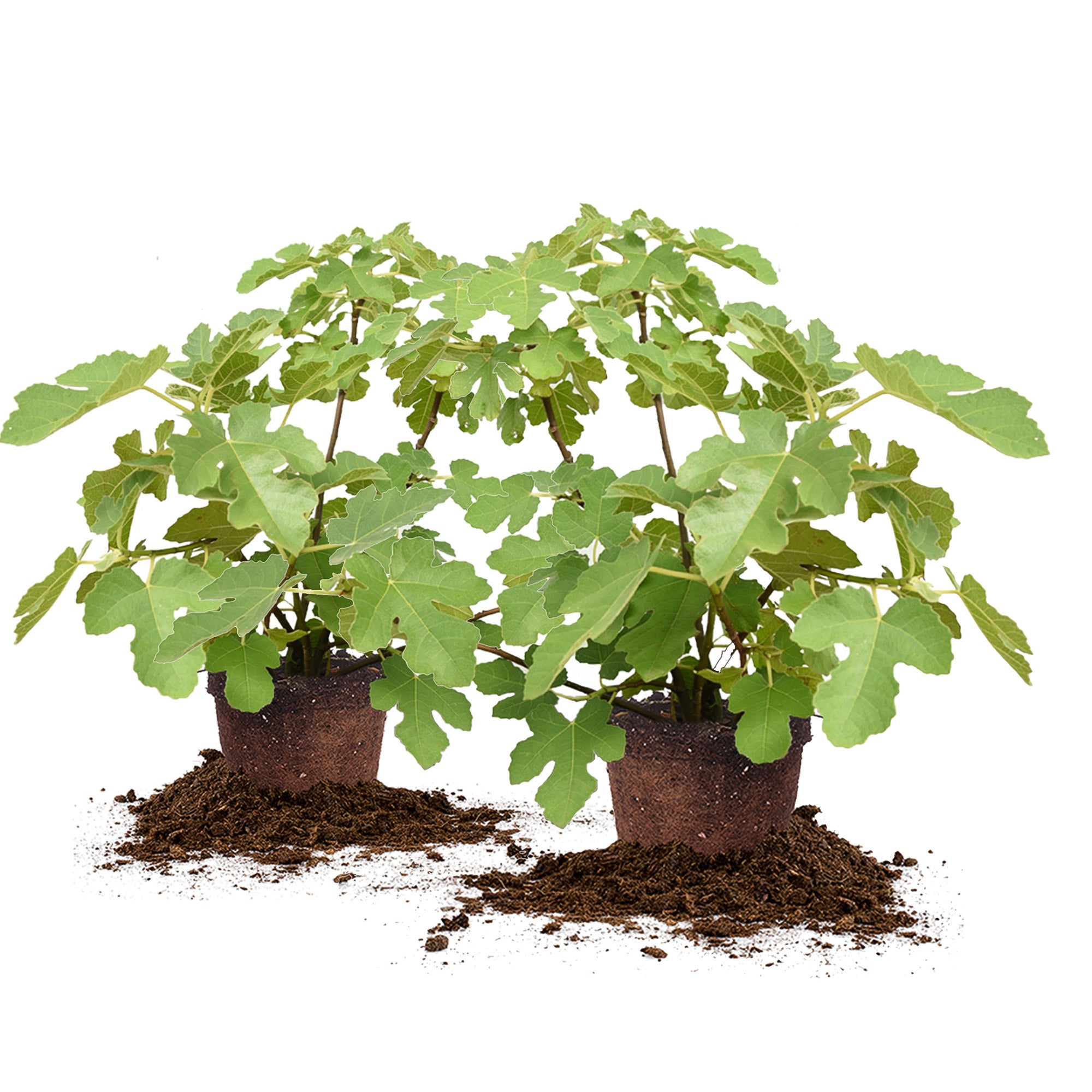
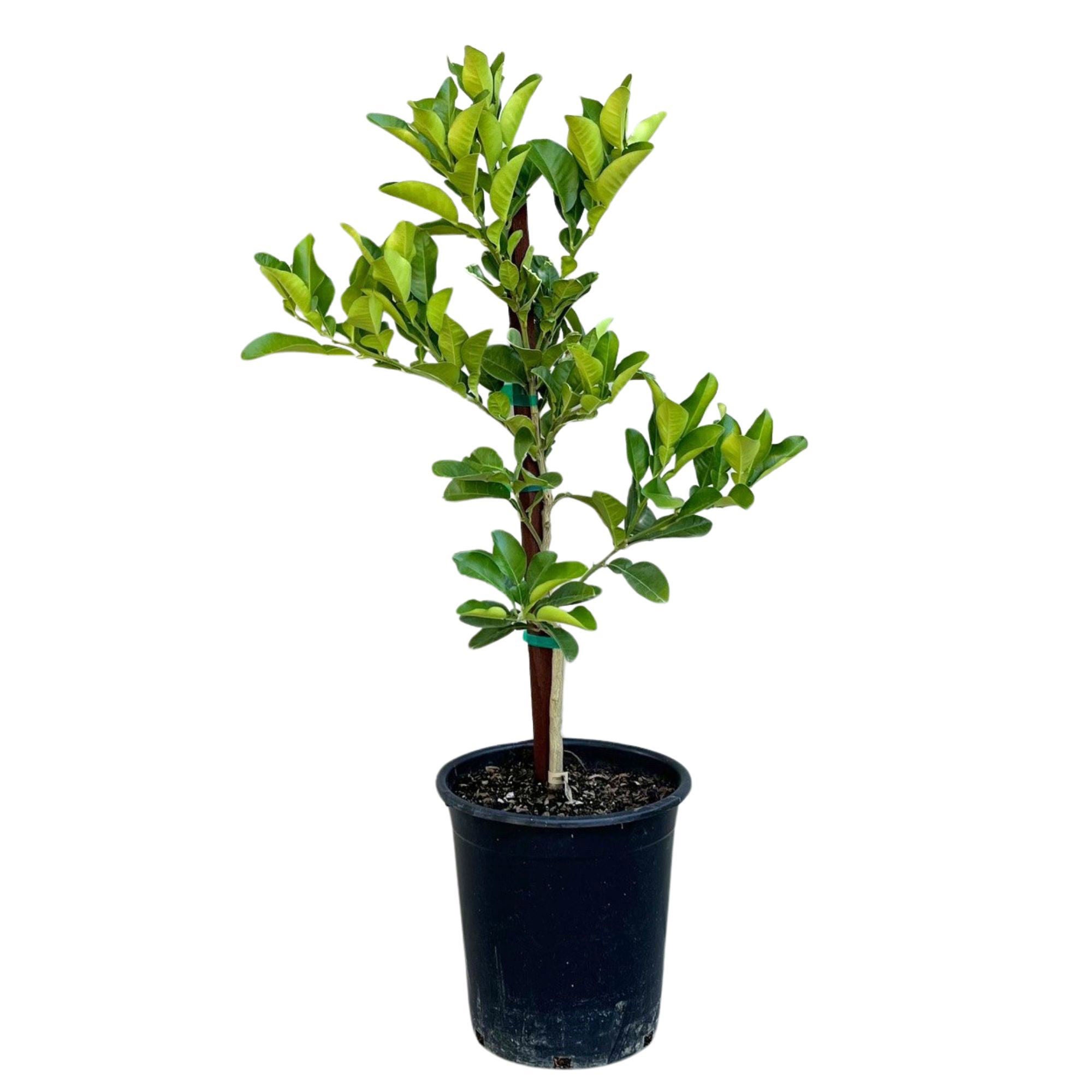
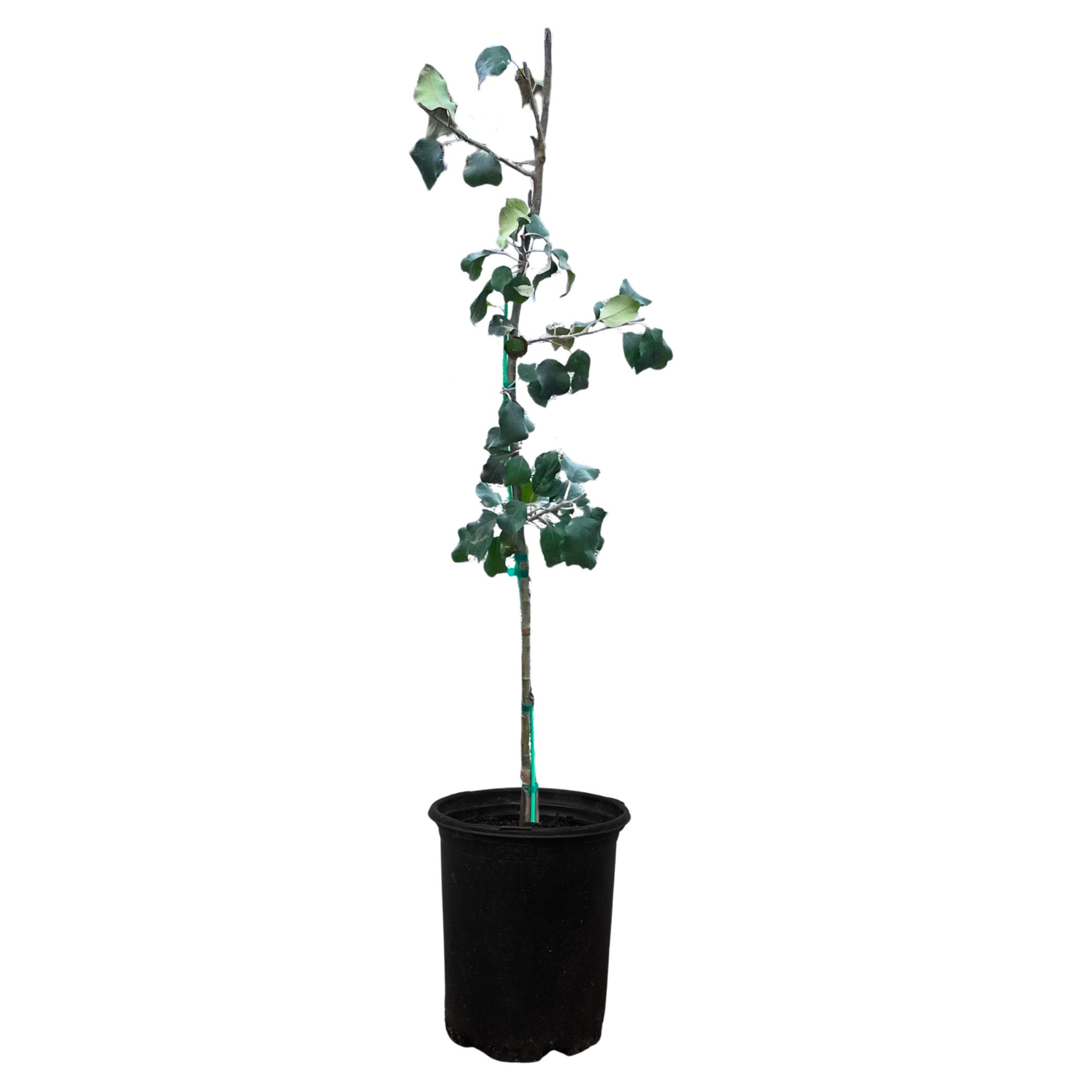
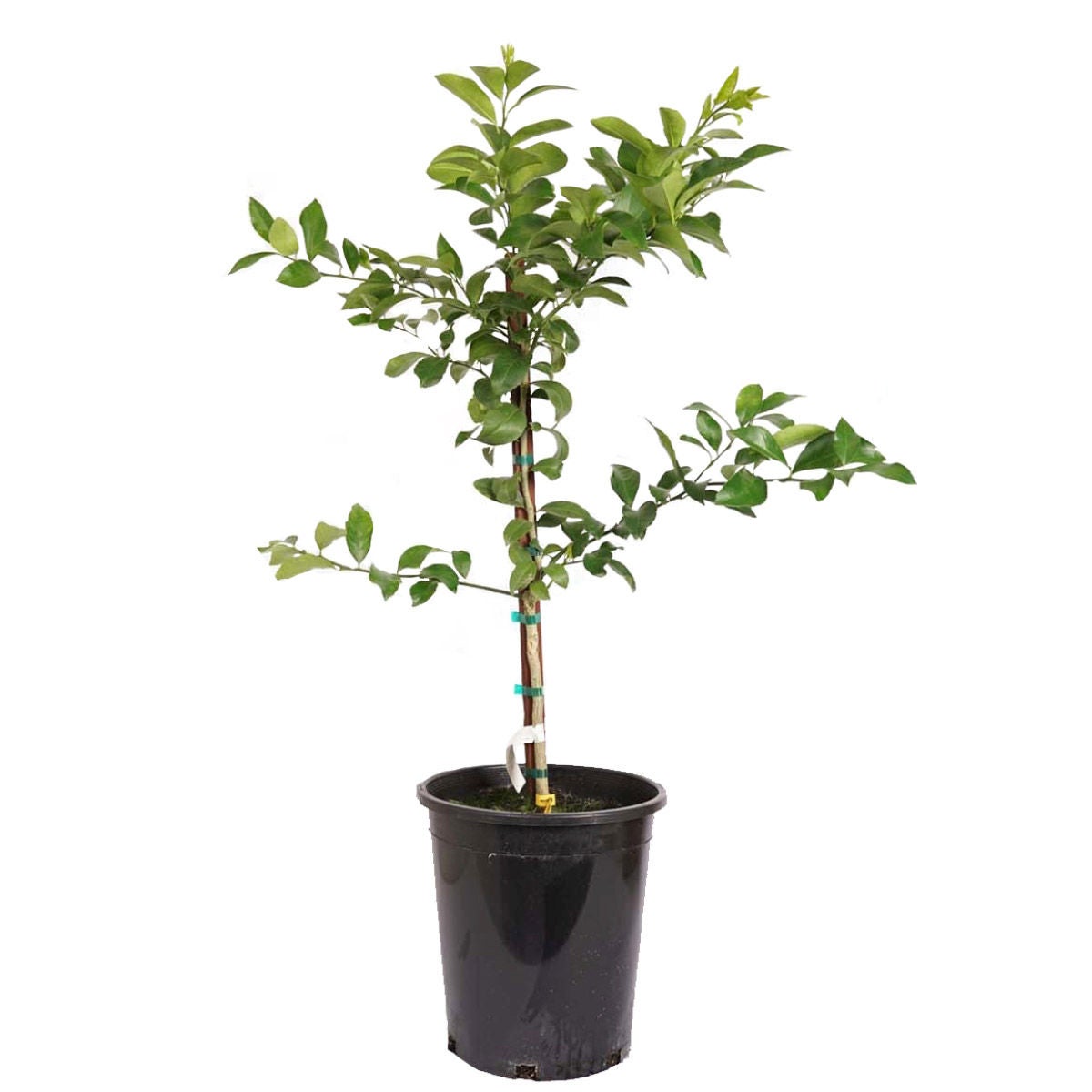
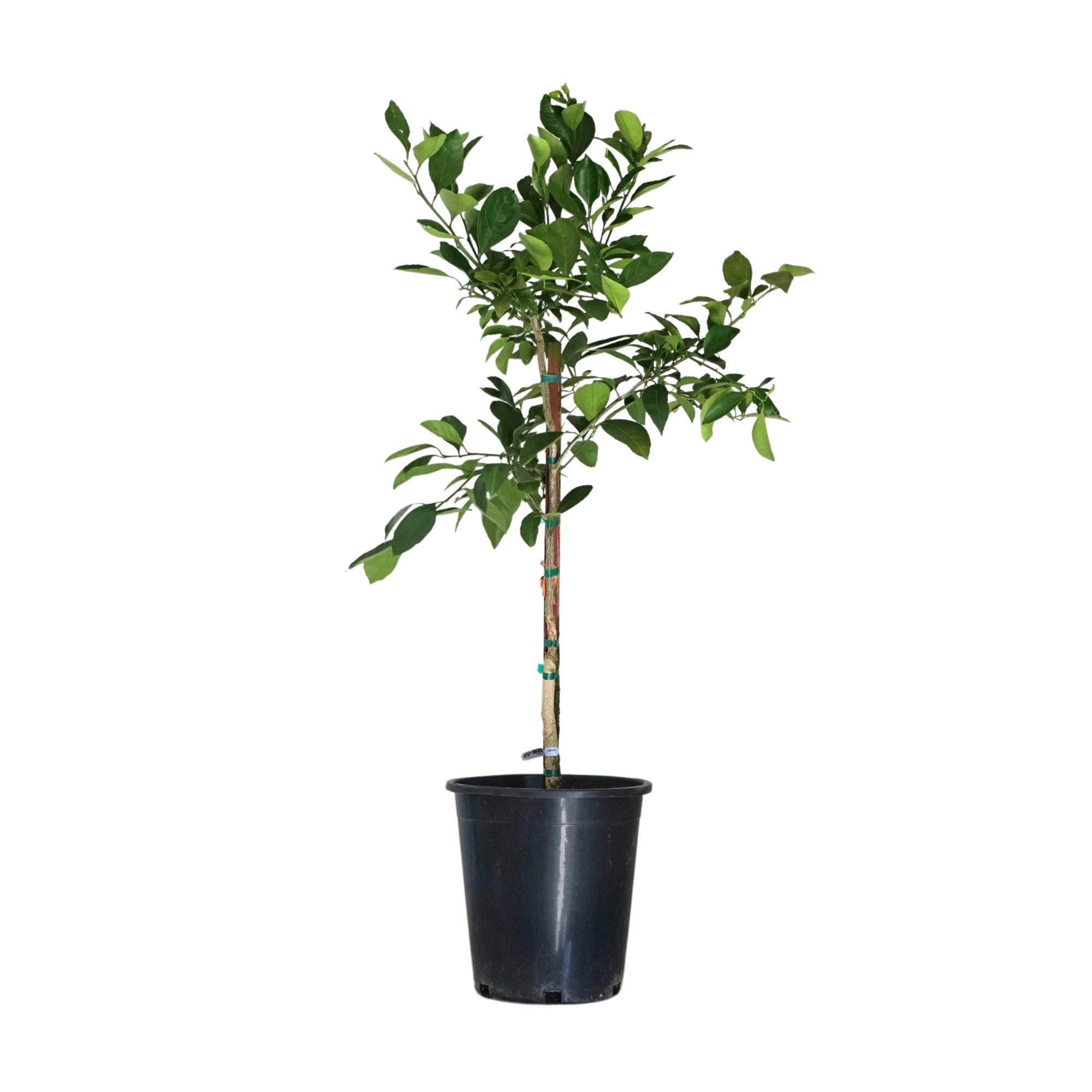
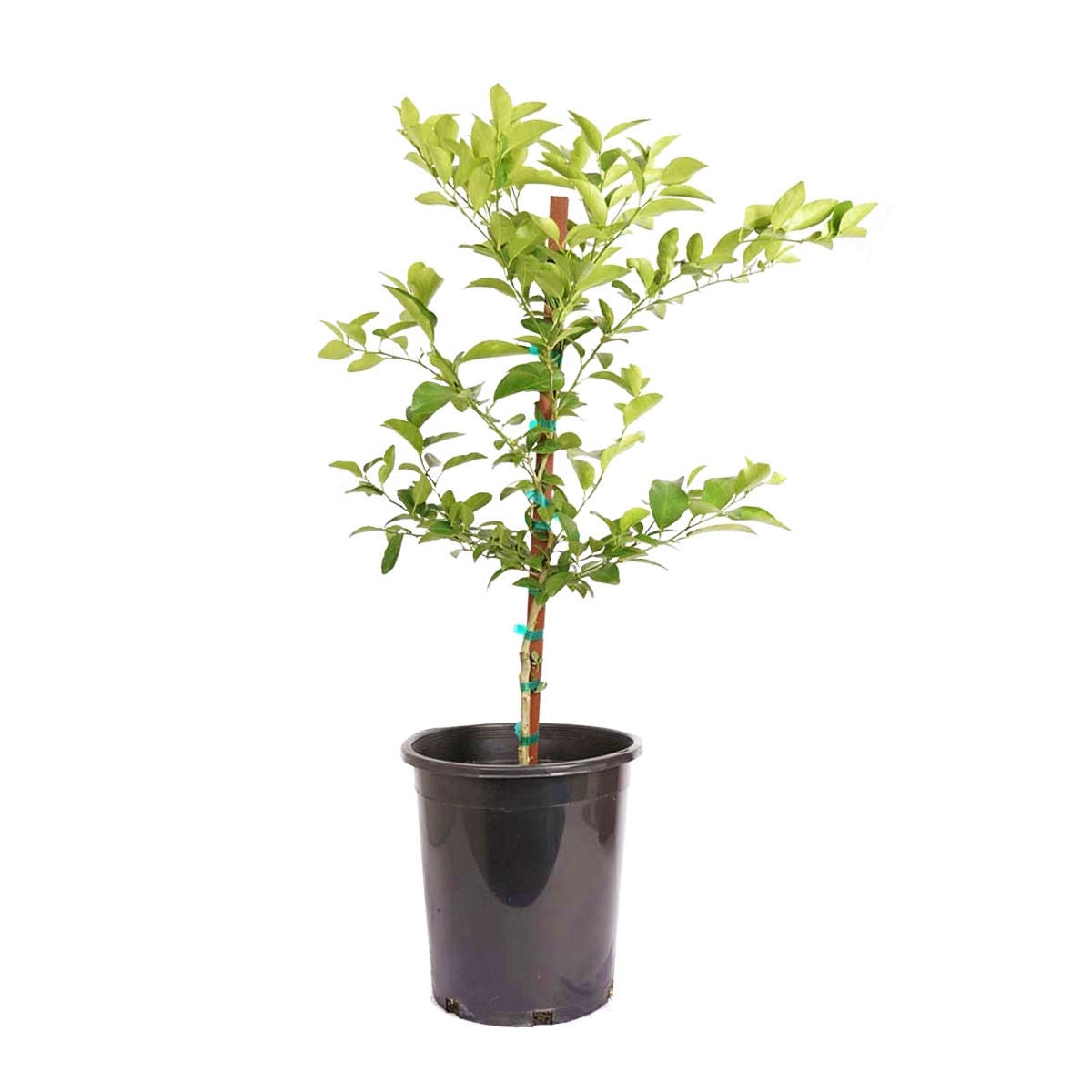
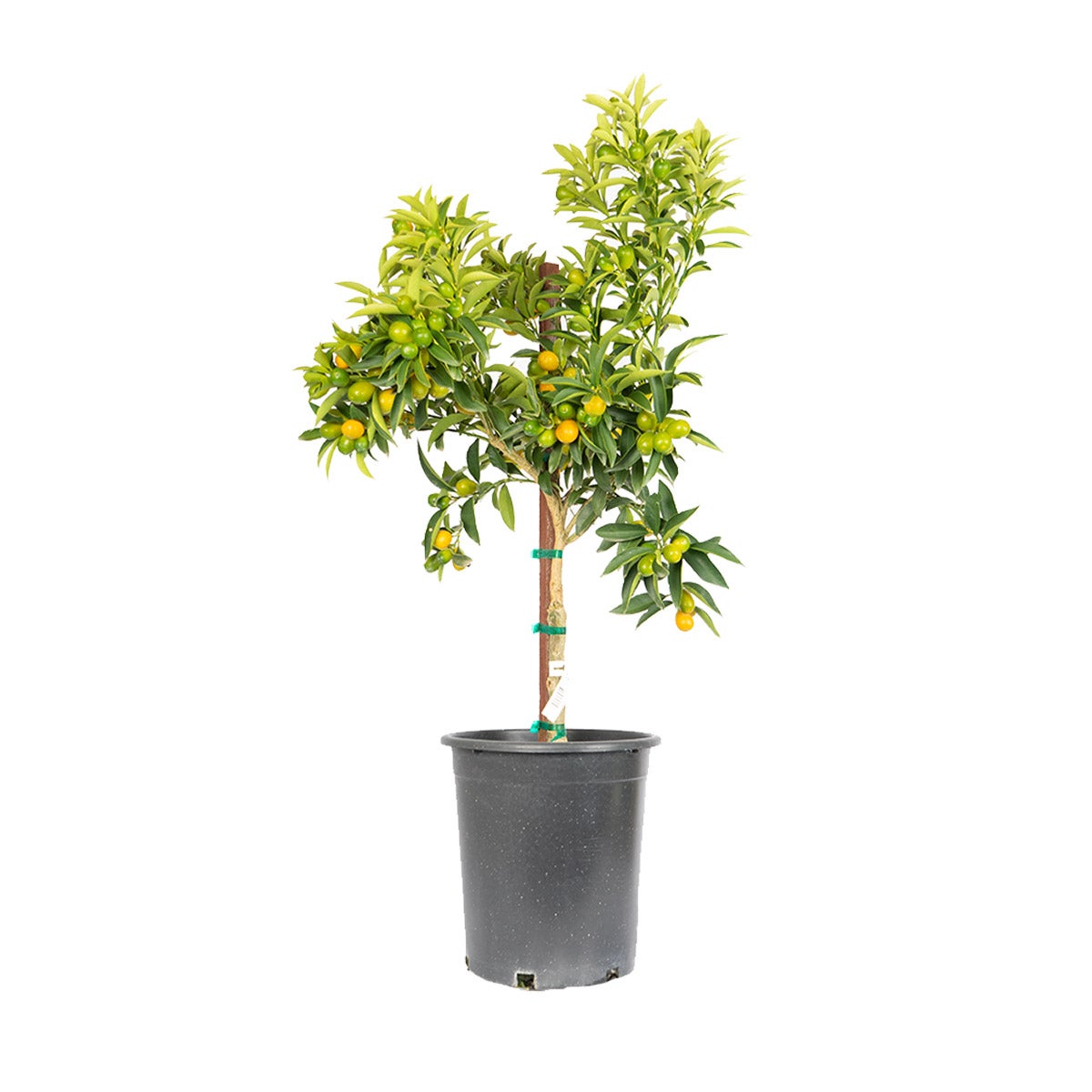
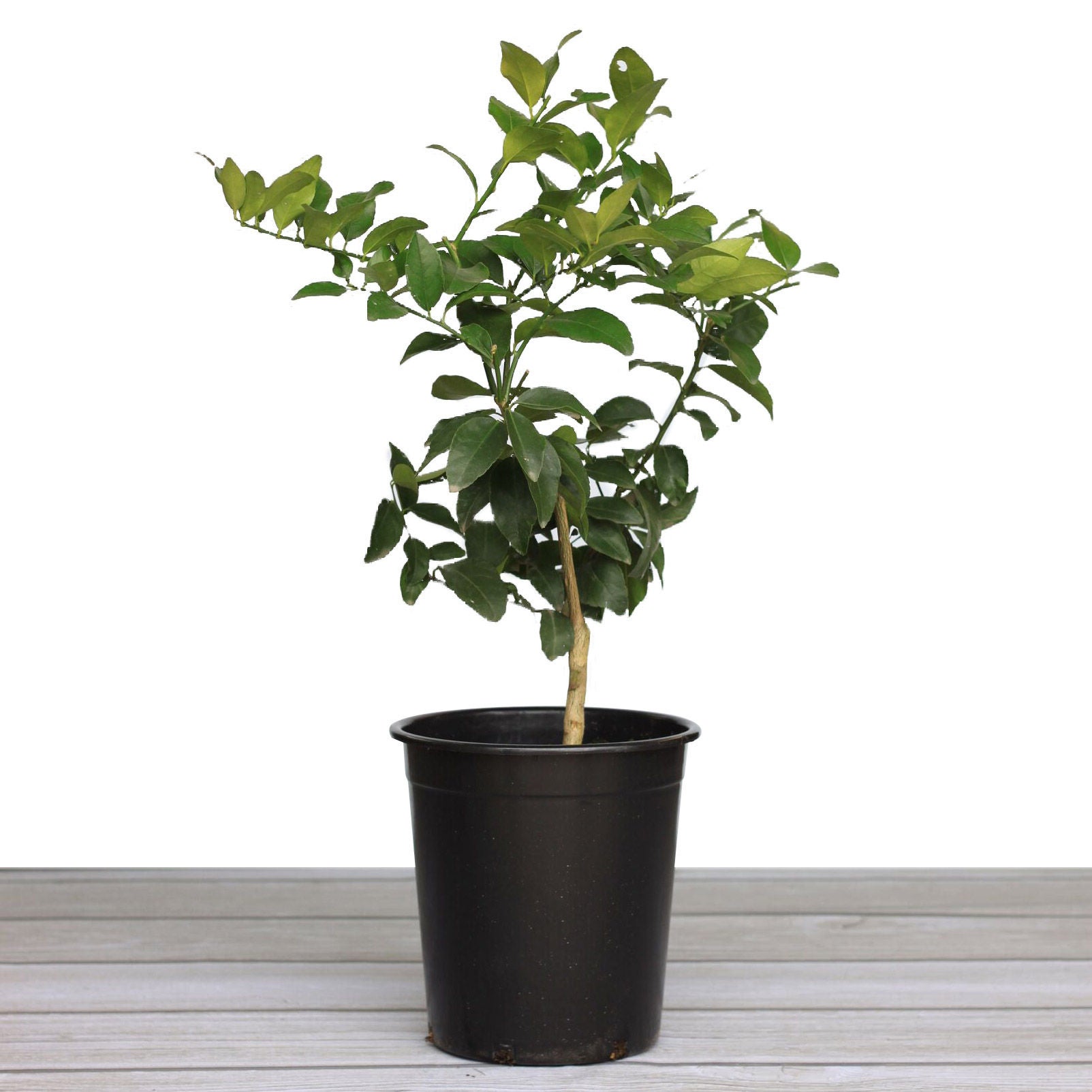
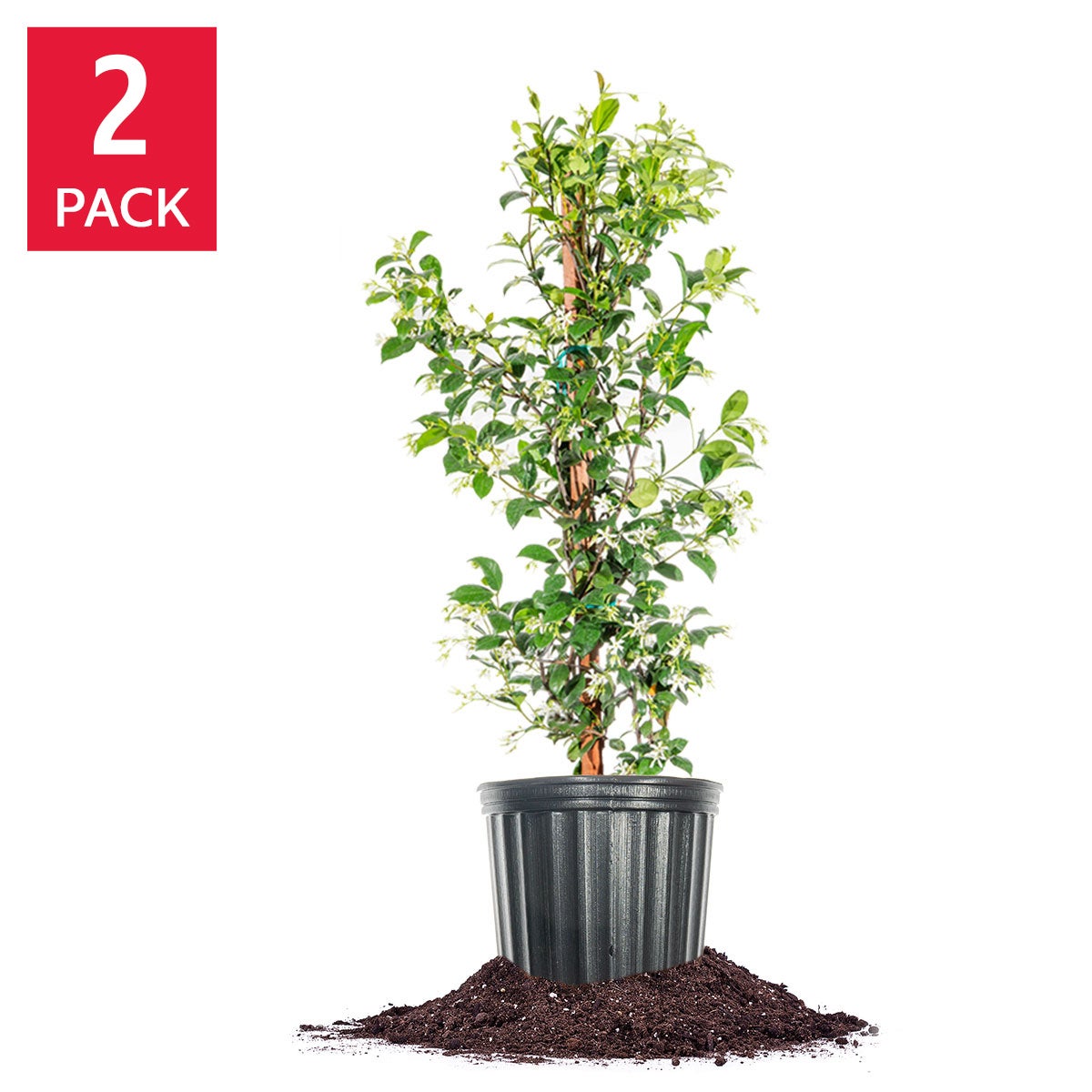
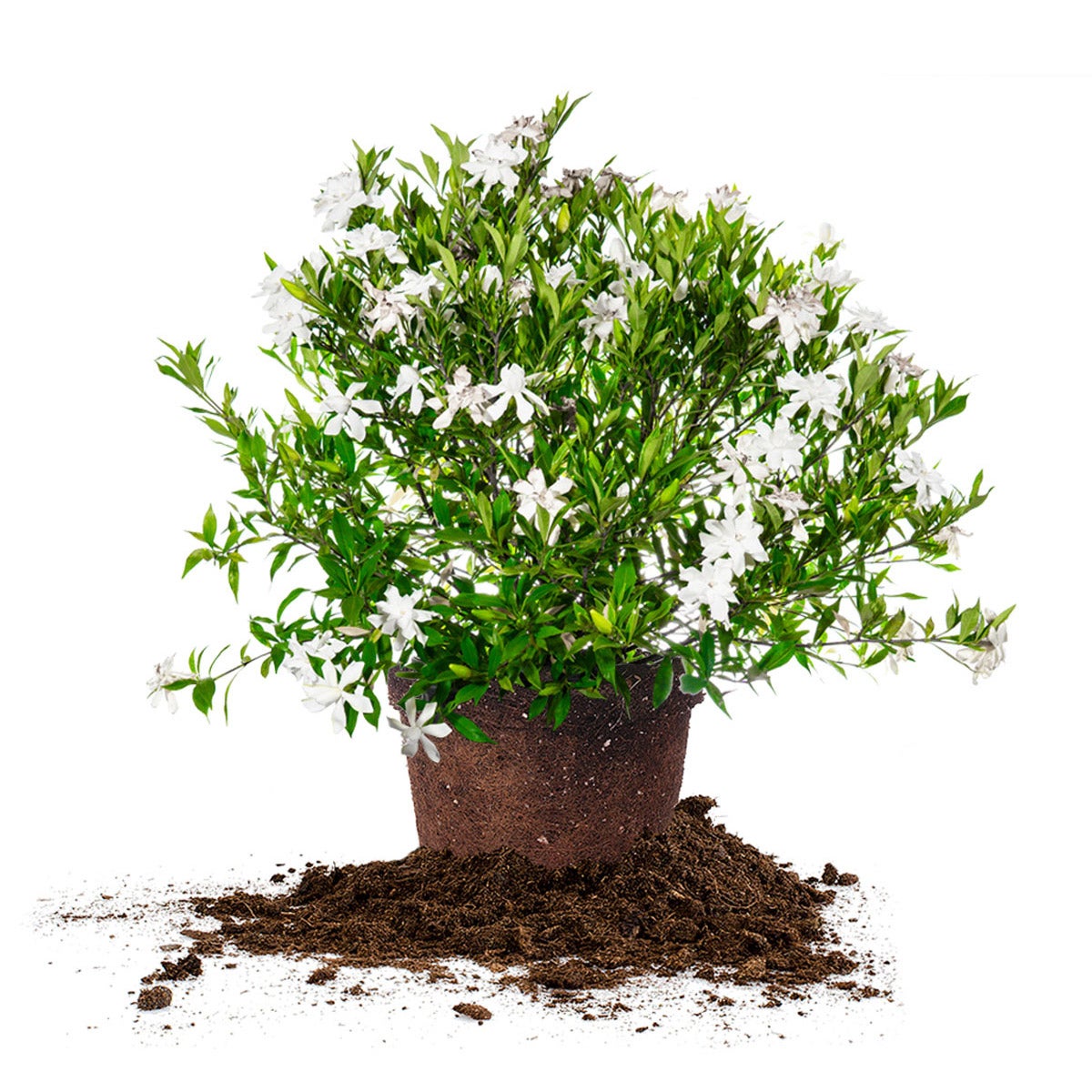
Fruit Trees For Small Gardens
FAQs
-
Most fruit trees prefer full sun, generally at least six to eight hours of direct sunlight each day. Choose a planting spot that receives consistent light throughout the growing season, accounting for shade from fences, buildings, and nearby plants.
-
Some fruit trees are self-fertile, while others need a compatible variety nearby for cross-pollination. Many peaches and sour cherries are self-fertile, while many apples and pears require a pollination partner with an overlapping bloom period. Check the variety's pollination requirements before planting.
-
The best planting time depends on your local climate and whether the tree is bare-root or container-grown. Bare-root fruit trees are typically planted while dormant, often in late winter or early spring when the soil is workable. Fall planting can also be suitable in areas with mild winters.
-
Espalier is a method of training a fruit tree's branches along a flat framework, such as wires or a trellis beside a wall or fence. Apples and pears are common choices for this approach. Creating the branching pattern requires regular pruning and tying new growth to supports over several seasons.
-
Most fruit trees prefer well-drained soil that retains some moisture without becoming waterlogged. Soil pH preferences vary by fruit type, so a soil test can help guide preparation. A layer of mulch can help retain moisture and limit weeds; keep it away from the trunk.