








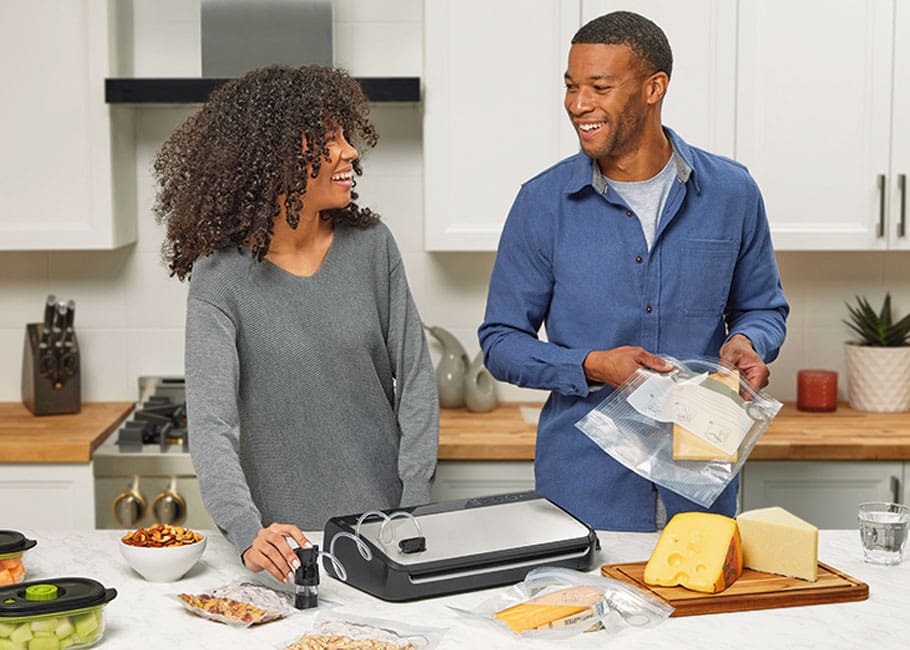
Foodsaver Vacuum Sealing System (Item 3248298; Warehouses, Costco.com)
COURTESY OF FOODSAVER
Waste not
These tips can help you eat better—and save time and money by reducing food waste
The typical family of four tosses out $1,500 worth of food every year, according to the U.S. Department of Agriculture. But food waste isn’t only about frittering away perfectly good food. “It also squanders all of the resources that went into growing the food, like water, energy, labor, land, seeds and fertilizer,” says Anne-Marie Bonneau (zerowastechef.com), a San Francisco Bay Area–based food waste expert.
Yet finding ways to use up all those leftover food scraps can seem overwhelming. “I like to recommend progress, not perfection,” says Rosanne Rust, a Venice, Florida–based registered dietitian and Costco member. “Begin by consciously recognizing what type of food you throw away each week.” Maybe it’s half a loaf of bread, the wilted vegetables in your crisper or little bits of leftover cooking ingredients.
That’s a good place to start. Then, try the following tips. They’ll help you put all that food to good use—and make meal prep easier too.
Planning is everything
You might be surprised that the first step to reducing food waste doesn’t start at home. It begins when you are grocery shopping. “I recommend having a plan for every item you put into your cart,” says Rust. Then, once you get home, store all perishables properly.
For example, leafy greens, like lettuce and spinach, are happiest in the crisper, rolled up in a damp tea towel. Keep berries sweet and delicious by storing them unwashed in their original container on a shelf in the fridge. Got onions, bananas and apples? These healthy staples naturally release a gas called ethylene, which can cause other produce to ripen too quickly, so store them separately. Stash onions in a cool dark place, such as a pantry.
Then place bananas in a bowl on the counter and apples in a plastic bag in the crisper compartment.
A little prep goes a long way
The next step is prep. “Be your own sous-chef and do a bit of prep work when you get home with your groceries,” suggests Bonneau. For example, “when you prepare caramelized onions to top a pizza, cook extra to have on hand in the refrigerator, ready to go into your next dish, like an omelet or sandwich.”
Even if you haven’t been to the supermarket lately, there’s probably an entire meal sitting in your crisper. Why not dice those stray veggies and roast them for a hearty side dish, or toss them into pasta, rice, frittatas and salads? Adding a few “use it up” recipes to your repertoire can also work wonders, says Bonneau. Stir-fries, potpies, chili, quesadillas, stews and soups are all tasty ways to put stray ingredients to work.
Make friends with your freezer
“One of the easiest ways to ensure large amounts of perishable food are eaten is to batch cook and freeze some of the extra food to enjoy later,” says Bonneau. “You’ll not only reduce waste, you’ll also save time by cooking once and eating a few times.” That’s just the beginning. Freezing can add months of life to leftover ingredients. You can even freeze eggs—just crack them open and whisk them well first.
While food will stay safe in the freezer, too much freezer time can cause texture and taste to suffer. A good rule of thumb is to use most foods within three to four months. However, you can freeze uncooked chicken, roasts and chops for up to a year.
Like most things in life, reducing food waste is a matter of habit. “Once you get into the groove of storing food properly and making an effort to notice what in your fridge or pantry needs to be used up, you’ll be on your way to less food waste,” says Rust. “You’ll likely come up with some creative meal solutions too!”
© ЮЛИЯ БОГАТЫРЕВА / STOCK.ADOBE.COM
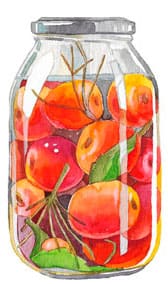
A big dill
Costco members Andrea Wasko and Meaghan Gilbert, creators of a DIY quick pickling kit (quickpicklekit.com), say there’s a safe, simple and natural way to prevent food waste. “Rather than wasting the vegetables that took a lot of time and a lot of energy and resources to grow, pickle them,” Wasko says. Even wrinkled produce that may look past its peak is great to pickle, because the vinegar, water and spices revive them and extend the shelf life up to 30 days, she says.—Christina Guerrero
Sealing the deal
Air can change food’s taste, texture and color and even cause it to spoil. Enter food storage bags, which can help foods stay fresh. When using plastic zip-close bags, place refrigerated food in a new bag, gently press out as much air as possible (when freezing foods, leave a half inch to 1 inch of air space for food to expand) and seal completely. Similarly, a vacuum sealer removes the air from the bag and then uses a heated seal bar to fuse the sides together.—KA
Costco Connection: Kirkland Signature™ Vacuum Sealing Bags (Item 8122017) can be found in Costco warehouses and at Costco.com.

© LISA HANCOCK
Karen Ansel, M.S., RDN, is a New York City–based journalist and author specializing in health, nutrition and fitness.