



Searing Steaks
Browse cooking essentials for searing steaks and building a flavorful, browned crust. When comparing options, look for suitability for high-heat cooking, compatibility with your cooking setup, and enough cooking space for the portions you typically prepare.
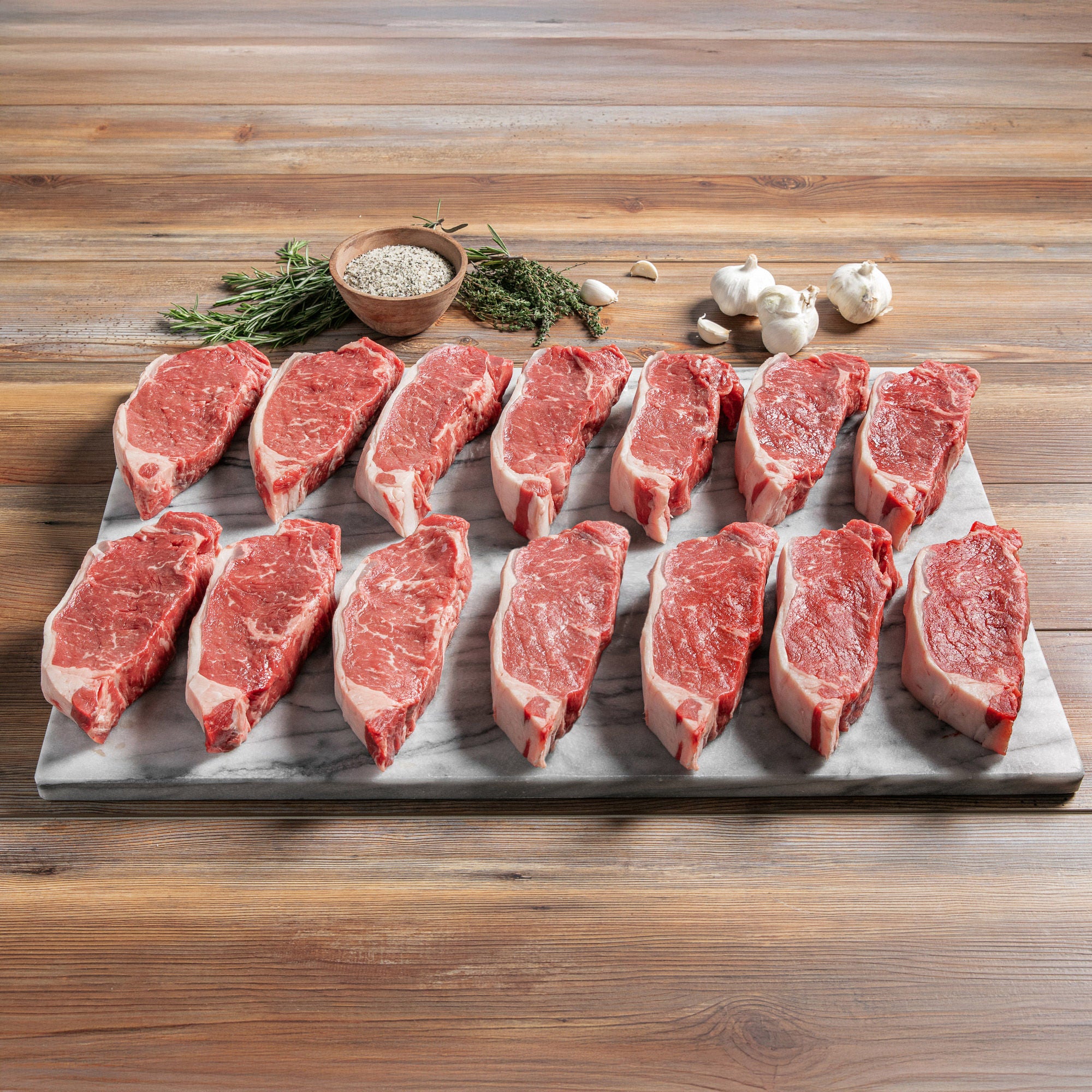
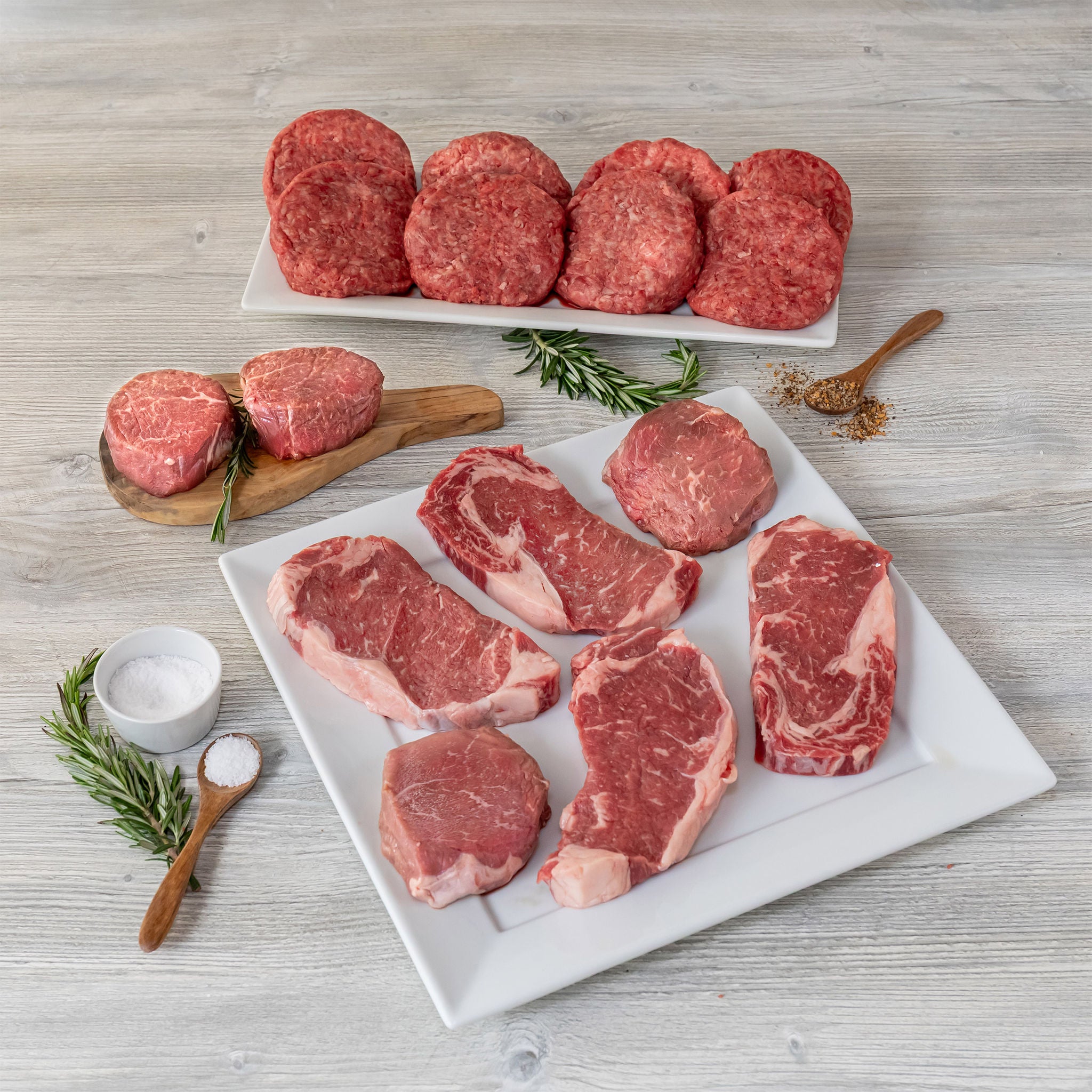
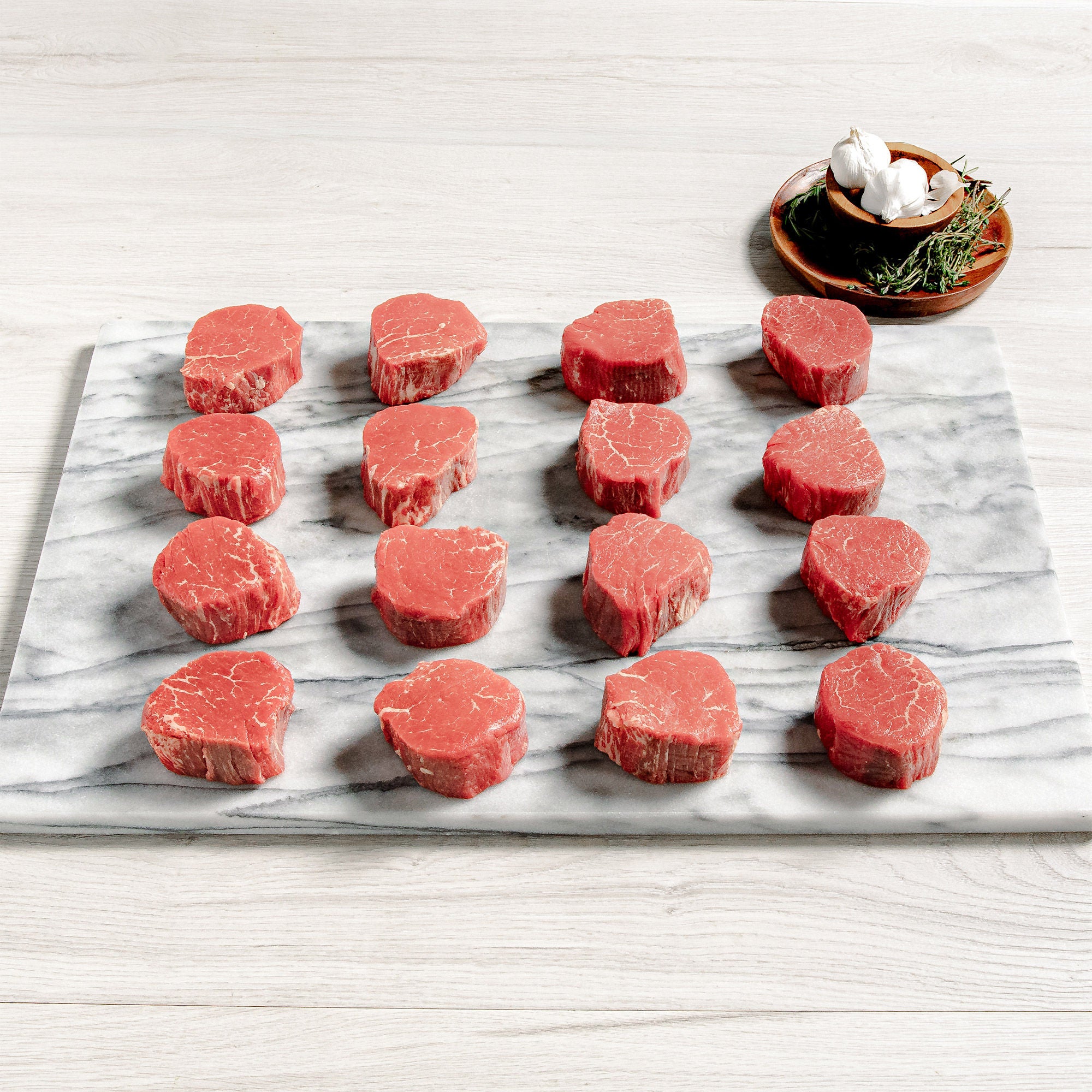
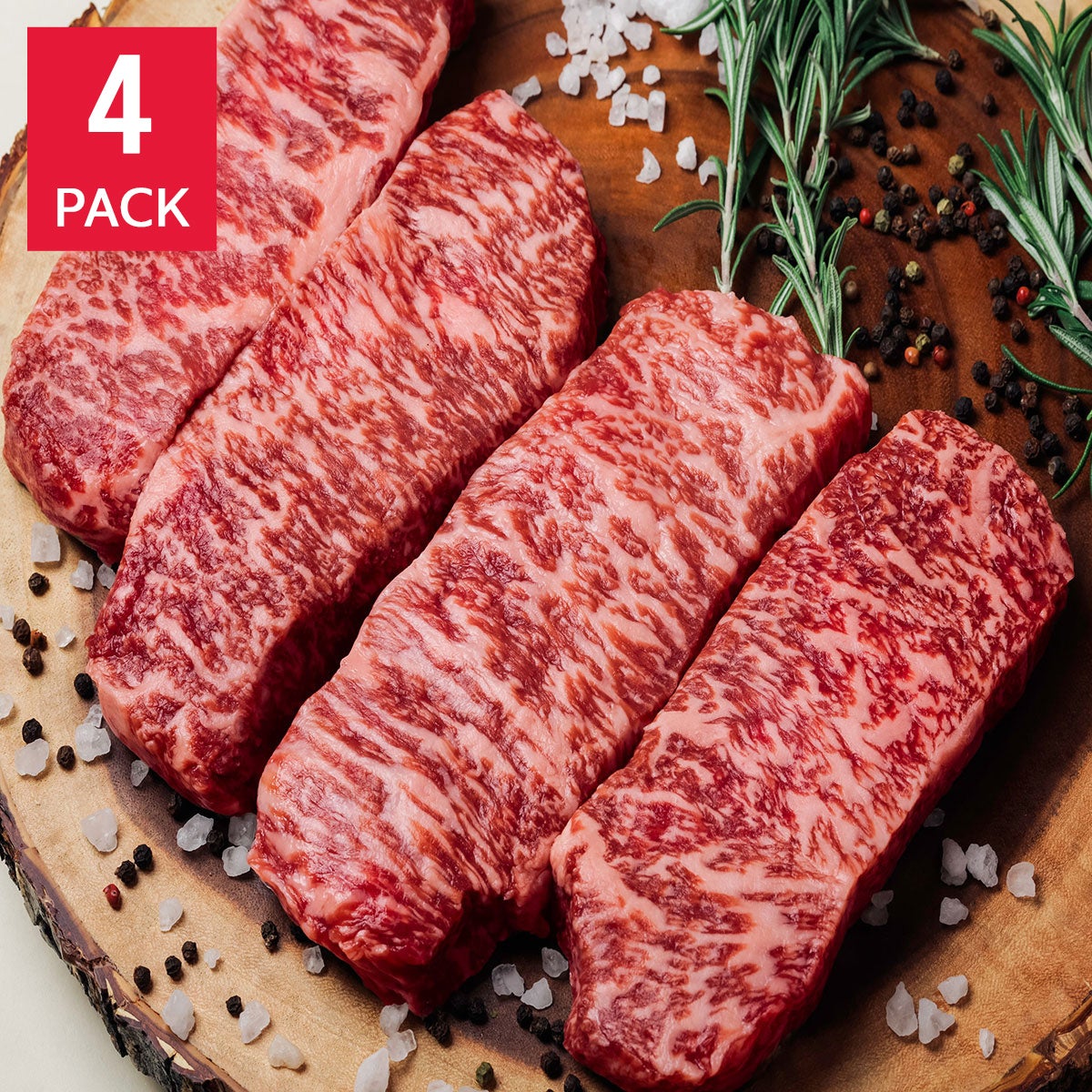
Top Rated Items
Shop Related Pages
Searing Steaks
FAQs
-
Searing uses intense, direct heat to create a browned crust, often through contact with a hot pan or griddle. Grilling cooks steak over a heated grate and can add charred notes. You can also sear a steak on a grill before moving it to a lower-heat area to finish cooking.
-
Cast iron and stainless steel pans are common choices for stovetop searing. Cast iron retains heat well, while stainless steel develops browned bits that can become the base for a pan sauce. A flat griddle provides another cooking surface for searing.
-
Pat the surface dry to remove excess moisture, then season with salt. A dry surface encourages browning rather than steaming. Use a light coating of cooking oil, and reserve butter for the final stage of cooking to help keep it from scorching.
-
Refined avocado, canola, and grapeseed oils are common options because their neutral flavors and high smoke points suit high-heat cooking. A thin coating helps the steak make even contact with the cooking surface without overwhelming its flavor.
-
A reverse sear starts with gentle cooking in an oven or over indirect grill heat, followed by a brief, high-heat sear. Unlike searing first, this method leaves crust development until the end. It offers another way to combine a browned exterior with your preferred interior doneness.