



Security Cameras For Rural Properties
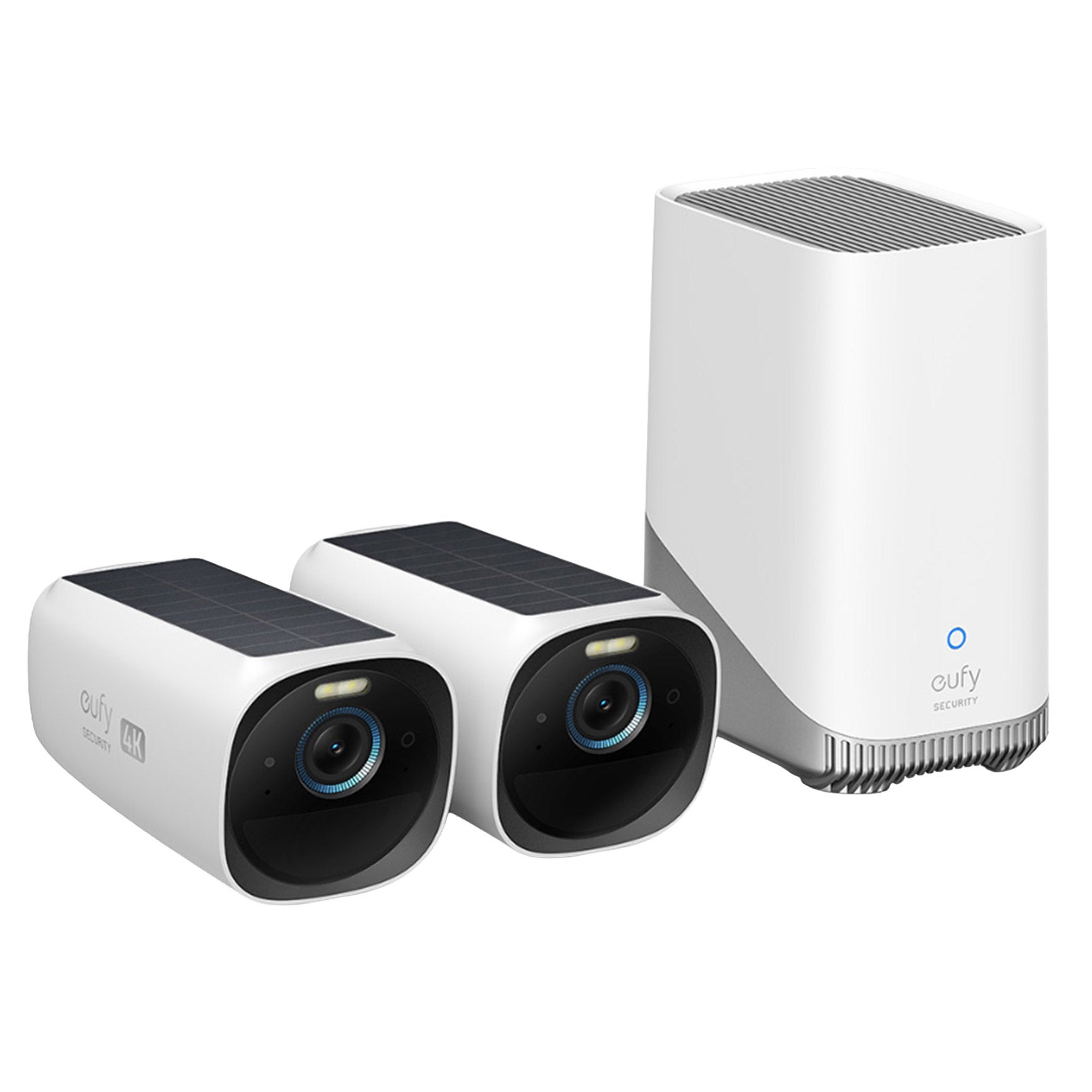
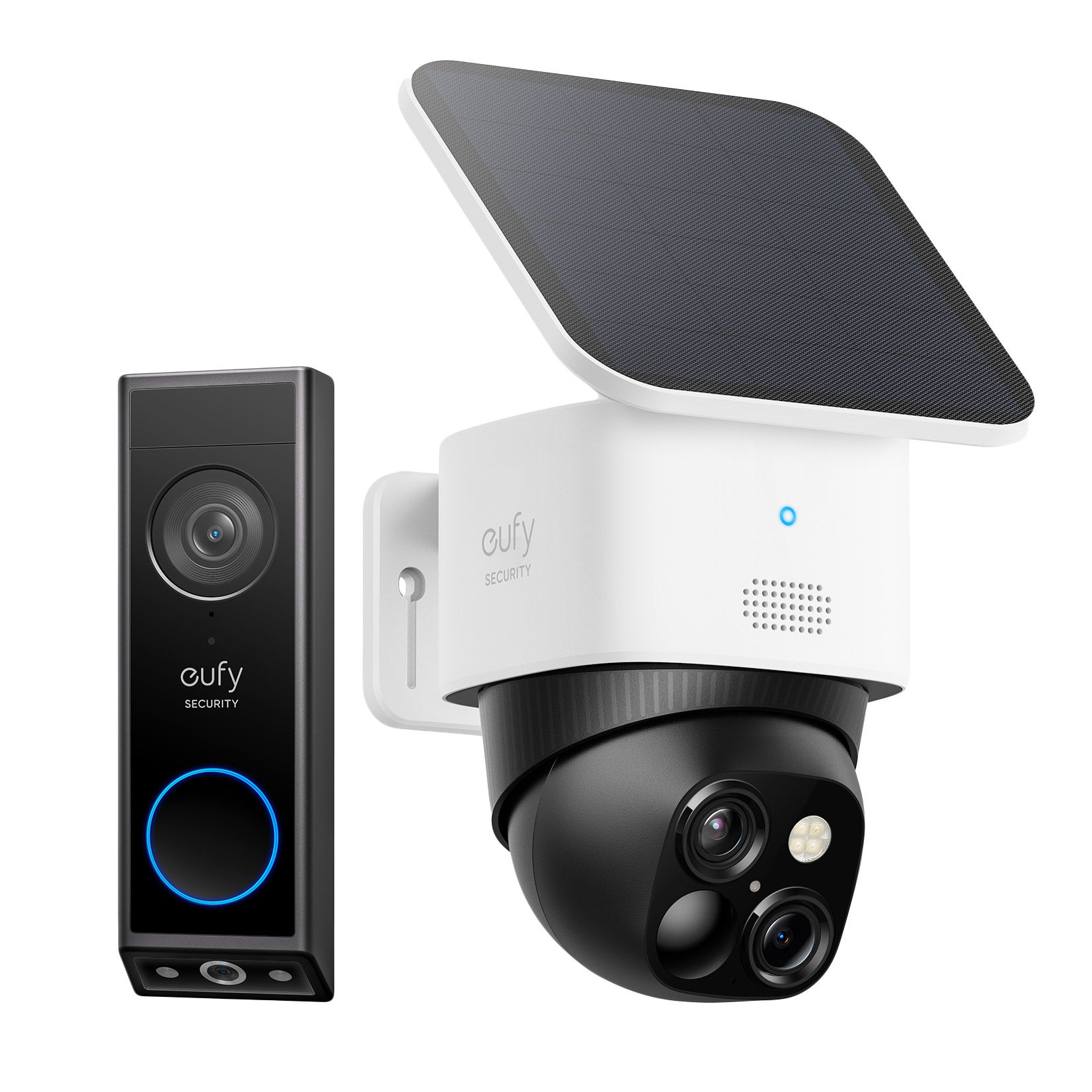
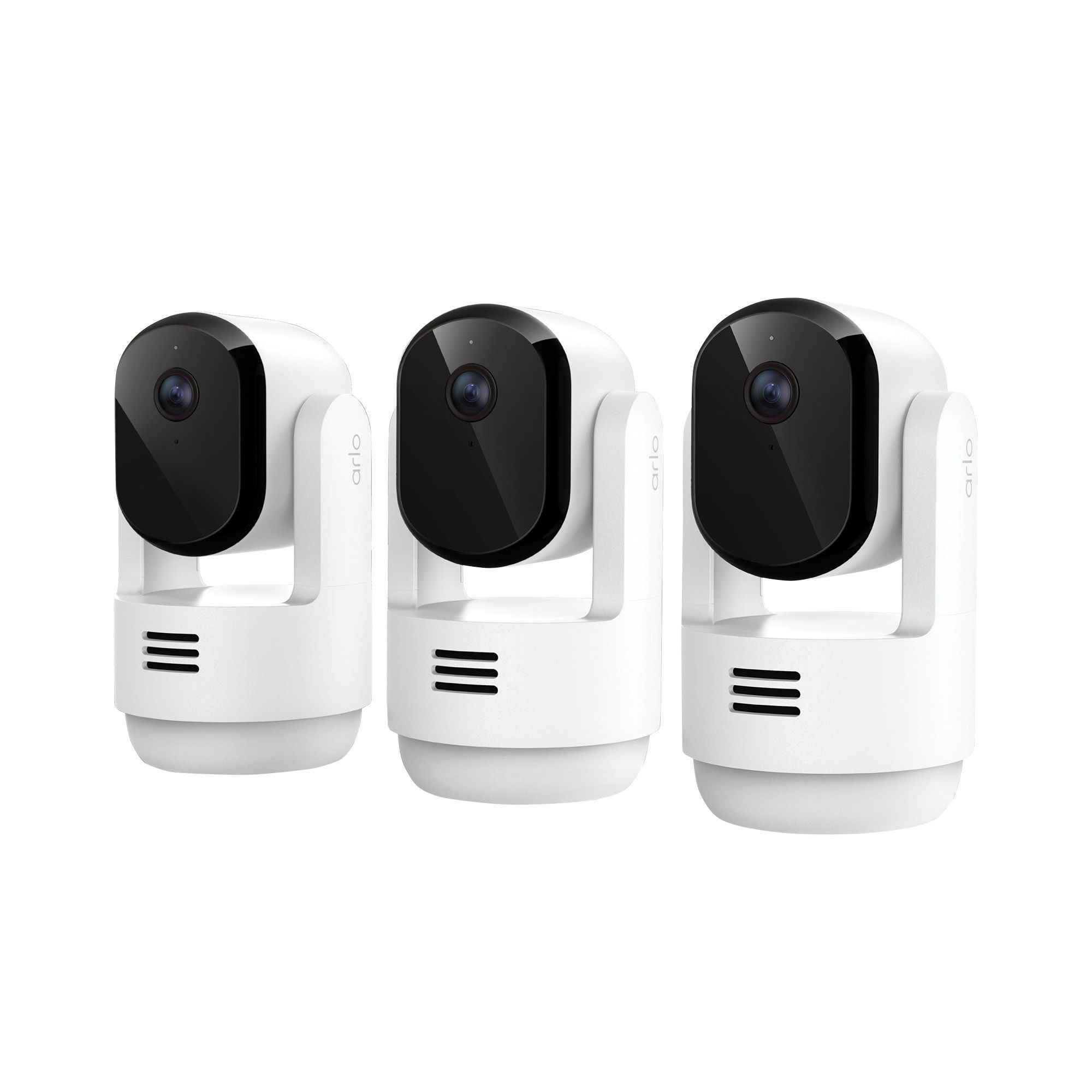
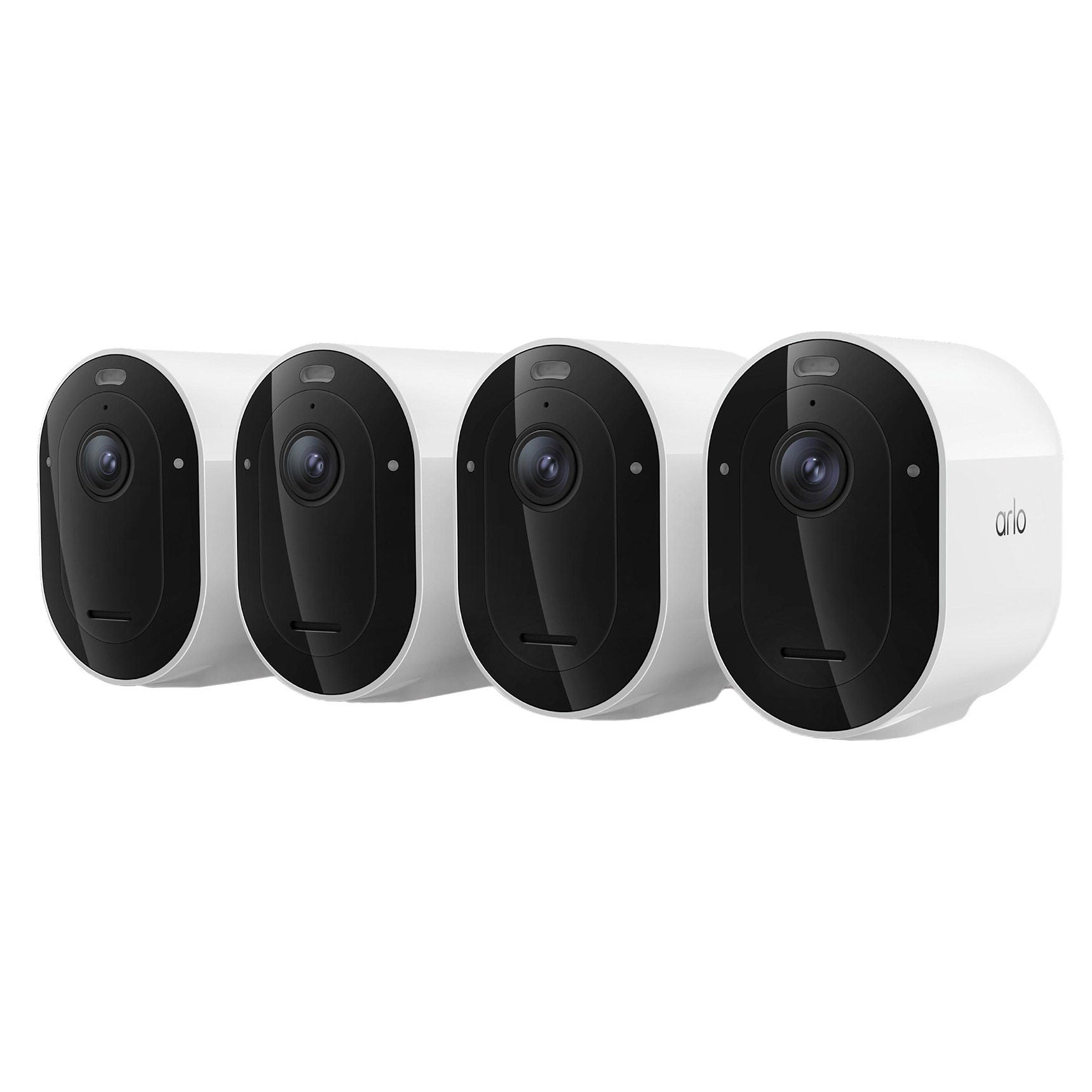
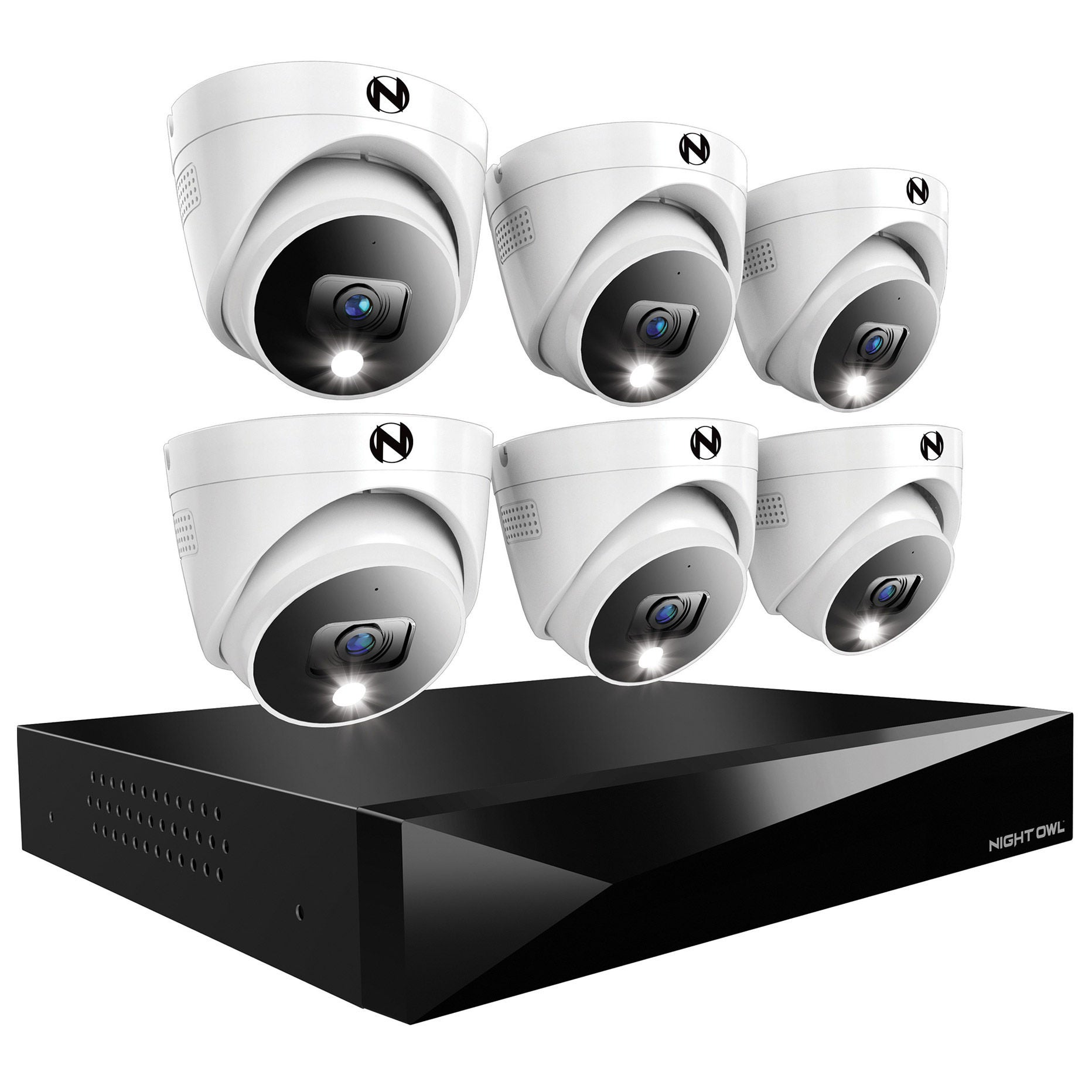
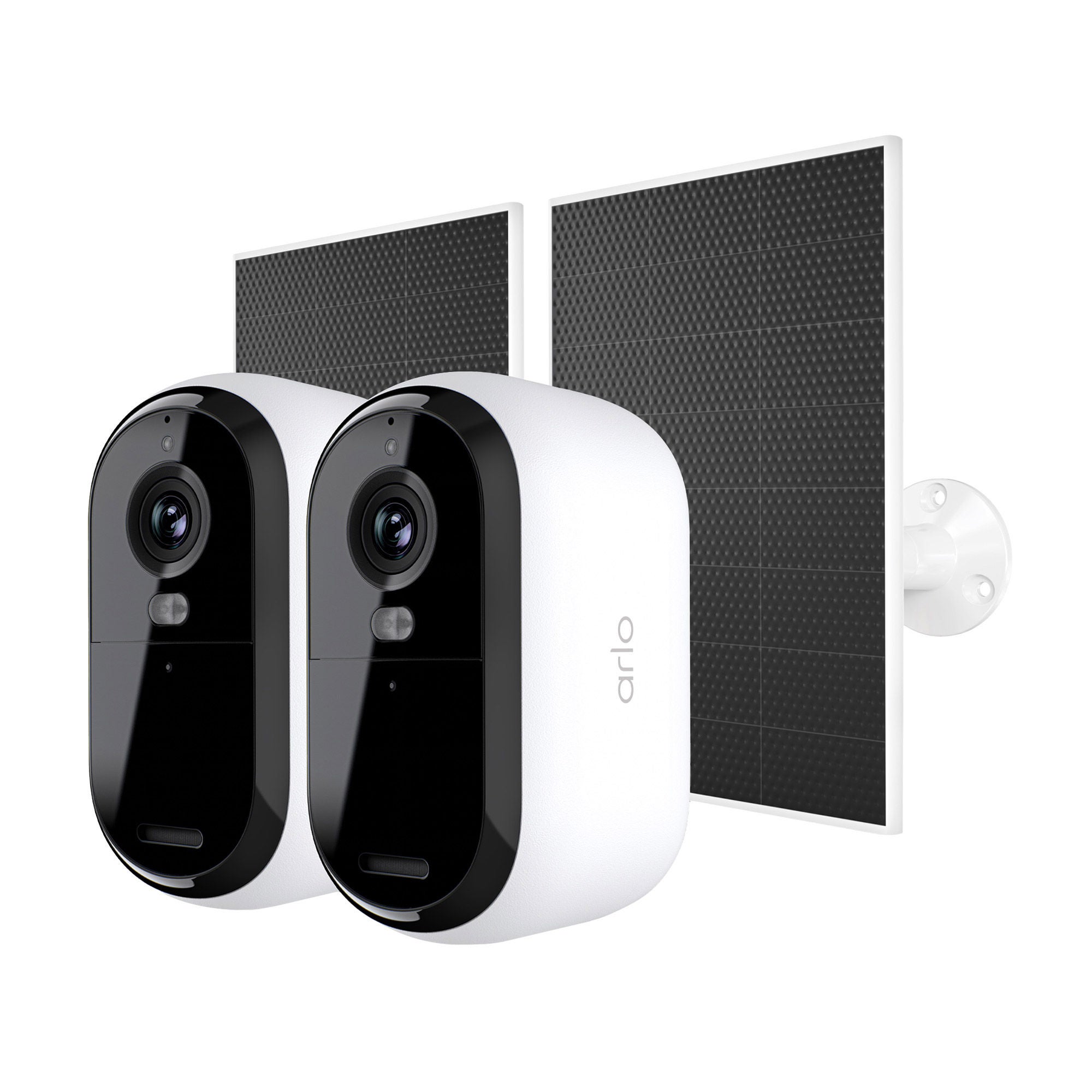
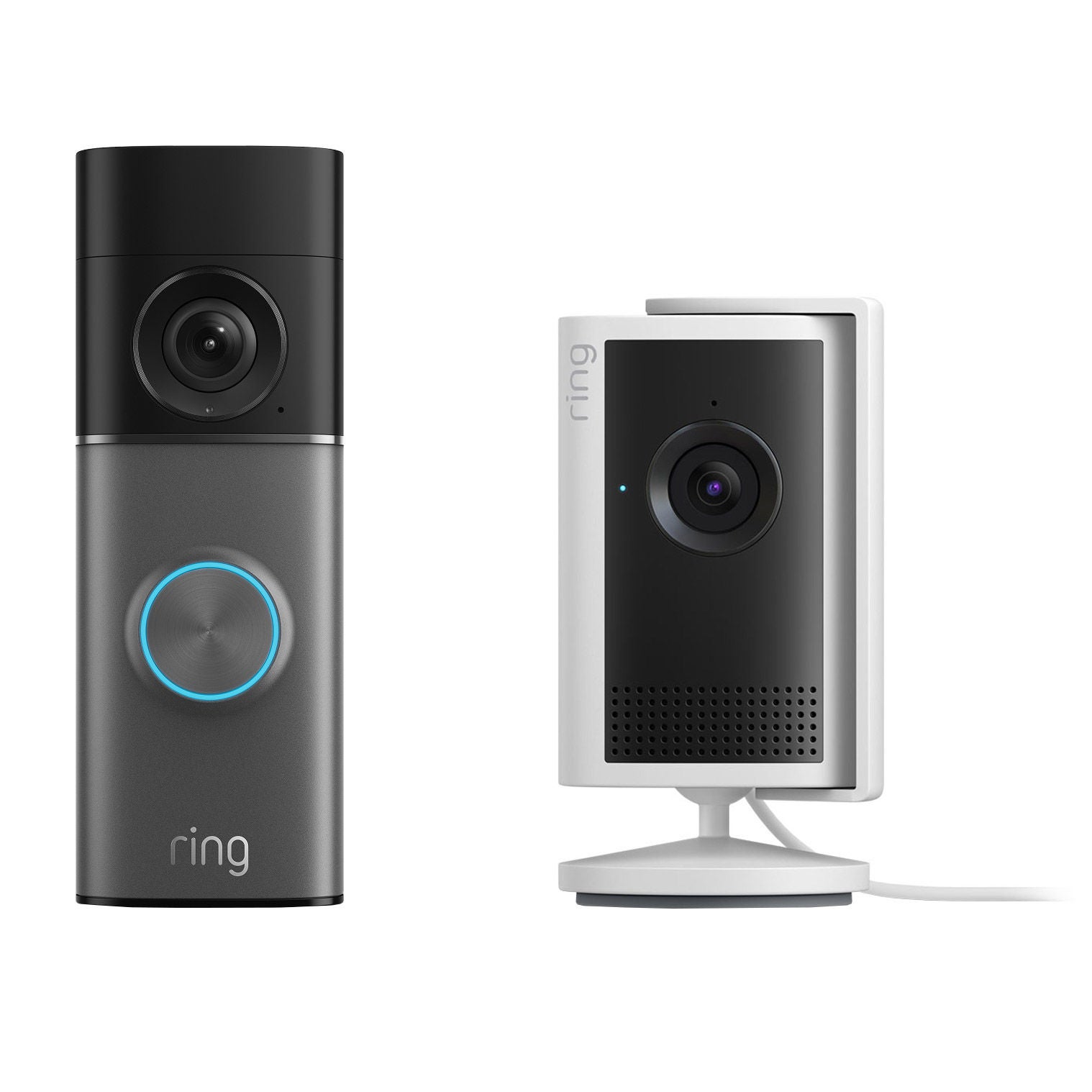
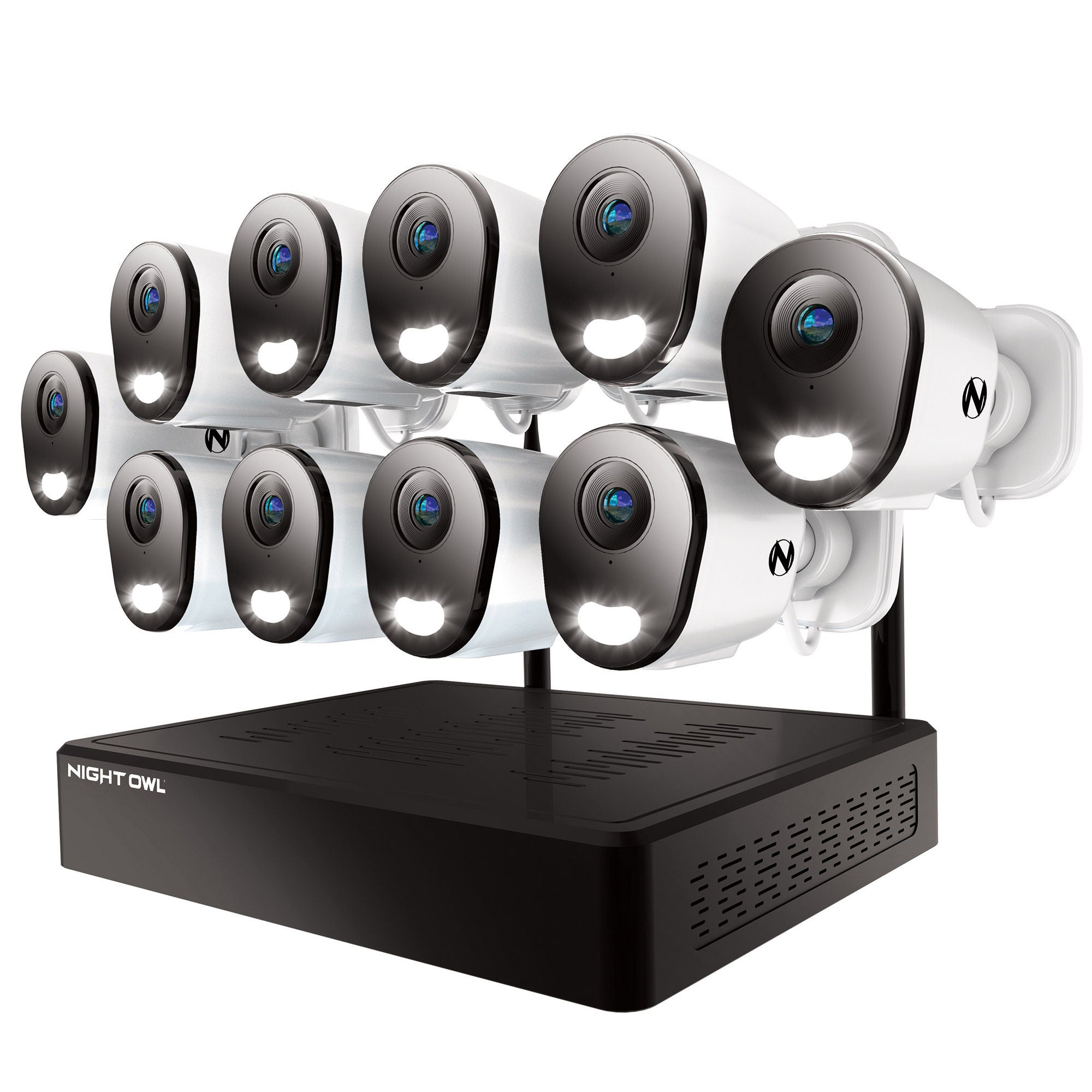
Explore security cameras for rural properties with your driveway, outbuildings, and property access points in mind. Compare camera options based on coverage area, power requirements, and connectivity to find a setup that fits your property’s layout and the distances between the areas you want to monitor.



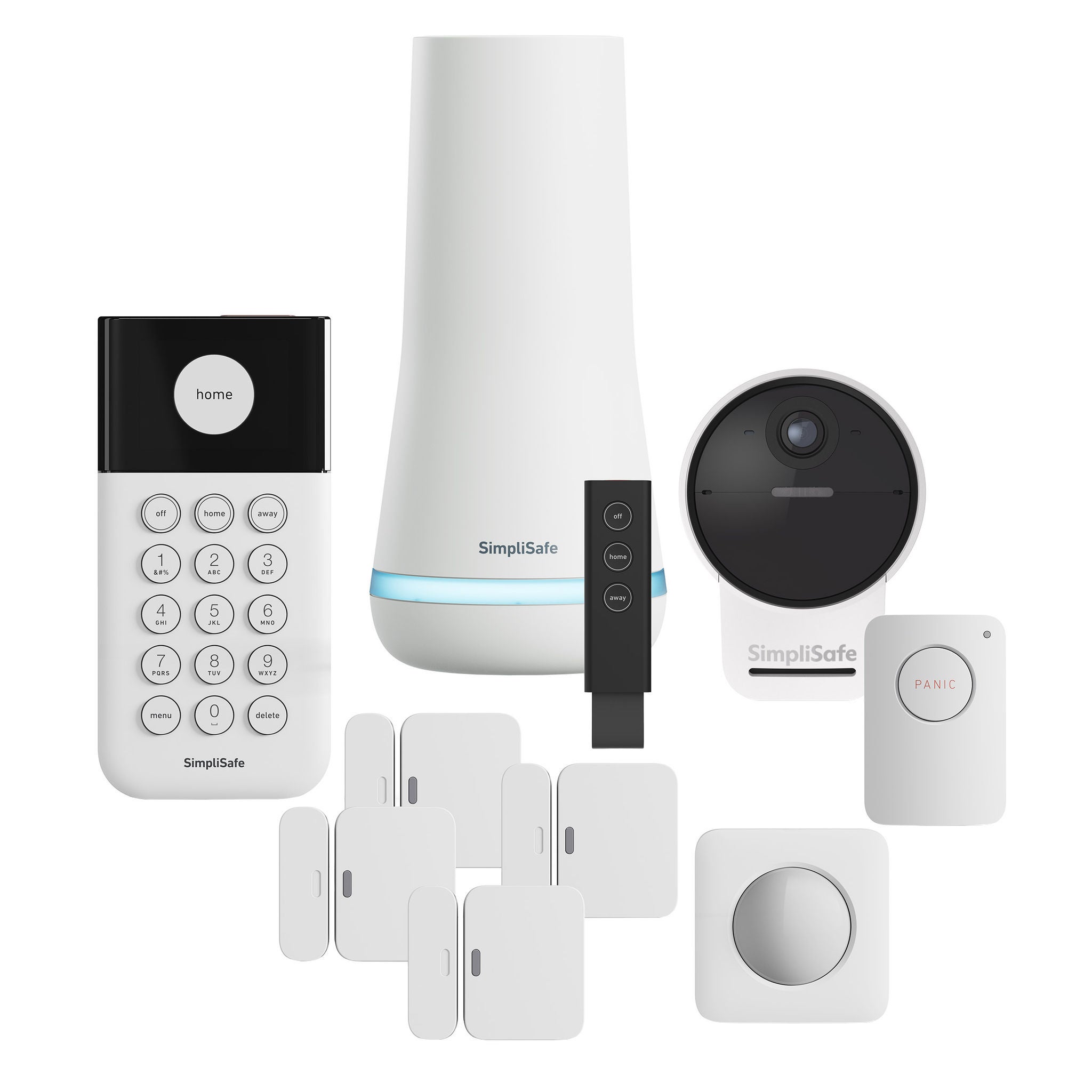
Security Cameras For Rural Properties
FAQs
-
Common connection types include Wi-Fi, wired Ethernet, and cellular. Wi-Fi cameras connect through a property's wireless network, while Ethernet models use a cable connection. Cellular cameras use a compatible mobile network and typically require a data plan. Connection requirements vary by model.
-
Security cameras may use plug-in adapters, rechargeable batteries, compatible solar panels, or Power over Ethernet (PoE). PoE carries power and data through one Ethernet cable when paired with compatible equipment. For locations without electrical outlets, review the camera's battery and solar accessory requirements.
-
Local recording stores footage on media such as a memory card or a connected recorder. Cloud recording uploads footage to an online account and generally requires an internet connection. Some camera systems offer both options. Recording schedules, playback tools, and account requirements vary by system.
-
Depending on the model, cameras may attach to walls, eaves, ceilings, or compatible pole mounts. Mounting a camera on a barn, detached garage, or outbuilding involves checking bracket compatibility, the mounting surface, and cable routing. Outdoor installations also require equipment rated for the expected weather conditions.
-
Some camera platforms let you manage cameras at a house, barn, and other outbuildings through one account. Available tools may include camera names, location groups, recording schedules, and shared account access. Check platform compatibility, since cameras from different brands do not necessarily work within the same app.