



Scented Perfumes
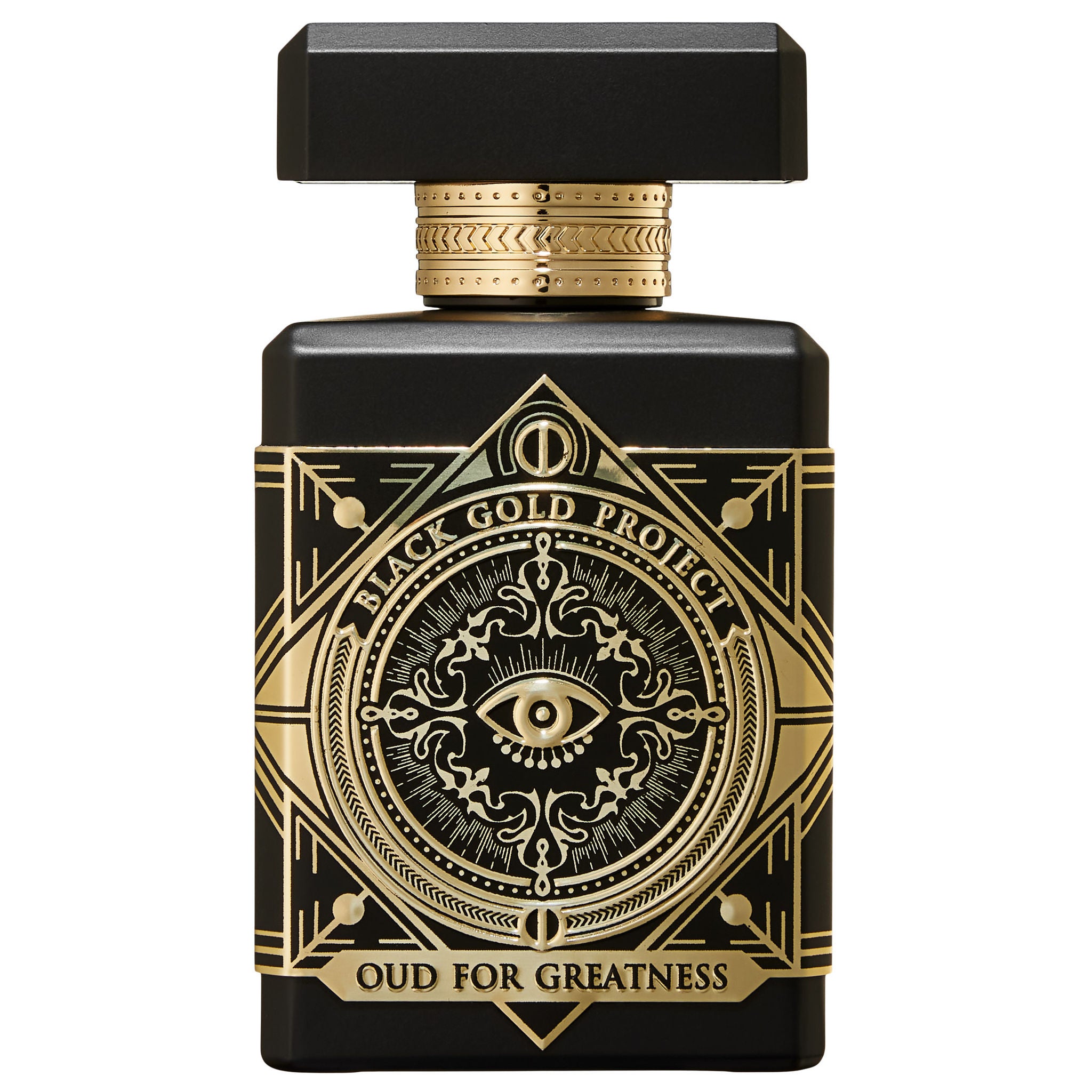
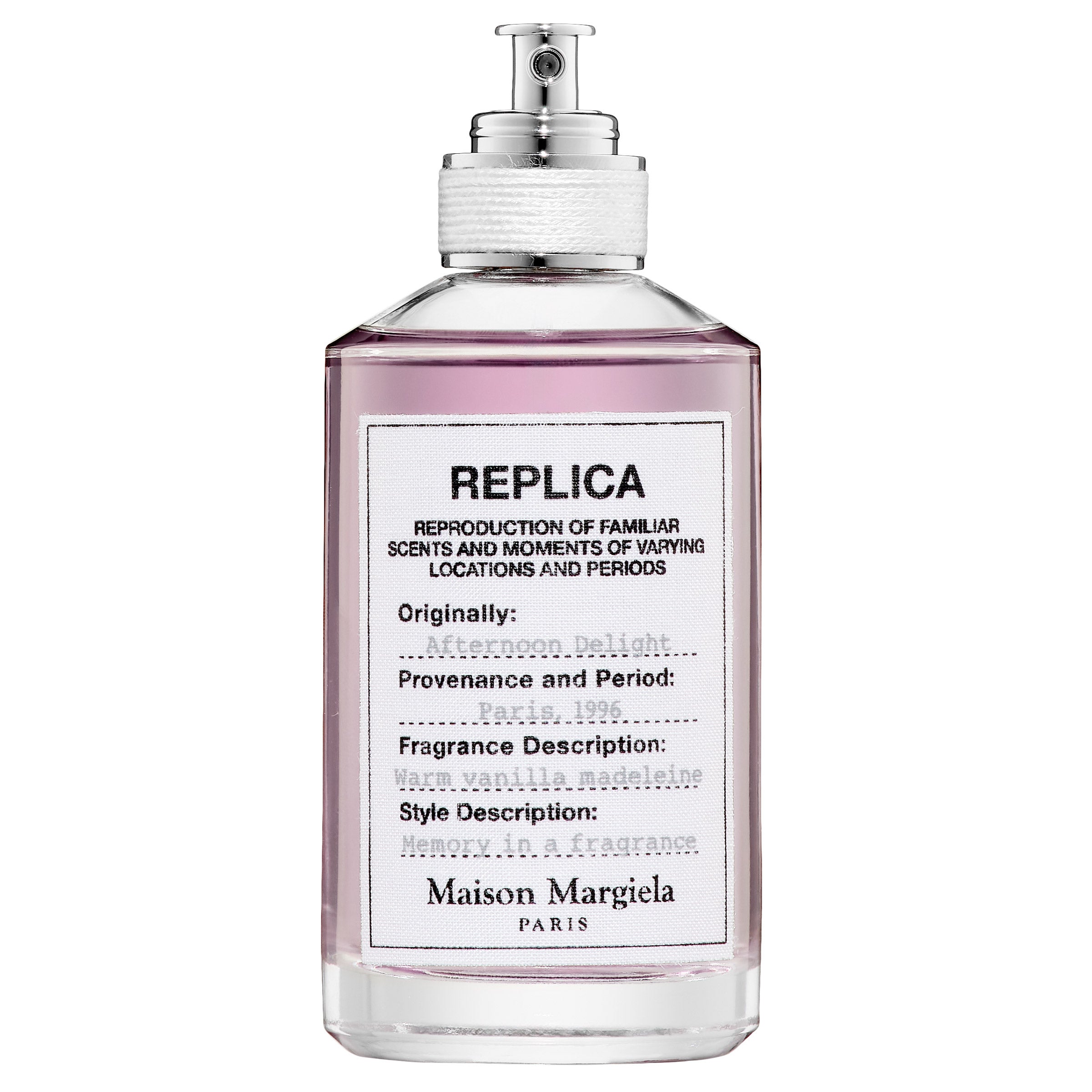
Explore scented perfumes to find a fragrance that suits your personal style. Compare available options by scent description, bottle size, and fragrance concentration to help narrow your choices, whether you’re looking for an everyday signature or something for special occasions.
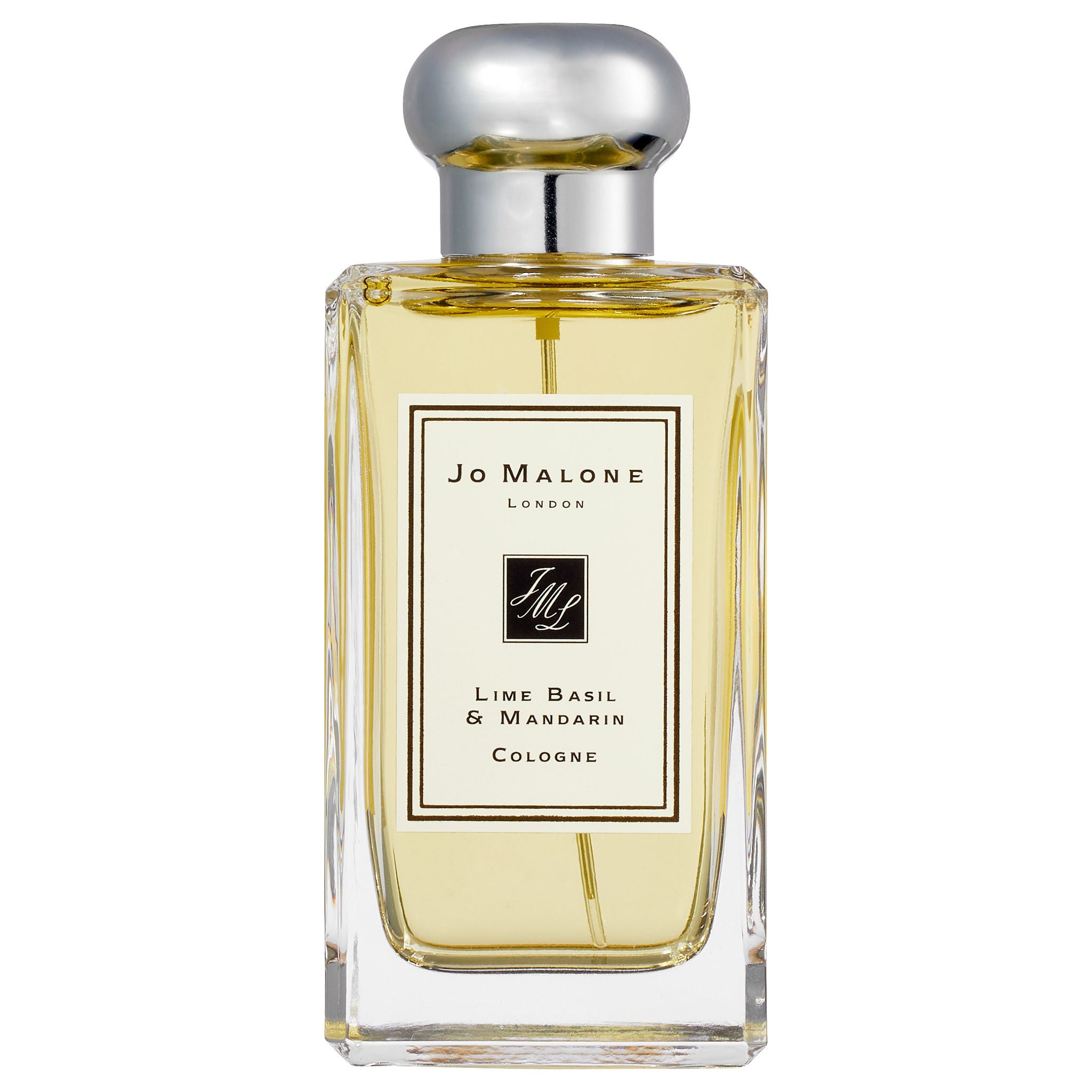
Shop Related Pages
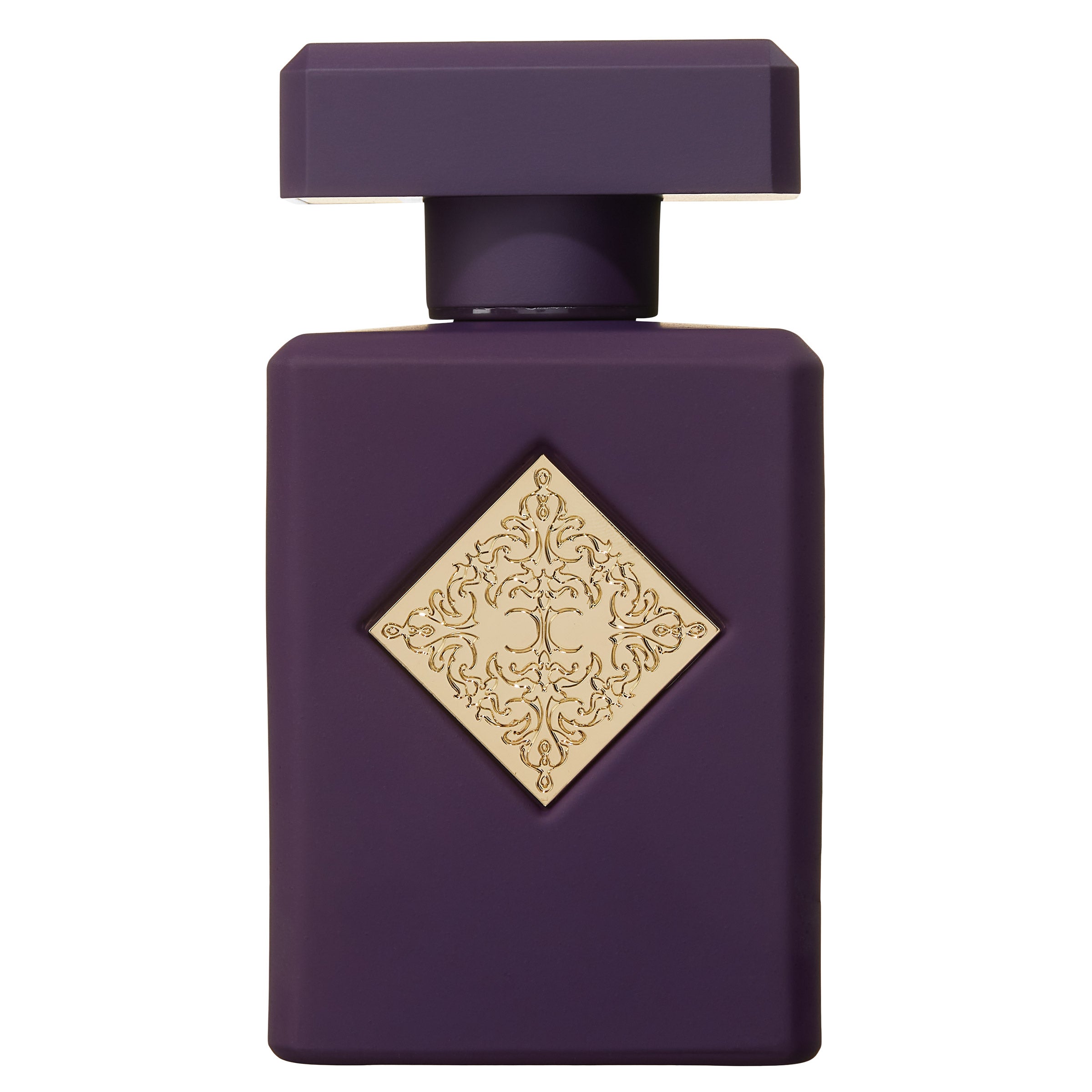
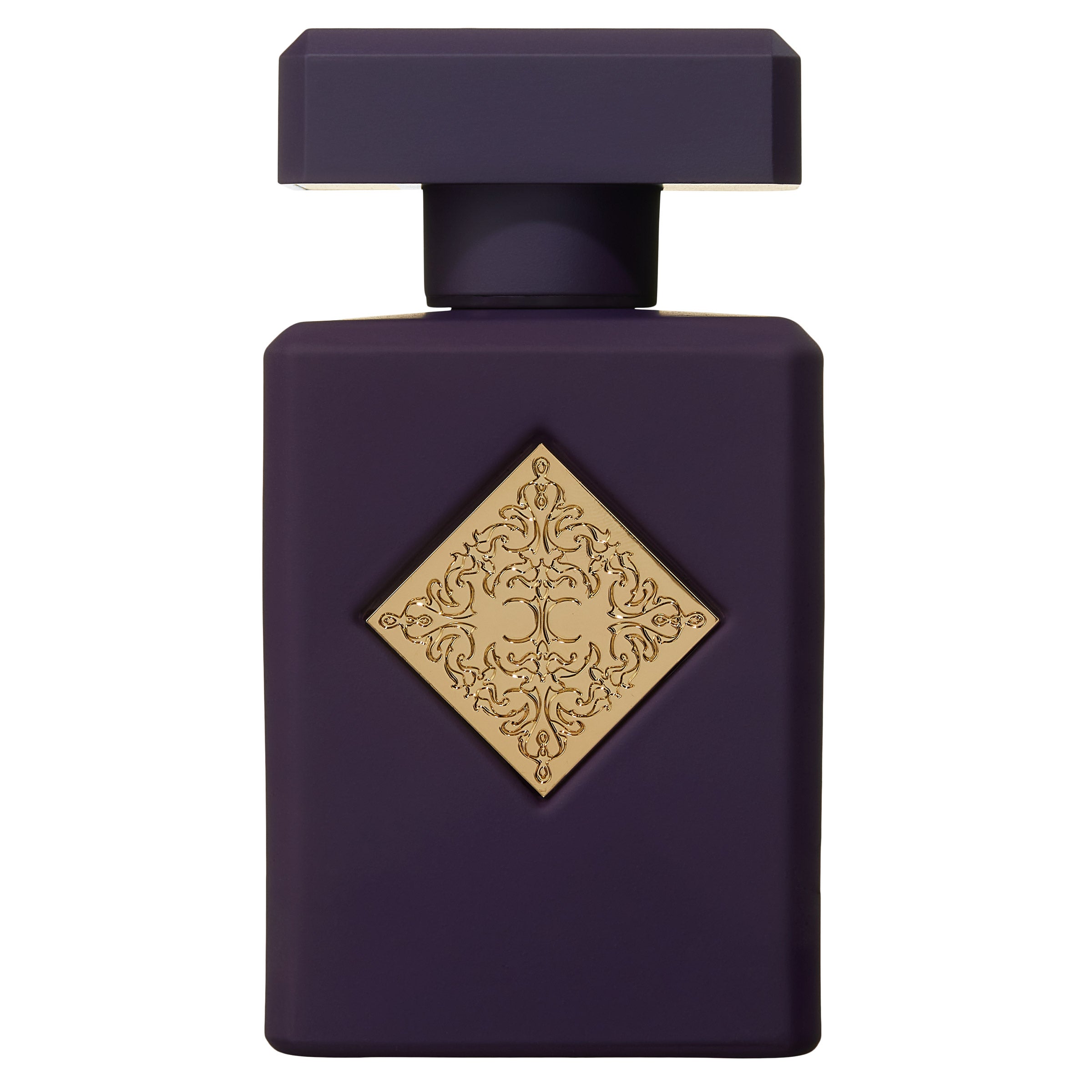
Scented Perfumes
FAQs
-
Common fragrance families include floral, fresh, woody, and amber. Floral scents highlight notes such as rose or jasmine, while fresh fragrances often feature citrus or green notes. Woody perfumes emphasize notes such as cedar or sandalwood, and amber fragrances tend to feature warm, rich notes such as vanilla or resins.
-
Top notes create a perfume's opening impression. Middle notes, also called heart notes, emerge as the opening notes fade and shape the fragrance's central character. Base notes provide depth and form the final stage of the scent.
-
Eau de parfum generally contains a higher concentration of fragrance oils than eau de toilette. Eau de toilette often has a lighter composition, while eau de parfum may feel richer. The exact concentrations and scent profiles vary by fragrance.
-
Start with aromas you already enjoy, such as citrus, flowers, woods, or vanilla. Look for those notes in fragrance descriptions, then consider whether you prefer an airy, crisp, soft, or rich scent. Fragrance families offer a useful starting point for exploring your personal style.
-
Single-note perfumes are designed to emphasize one recognizable aroma, though they may contain several ingredients. Fragrance blends bring multiple notes together, creating a composition that may reveal different facets over time. The choice comes down to whether you prefer a focused scent or a more layered fragrance.