



Home Backup Generators
Explore home backup generators to help keep essential appliances and household systems running during a power outage. Compare power output, fuel requirements, and installation needs to find a backup power option that fits your home and the equipment you want to support.
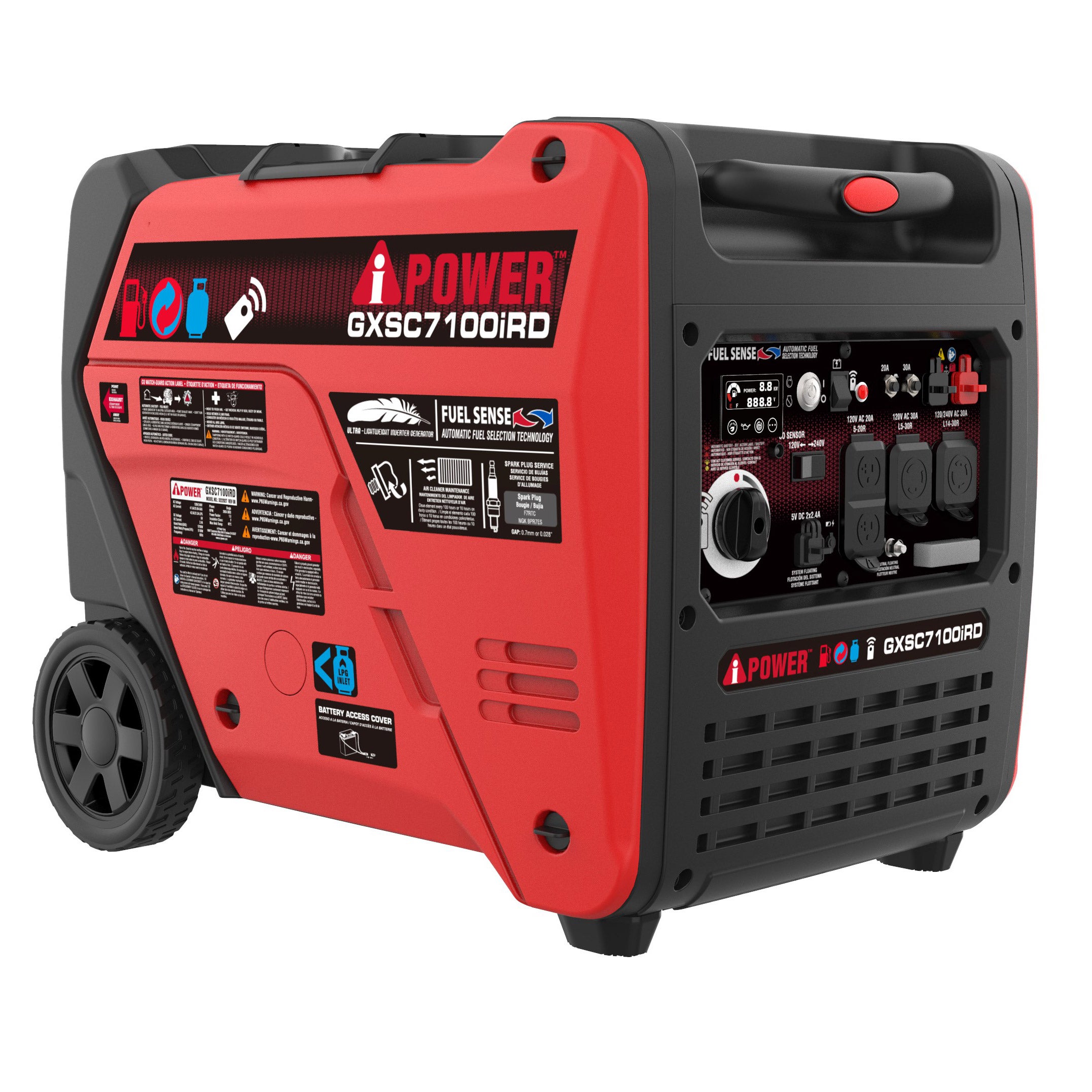
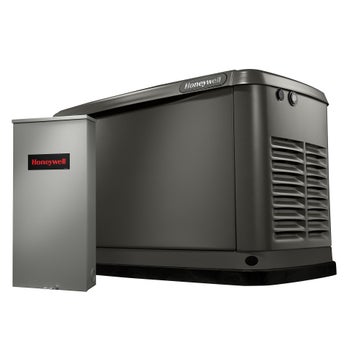
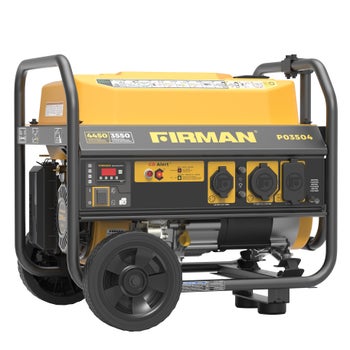
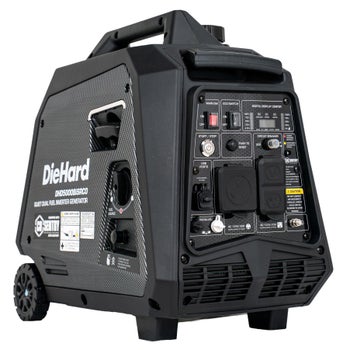
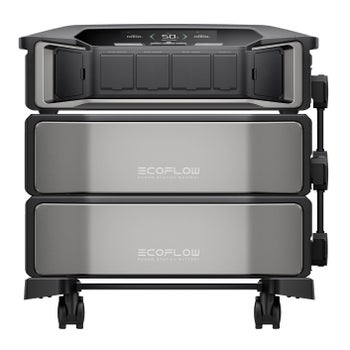
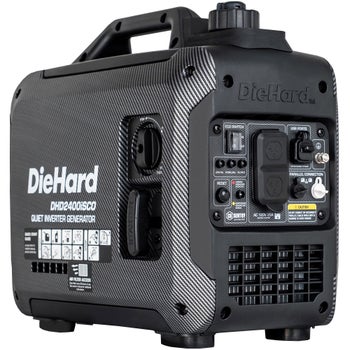
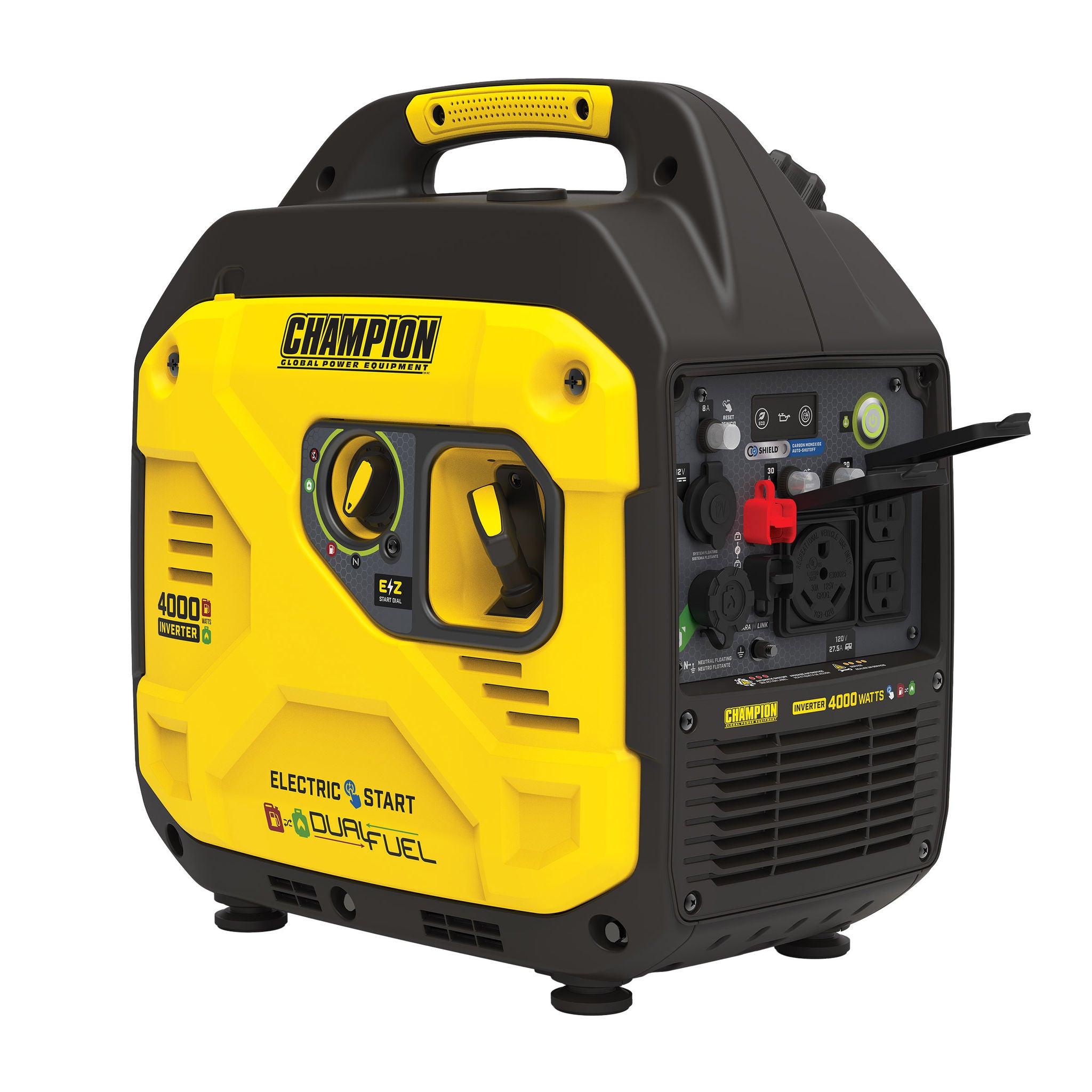
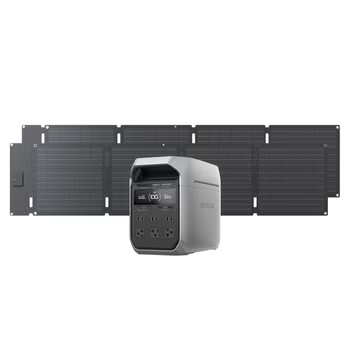
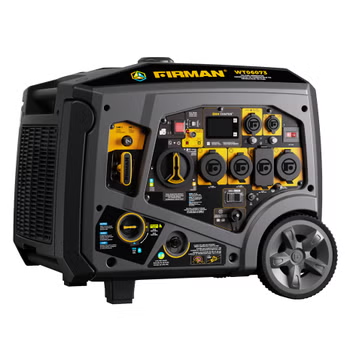
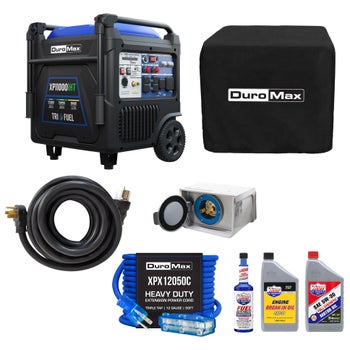
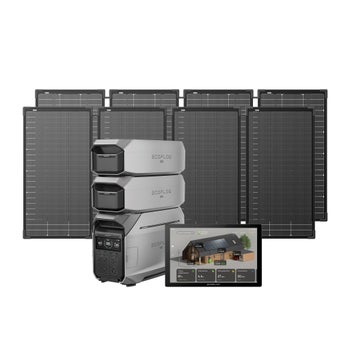
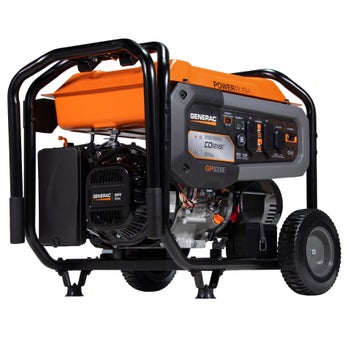
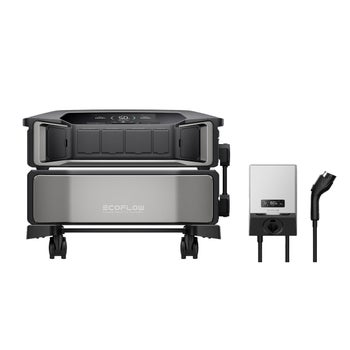
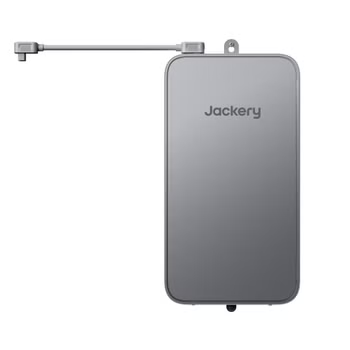
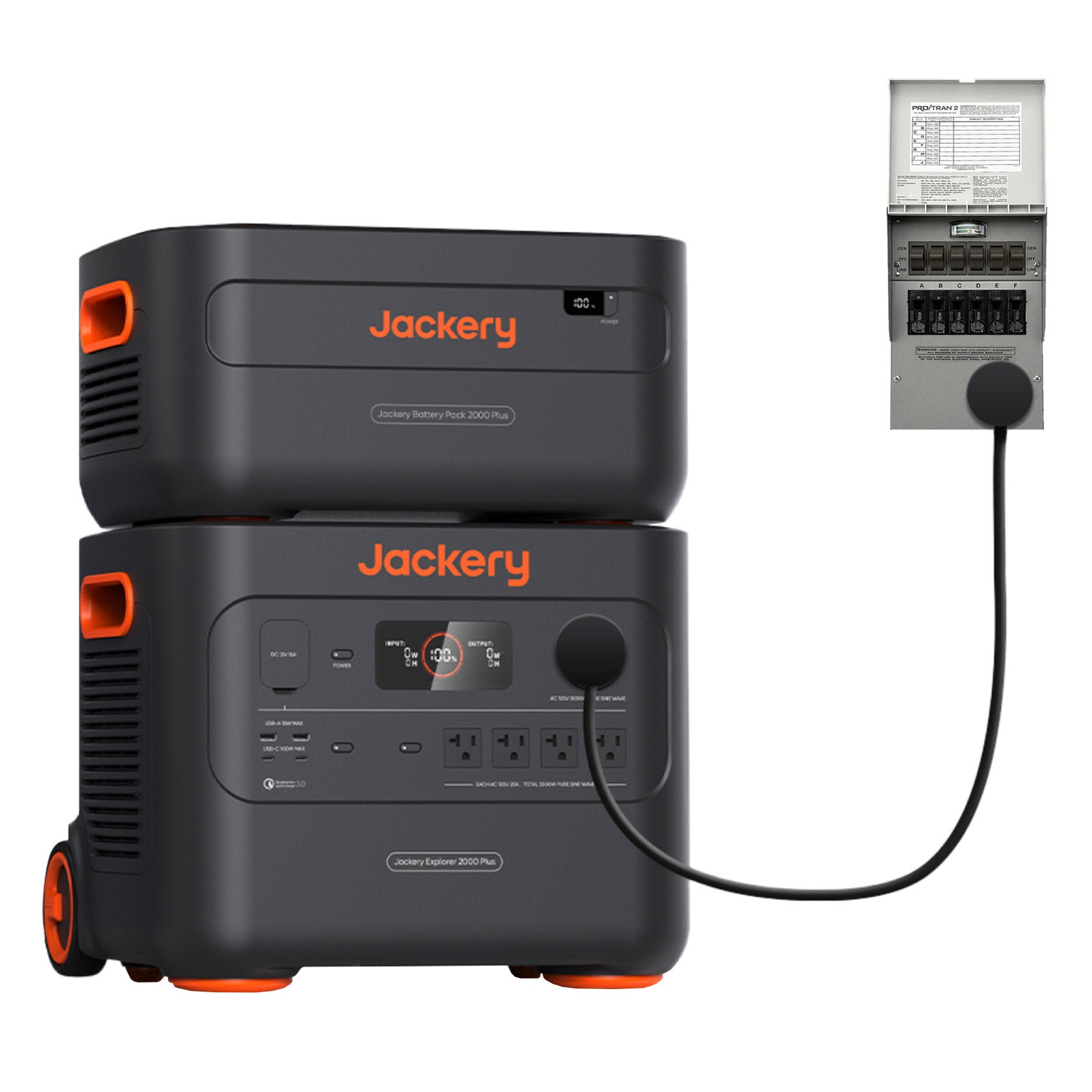
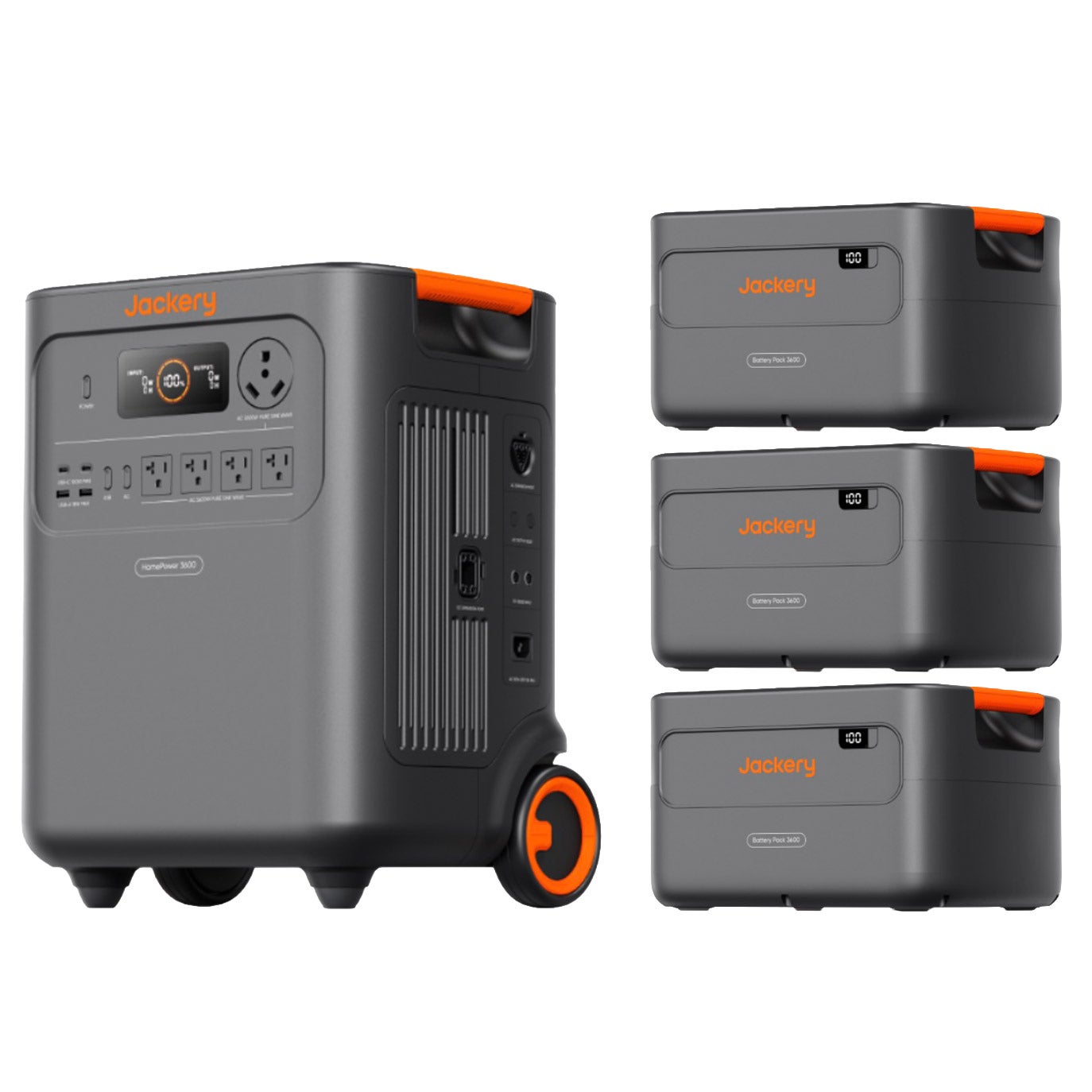
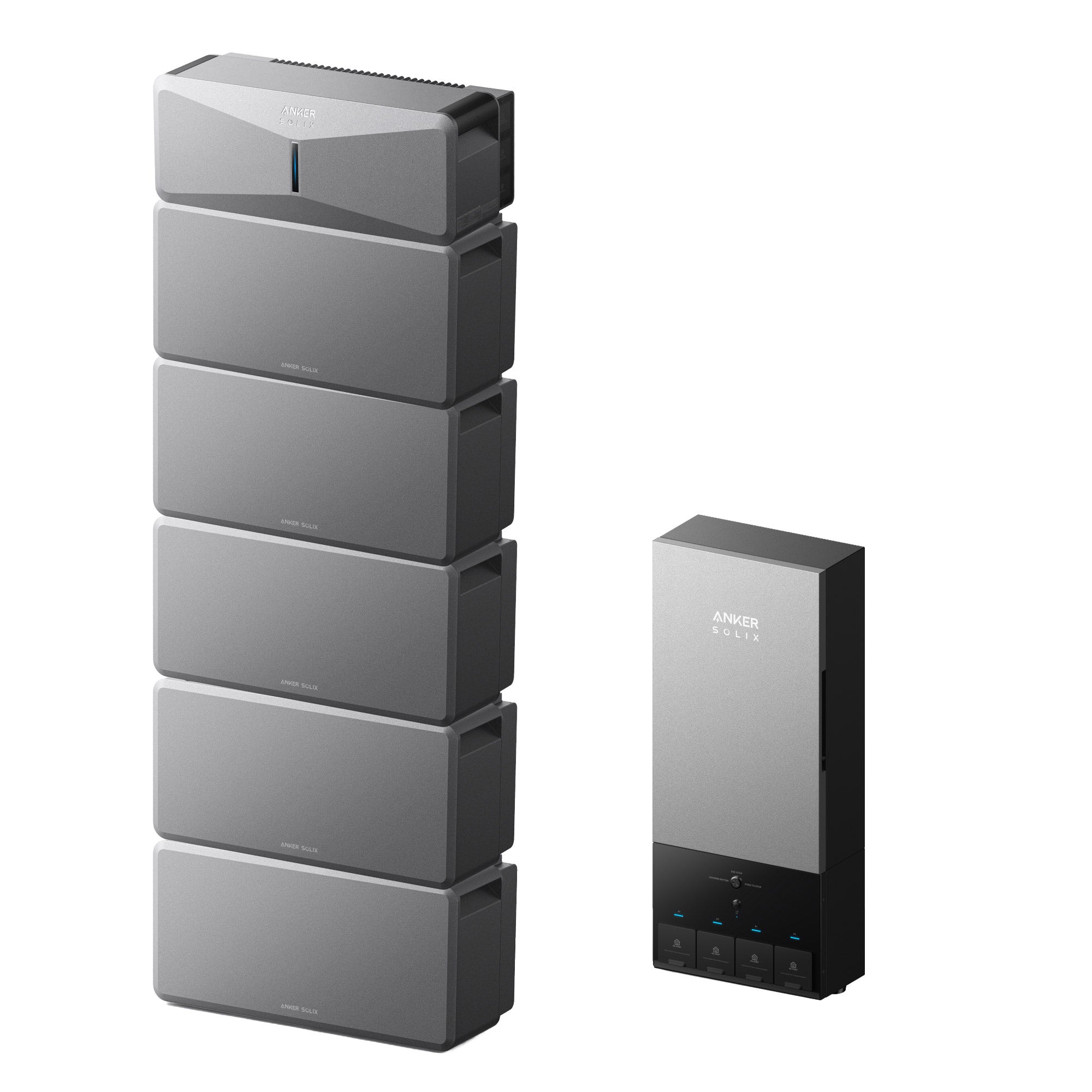


Home Backup Generators
FAQs
-
Standby generators are permanently installed outside a home and connected to its electrical system. Portable generators are movable units that are brought out when needed. The two types differ in installation, fuel connections, and startup controls.
-
Depending on the model, home backup generators may use natural gas, propane, gasoline, or diesel. Standby models commonly connect to a natural gas line or propane tank, while portable models often use gasoline or propane. Dual-fuel models can operate on either of two specified fuels.
-
Automatic startup uses a controller to start the generator when utility power is interrupted. Manual startup requires someone to start the unit, typically with a pull cord, key, or push button. Electric start does not necessarily mean a generator starts automatically.
-
A transfer switch selects whether a home's connected circuits receive electricity from the utility or the generator. Automatic versions change the connection without manual operation, while manual versions require someone to operate the switch. The switch may be included with a generator system or provided separately.
-
Some home backup generators offer Wi-Fi, cellular connectivity, or app-based monitoring. Depending on the model, these features may display operating status, runtime history, and maintenance reminders. Connectivity requirements and any subscription terms vary by manufacturer.