



Generators For Sensitive Electronics
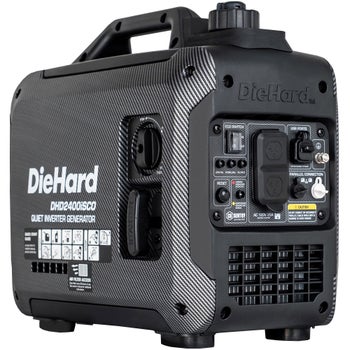
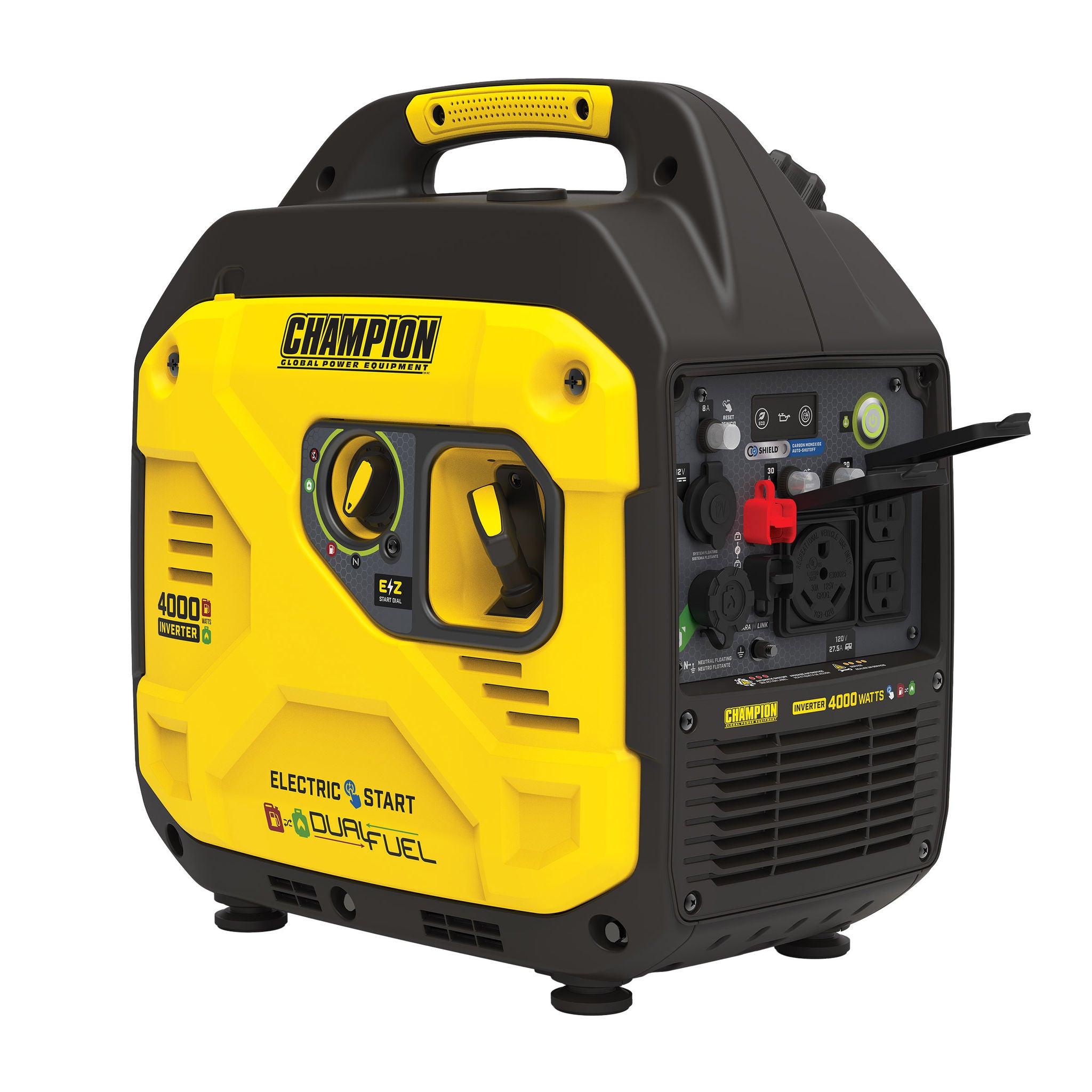
Browse generators for sensitive electronics with your devices’ power requirements in mind. Compare power output, runtime, and power-quality specifications, including total harmonic distortion (THD), to help narrow your options, and check the manufacturer’s guidance for compatibility with the electronics you plan to connect.
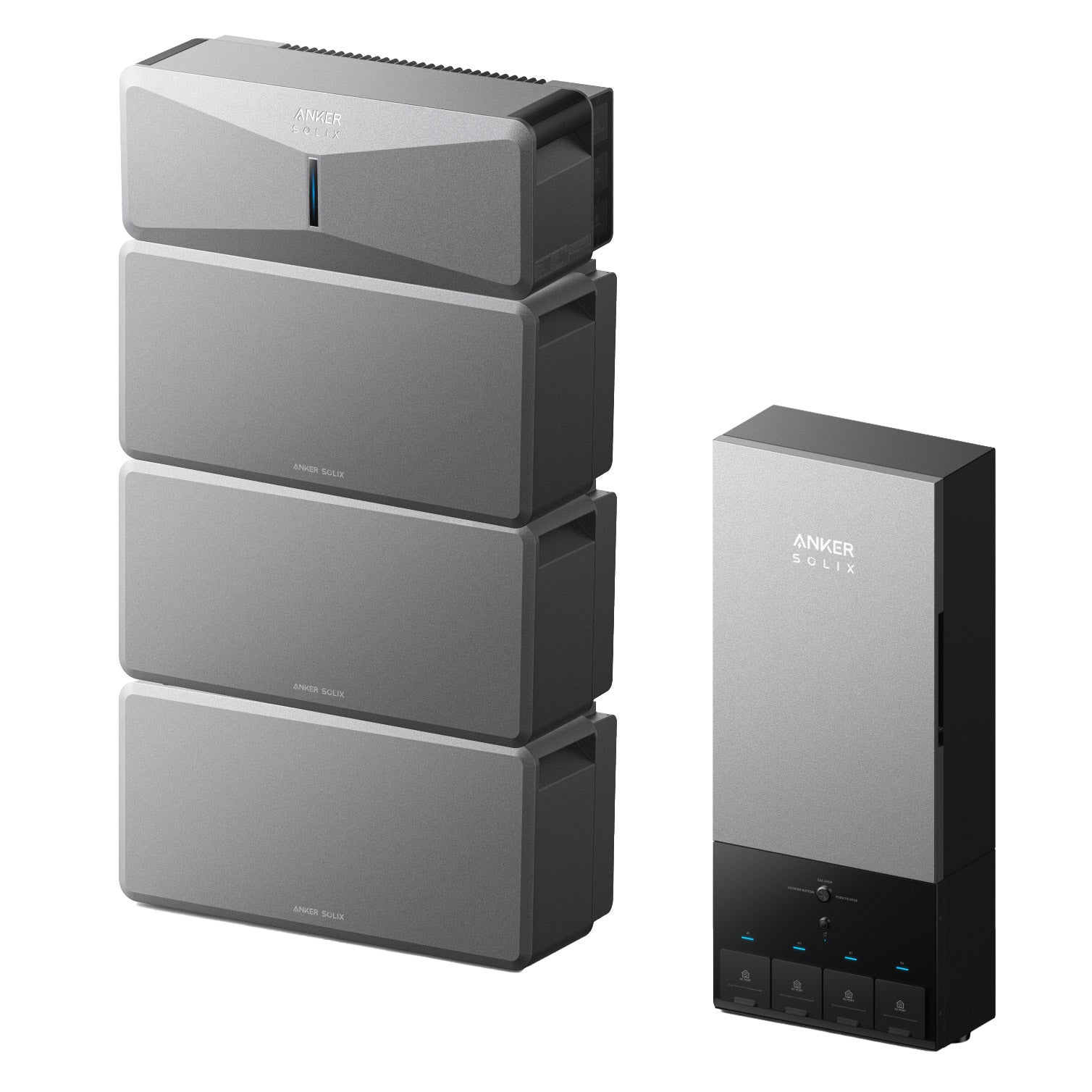


Generators For Sensitive Electronics
FAQs
-
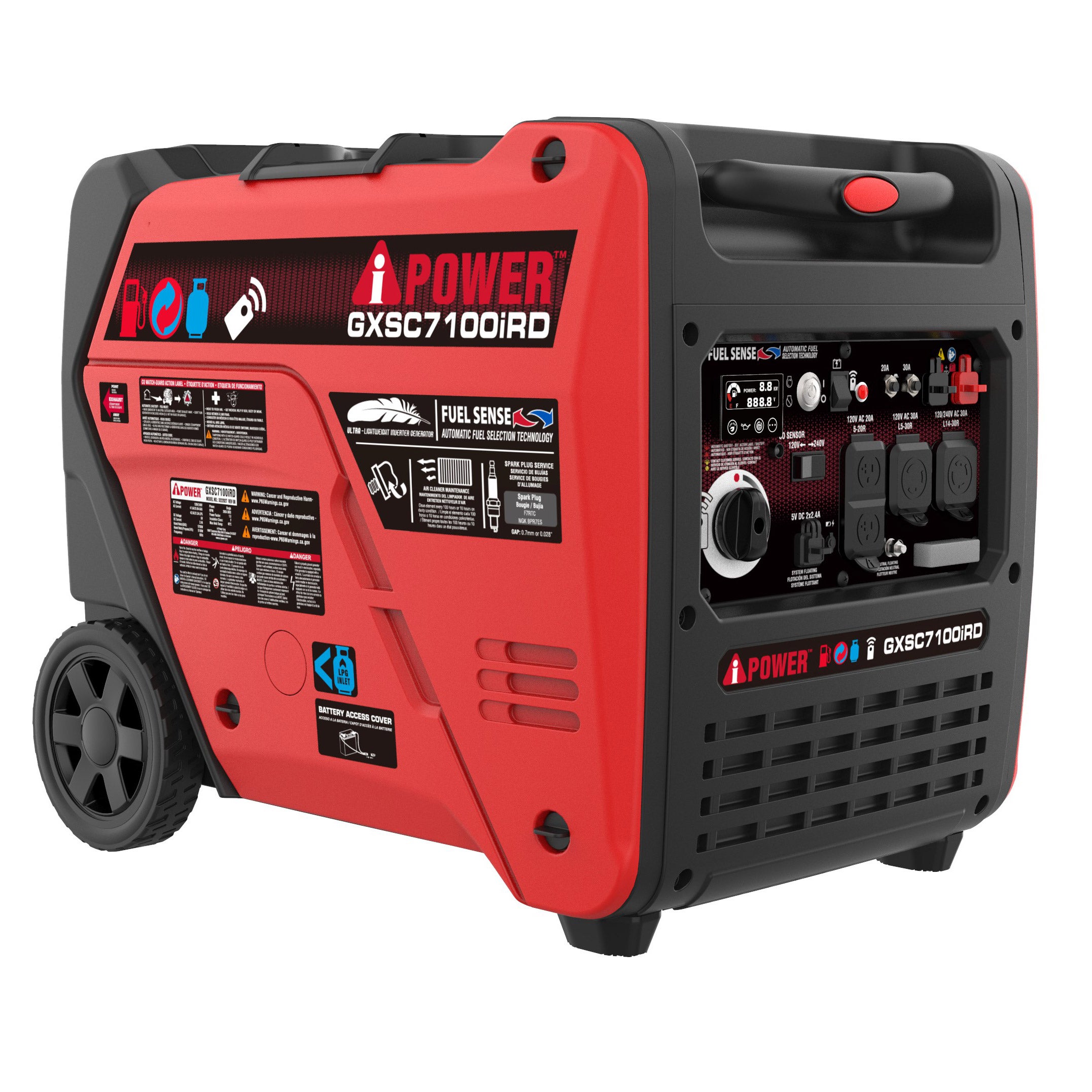
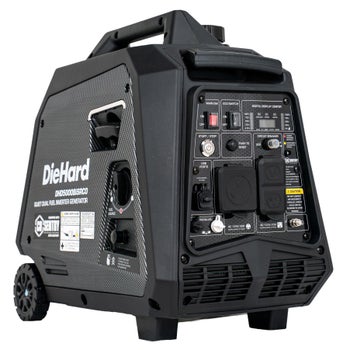
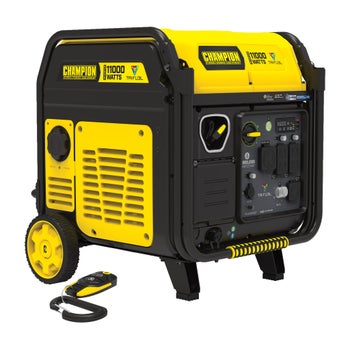
An inverter generator converts the electricity it produces from alternating current (AC) to direct current (DC), then back to AC through electronic circuitry. This conversion process distinguishes it from a conventional generator, which produces AC output directly.
-
Total harmonic distortion, or THD, describes how much an electrical waveform differs from a pure sine wave. It is expressed as a percentage, with a lower number indicating less waveform distortion. Manufacturer specifications may list this detail alongside voltage and frequency.
-
Depending on the model, generators may include standard household AC receptacles, USB ports, or DC outlets. USB connections can vary by connector type and output rating. The manufacturer's documentation identifies the connections included with each model.
-
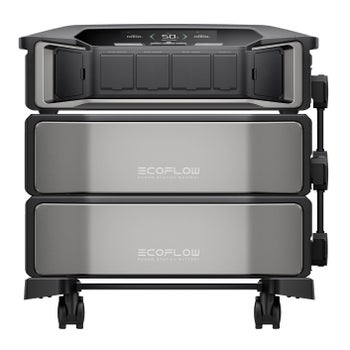
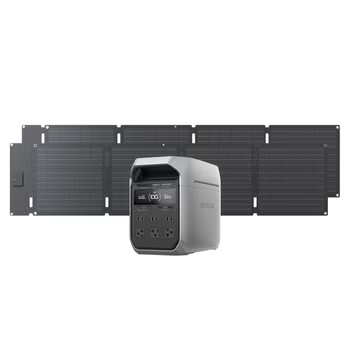
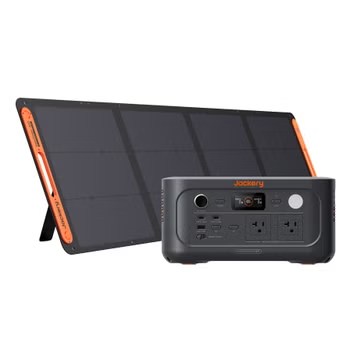
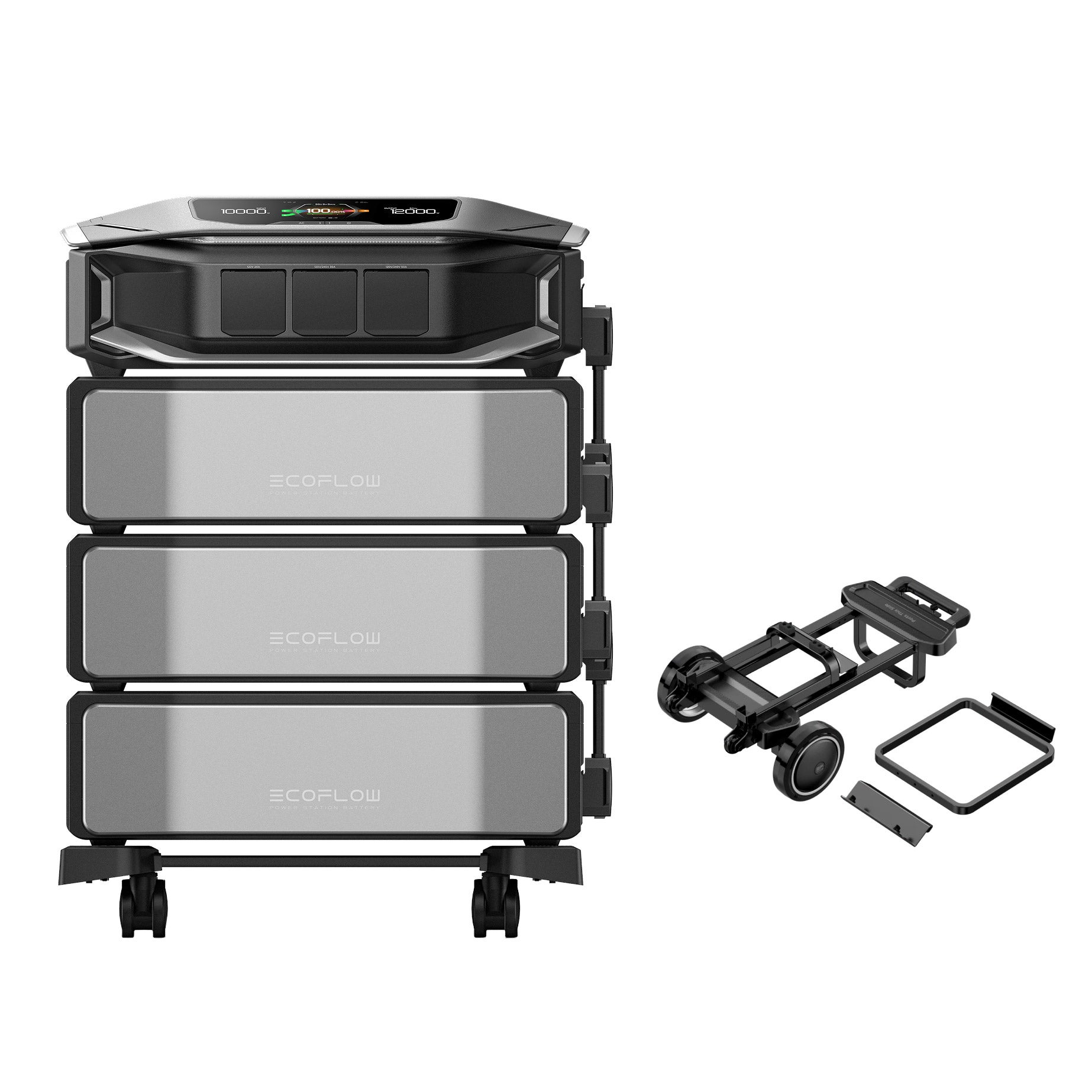
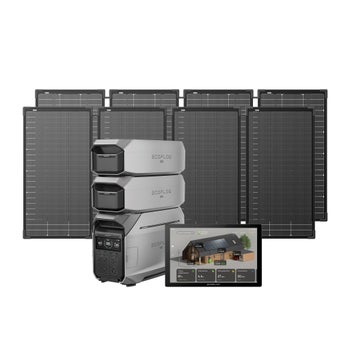
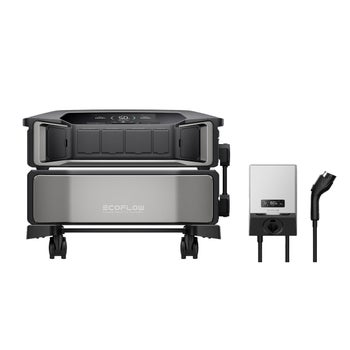
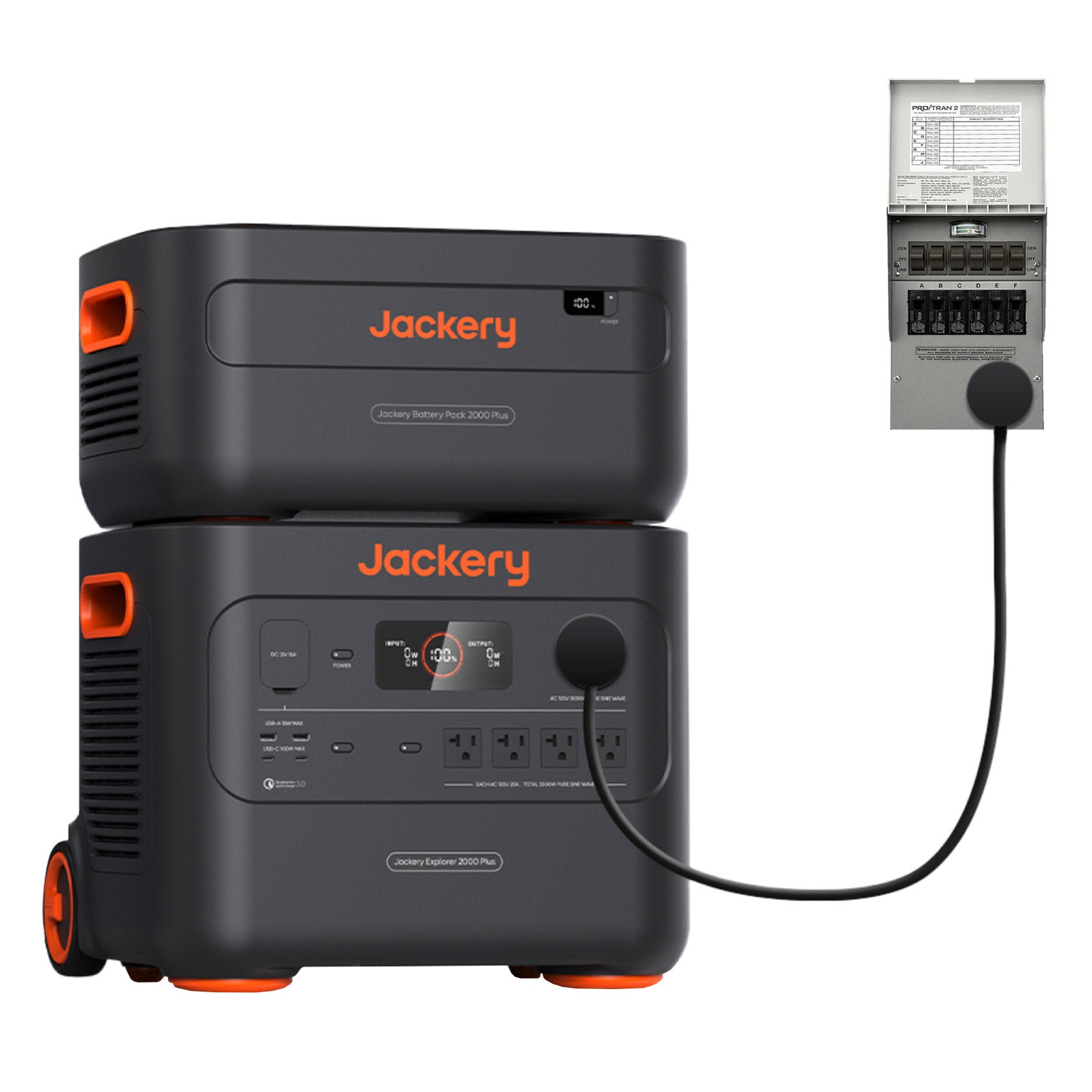
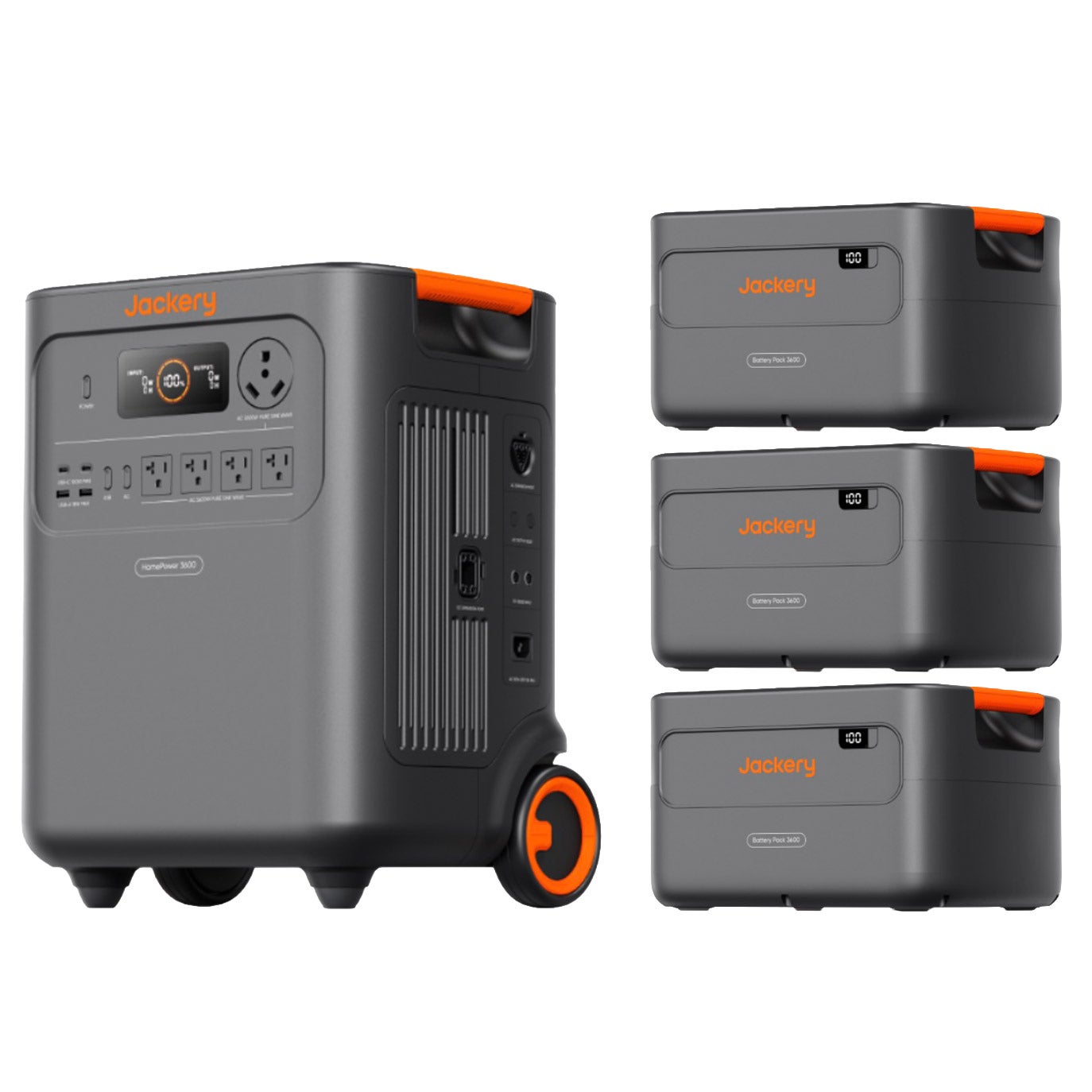
A fuel-powered generator creates electricity by running an engine. A portable power station stores electricity in a rechargeable battery and supplies it through built-in outlets or ports. The term 'solar generator' often refers to a portable power station paired with solar panels.
-
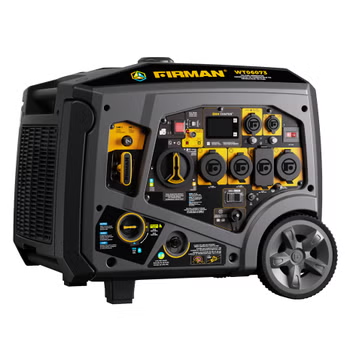
Depending on the model, a generator's display may show operating hours, fuel level, voltage, frequency, or electrical load. Some models use indicator lights instead of a digital screen. These features provide different ways to view operating information.