Doing The Right Thing
Featured Column
From our early days as Price Club to current-day Costco, our company has operated under the guiding principle of “doing the right thing.” But what does this really mean? Often, it means our programs focused on people, animals, and the environment. Explore some examples to see how “doing the right thing” has influenced Costco’s history.
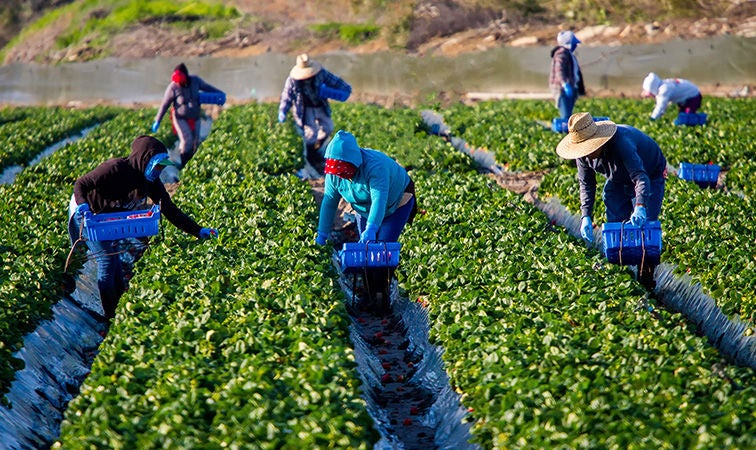
1998: The Costco Supplier Code of Conduct for respecting human rights was formalized with input from Costco buyers who visited farms and factories to observe the working conditions of people in our supply chain. The Code outlines Costco’s expectations for suppliers.
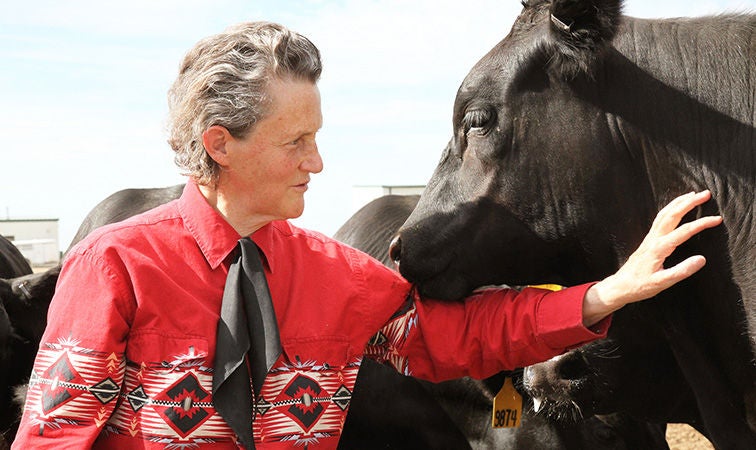
2008: Costco begins a partnership with renowned animal behavior expert Dr. Temple Grandin to assess the welfare of animals in our supply chain using the Five Domains. These emphasize the importance of preventing suffering and providing animals with positive experiences, per Dr. Grandin. (Photo: Rosalie Winard)
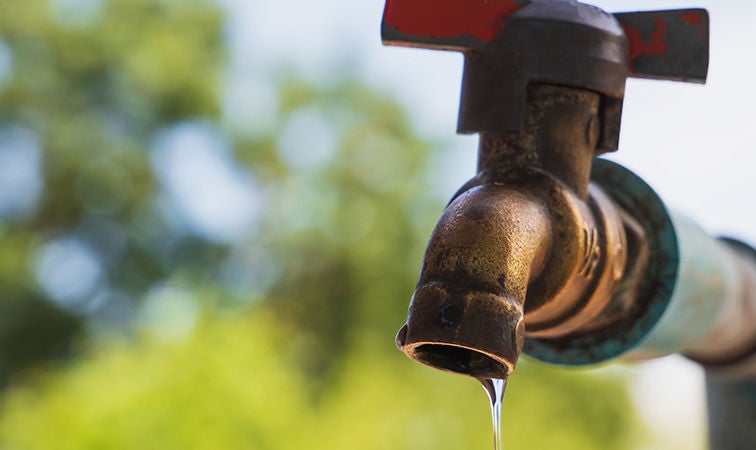
2008: Costco begins formally managing water use in its Mexico facilities. Based on the results, we roll out a comprehensive water management system to monitor for leaks and usage. By 2026, over 98% of all Costco locations globally have systems installed. New locations are online within six months of opening.
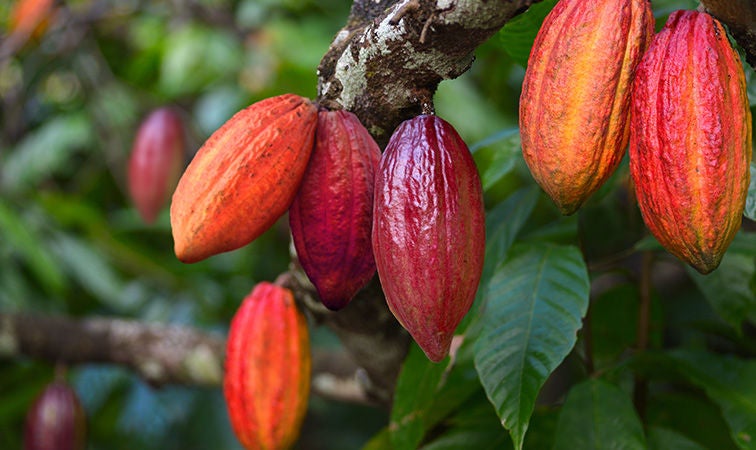
2009: The Sassandra Cocoa Program is established to introduce sustainability practices, promote human rights and practice good forest stewardship in cocoa cooperatives in Côte d’Ivoire. Products such as Kirkland Signature™ Chocolate Almonds use cocoa sourced from Sassandra cooperatives.
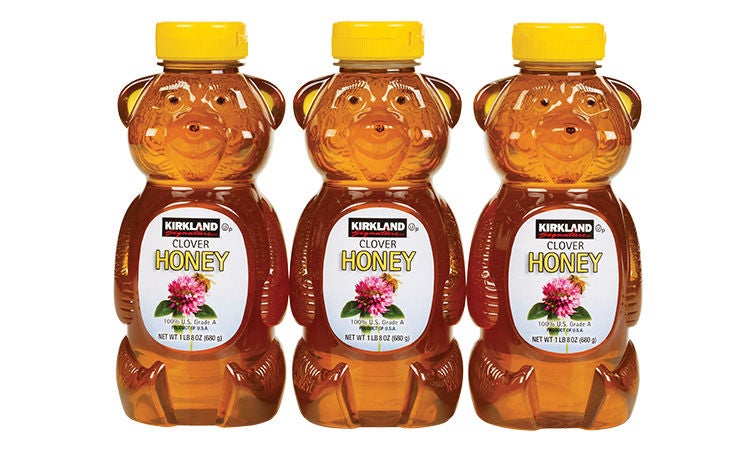
2013: The Kirkland Signature Honey Program is established in partnership with Project Apis m., a nonprofit organization that supports pollinator research and best practices for pollinator health. Costco donates a portion of the sales of Kirkland Signature honey items to PAm for research in the U.S and Canada.
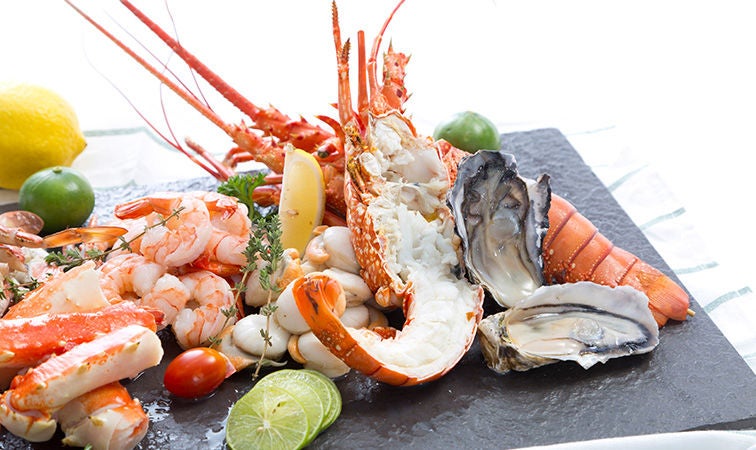
2014: Costco is a founding member of the Seafood Task Force (STF), which has changed the way seafood supply chains are managed in Asia by taking a supply chain approach to social and environmental oversight for higher-risk seafood species.
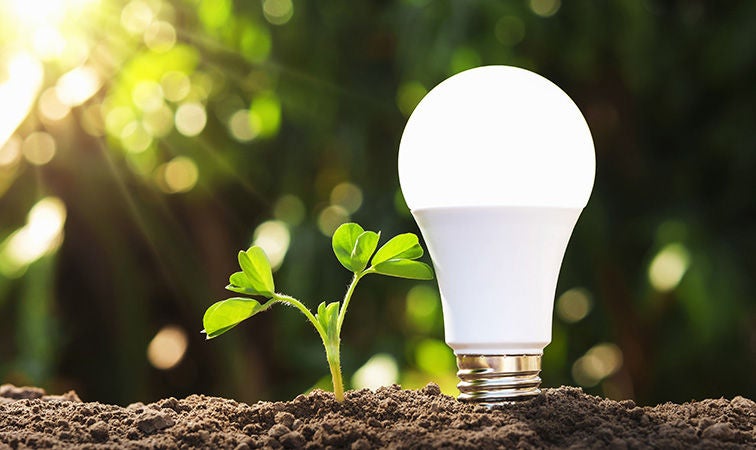
2016: An effort to convert all warehouse lighting from traditional to LED lighting begins, contributing to our goal of reducing energy usage. Costco also increases the use of solar photovoltaic systems on rooftops and in parking lots in select locations, generating clean energy on-site.

2016: Costco’s first global Sustainability Commitment is published as a voluntary disclosure to provide transparency to members, investors, employees, and other stakeholders. The report covers topics including human rights, animal welfare, waste and emissions.
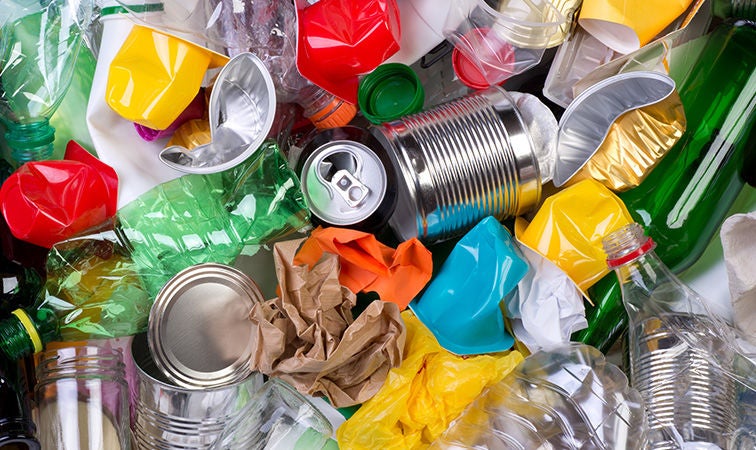
2019: We officially start tracking Costco’s global waste diversion rates and set a goal to divert 80% of our waste from landfills. Some ways we do this include food and non-food donations, reuse, recycling, and composting. As of FY25, Costco diverted 82.8% of our waste globally.
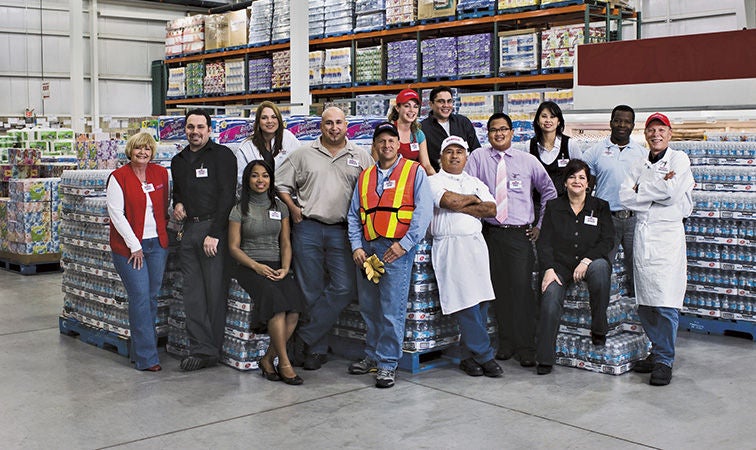
2020: Costco launches the STAR program (Sustainability Technical Assistance Review) to help locations work to implement practices and standards in water and energy use, waste diversion, emissions, and environmental compliance. Warehouses compete to be “5-STAR” locations.
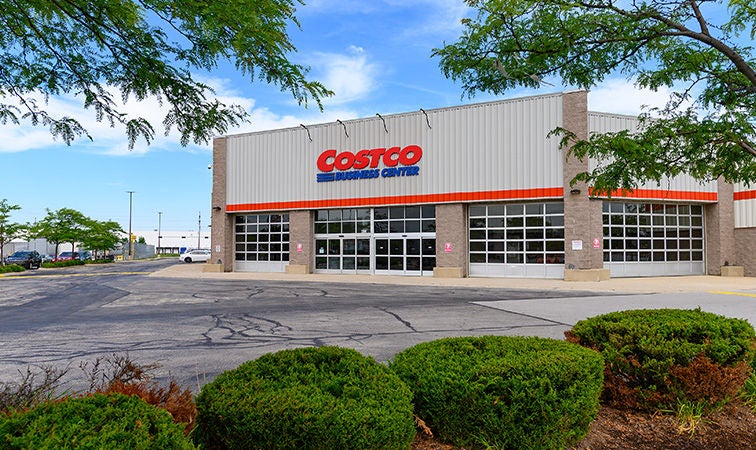
2020: Our Climate Action Plan outlines how Costco will work to mitigate emissions generated by our own operations (Scope 1 and 2) and by activities in our supply chain (Scope 3). The plan evolves over time to include commitments for reducing operational emissions and increasing our percentage of electricity from clean energy.

2023: To strengthen our responsible sourcing, we develop the Six Questions We Ask Suppliers including: Can you map products to origin/source; how are people, animals, and the environment treated; is the best possible packaging used; and what are your emissions and reduction plans?
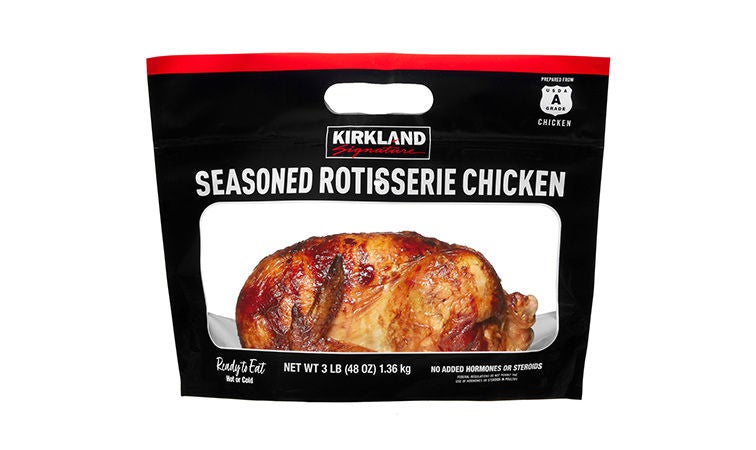
2024: Two major reductions in plastic packaging—switching from rigid plastic trays and jars to plastic bags—for Kirkland Signature rotisserie chicken (first piloted in Canada) and various nut products result in a combined 19.7M pounds of plastic reduced in packaging that year alone.

2025: Costco increases its focus on natural resource stewardship by formalizing a Forests and Land Stewardship Action Plan, naming responsible sourcing strategies for seven high-risk commodities. We also begin development of our Global Water Strategy.
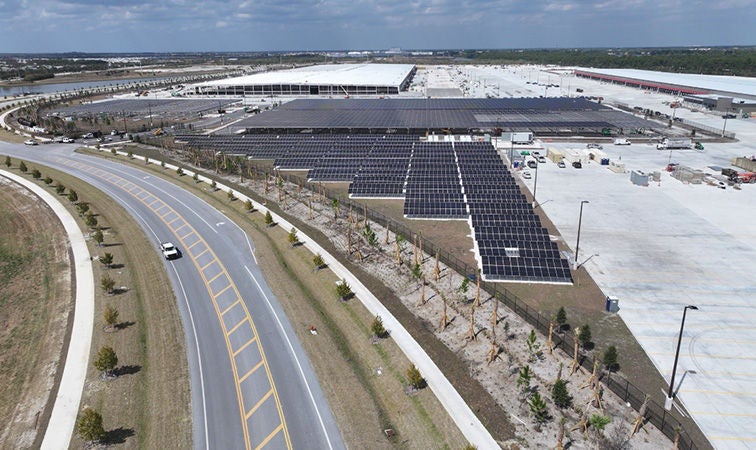
2026: Planning for the future, Costco increases our focus on building business resilience and long-term, healthy supply chains with a focus on responsible agriculture, certified products, water stewardship, and energy resilience, including our first location run 100% on energy from an onsite microgrid.