

Gut check
Addressing weight issues in children through new habits
by DEBBIE L. MILLER
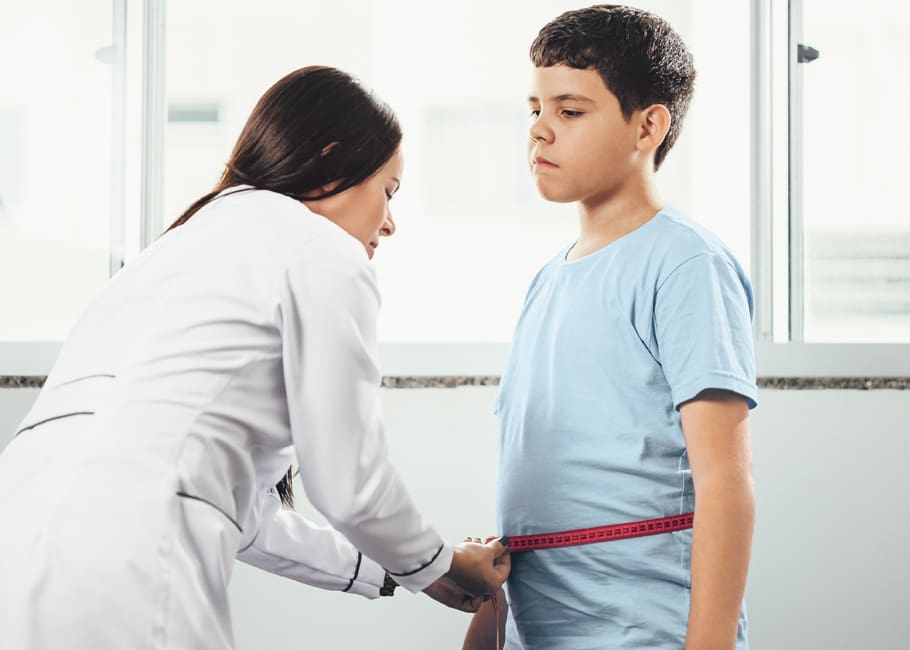
Obesity in children was a documented issue in the United States before the pandemic, and physicians are reporting an increase during the pandemic as well, with studies finding “significant weight gain,” especially in younger children between 5 and 11.
Defining the problem
Obesity is a complex disease, influenced by many things, including biology (genetics, risk for disease development); psychological (mental health of patient and family, emotional support) and social factors, including the environment (sidewalks, parks, green spaces, safety); access to health care; and affordable healthy food options.
Learned behavior plays a role too. Overfeeding or giving a child food as a reward when they cry or are sad or do something well can contribute to obesity. “Limited physical activity, increased sedentary time and poor sleep are also known to influence the development of obesity,” explains Dr. Sharonda Alston Taylor, a pediatrician at Baylor College of Medicine and Texas Children’s Hospital in Houston.
Steps to take
A treatment plan
Taylor says treatment plans provide a road map for making changes (see “What to ask the doctor”). Behavioral changes and developing healthy habits are as important as diet. “Treatment plans are more than the number on the scale, and include strategies for improving day-to-day functioning,” she says.
An effective treatment need not be complex. “Several simple changes incorporated over time will help most families,” Taylor says. These changes may include limiting calorie-containing beverages, limiting the second or third helping of food to vegetables only or getting more physical activity.
“A treatment plan driven by the family with small, specific, measurable, attainable, realistic and timely goals is critical,” Prout adds. If you, your child and the rest of the family drive the goals, everyone is more likely to stay motivated.
Get involved
Ask your doctor for help with specific goals and behaviors.
“Eat less and exercise more is not a specific plan,” Taylor says. “If your child ‘hates vegetables,’ a goal can be trying two new vegetables per week for four weeks or trying one new vegetable three different ways in the next two weeks. New habits take several months to develop, but reassessing progress every few weeks builds momentum.”.
Prout suggests parents examine the child’s social environments to see if there are areas in eating, exercise, screen time or sleep that can be modified. Work on developing a regular sleep schedule for your child without screens, and make time for daily active play for younger children and weekly exercise as a family.
“Obesity management is a marathon,” Taylor cautions. “It can take months to establish new habits. Focus on building healthy habits that can be maintained and praise those efforts.”